We'll tailor buying guides and product links to your country. You can change this anytime from the top bar.
Diagnostics & Testing · Buying guide
Best Blood Glucose Monitors for Home Testing in 2026
A finger-prick meter kit and two continuous glucose sensors compared on how they take a reading, what they cost to run and who each one is intended for — to help you choose the right method.
Home glucose monitoring splits into two methods, and the choice between them matters more than the choice of brand. A finger-prick meter reads a drop of blood on a disposable test strip and gives one number at one moment. A continuous glucose monitor (CGM) is a small sensor worn on the arm that reads glucose in the fluid under the skin every few minutes and sends the readings to a phone, showing the direction a level is moving in as well as the number.
Distributing Care compared the two methods on how a reading is taken, what each one needs to keep running, and who the manufacturer intends it for. The shortlist below comes from Amazon UK’s Best Sellers in Blood Glucose Monitors, and the three picks are deliberately one meter kit and two sensors rather than three near-identical meters. Neither method diagnoses diabetes — that is a blood test arranged by a GP.
How we tested & chose
Distributing Care built this shortlist from Amazon UK’s Best Sellers in Blood Glucose Monitors, taking the top ten by units sold and keeping only complete monitoring systems — refill test strips and lancet packs were excluded because they are consumables rather than devices. Each listing was checked for the measurement unit used, what is supplied in the box, and what the manufacturer states the product is intended for. Clinical thresholds and targets were checked against NHS guidance and NICE guideline NG17 on type 1 diabetes in adults.
What we weighed
Measurement method: finger-prick strip or worn sensorReadings in mmol/L, the unit used in the UKConsumables needed and whether strips are meter-specificWho the manufacturer states the device is intended for
None of these devices diagnoses diabetes, and none replaces the advice of a diabetes team. Diabetes is diagnosed by a GP, usually with an HbA1c blood test. If you already manage diabetes, agree any change of meter, sensor or testing routine with your diabetes team first, because your targets and the way you act on a reading are set by them. Seek urgent medical advice for symptoms of very high or very low blood sugar.
The picks, reviewed
No products have been added for United States yet.
Best Overall9.4/ 10 · Care Score
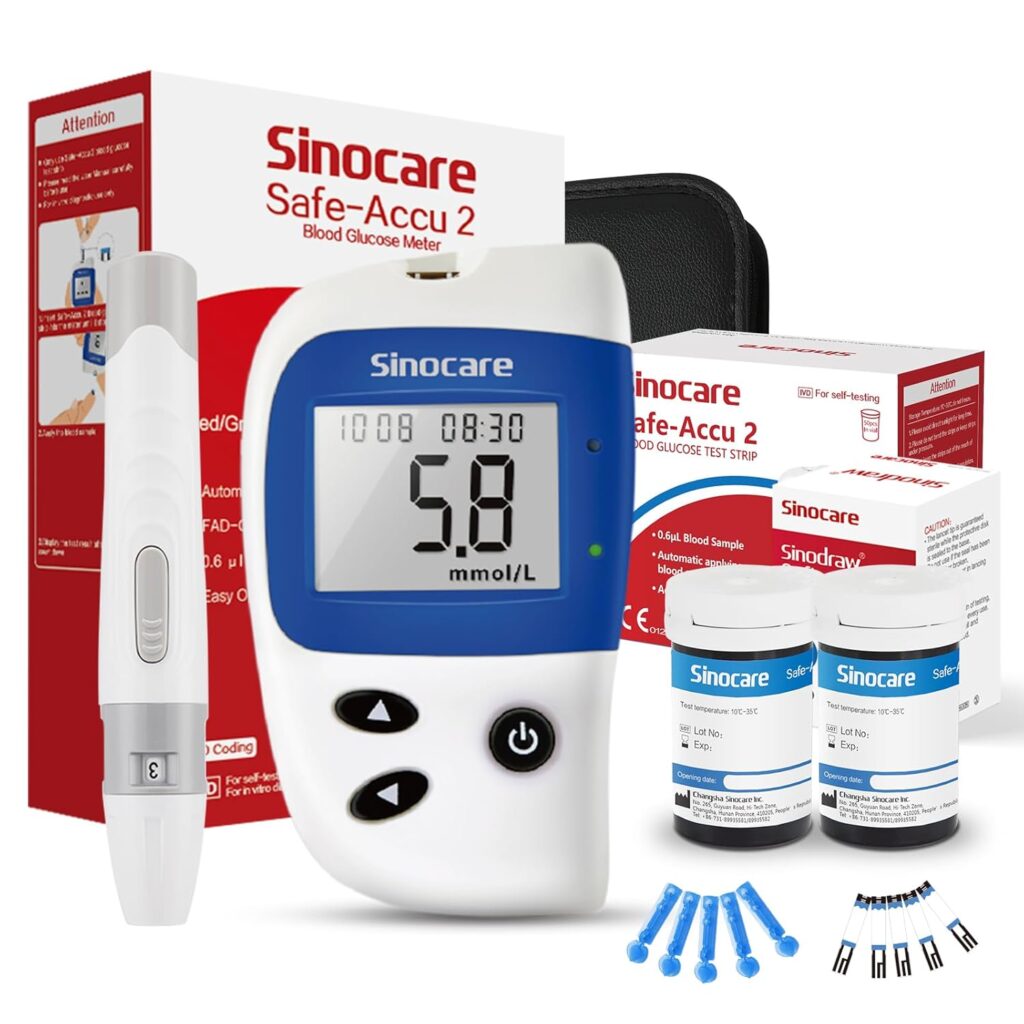
sinocare Blood Glucose Meter/Blood Sugar Monitor Safe-Accu2 /Blood Sugar Test Kit with Test Strips x 50 & Case for UK Diabetics -in mmol/L
Rank 1 best seller in the category: a complete finger-prick kit that reads in mmol/L, the unit used across the UK.
Reads in mmol/L, so no conversion from the US mg/dL scale
Arrives as a complete kit rather than a meter alone
Cons
Strips are specific to this meter and are an ongoing cost
Gives a single reading at a single moment, with no trend information
Best for Continuous Monitoring9.2/ 10 · Care Score
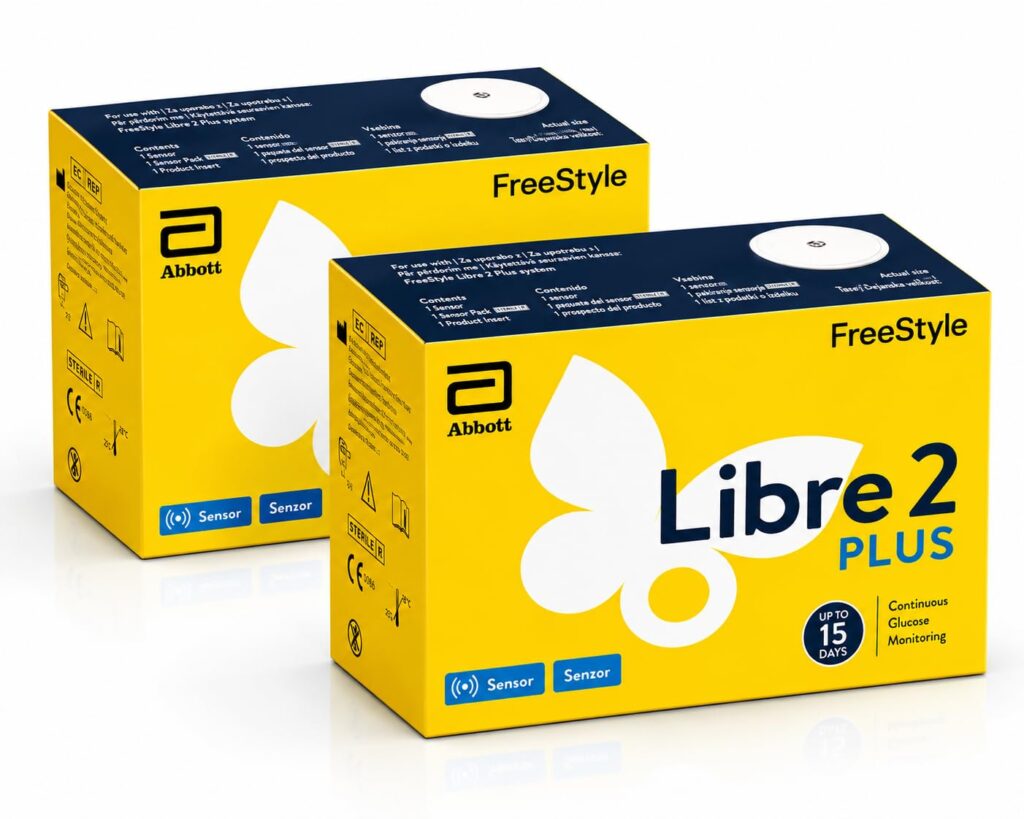
FreeStyle Libre 2 Plus Sensor | Continuous Glucose Monitoring (CGM) Sensor | Real-Time Glucose Readings | Up to 15 Days Wear | Compatible with FreeStyle Libre 2 Plus System
Rank 2 best seller: a worn sensor giving real-time readings and trend direction across up to 15 days, with no routine finger pricks.
Shows how individual meals and activity affect glucose through the day
Made by Abbott, the manufacturer behind the FreeStyle Libre system
Cons
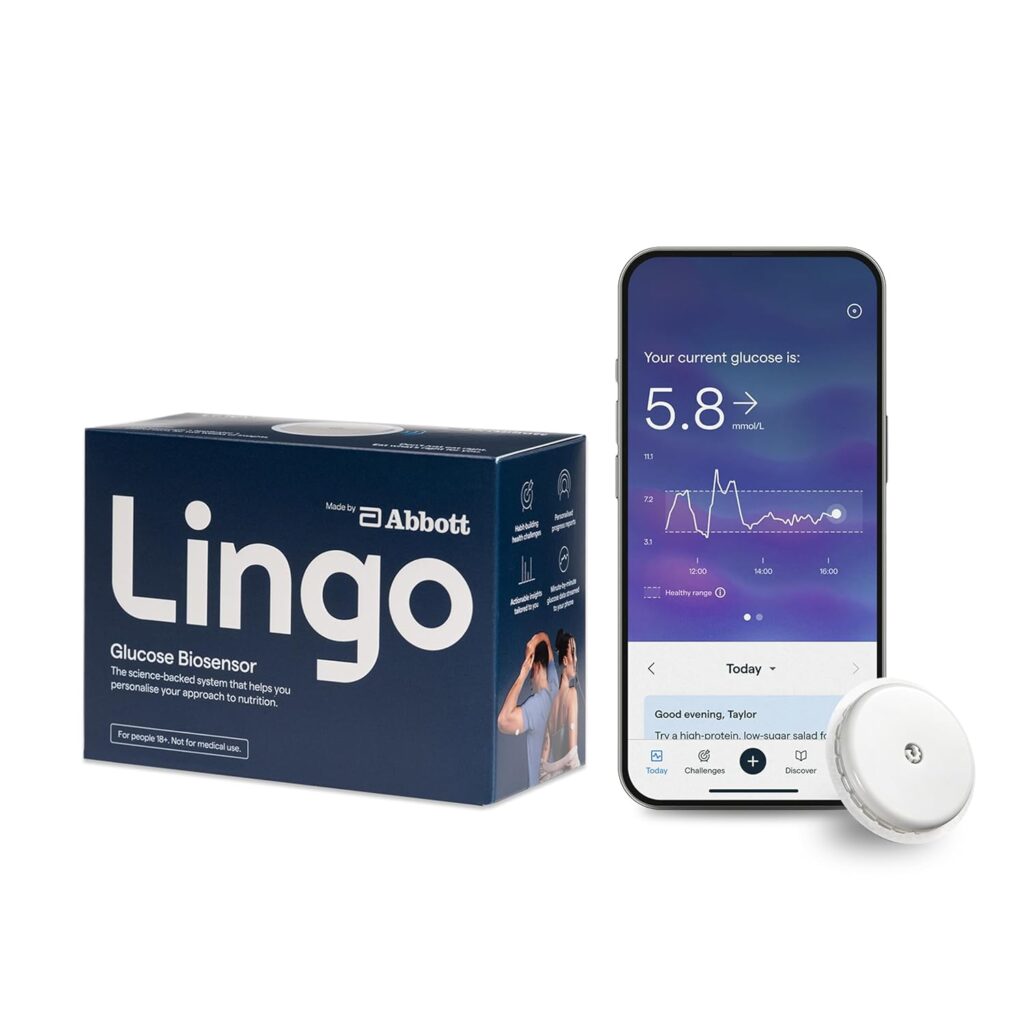
Sold as a wellness and habit-tracking product rather than a diabetes management device
Anyone managing diabetes should agree the right sensor with their diabetes team instead
No products have been added for United Arab Emirates yet.
Frequently asked questions
Quick answers to what readers ask most about home blood glucose monitoring.
Can a home blood glucose monitor diagnose diabetes?
No. A home monitor tracks glucose over time; it does not diagnose. Diabetes is diagnosed by a GP, usually with an HbA1c blood test taken at a surgery or clinic, which reflects average glucose over the previous two to three months rather than a single moment. An HbA1c of 48 mmol/mol (6.5%) or above indicates diabetes, and 42 to 47 mmol/mol indicates a raised risk. If home readings concern you, take them to your GP as a reason to be tested properly, not as a result in themselves.
What blood glucose numbers should I be aiming for?
Targets are set individually by your diabetes team, so the published figures are a reference point rather than a personal goal. For context, NICE guideline NG17 advises adults with type 1 diabetes to aim for a fasting plasma glucose of 5 to 7 mmol/L on waking, and 4 to 7 mmol/L before meals at other times of the day. Targets differ for type 2 diabetes, in pregnancy, and for older or frail people, which is exactly why they should come from a clinician who knows your history.
Do test strips work in any meter?
No — test strips are specific to the meter they were designed for, and this is the single biggest running-cost trap when buying a monitor. A meter is often the cheaper part of the system; the strips are bought again and again for as long as you use it. Before committing to a meter, check that its strips are readily available in the UK and look at the pack sizes on offer. Check the expiry date on every pot too, because expired strips can read inaccurately.
What is the difference between a finger-prick meter and a CGM?
A finger-prick meter measures glucose in a drop of blood and gives a single reading at that moment; a continuous glucose monitor is a sensor worn on the arm that measures glucose in the fluid between cells and updates automatically through the day. The practical difference is trend information: a CGM shows whether a level is rising or falling, which a one-off reading cannot. Sensor readings lag behind blood readings slightly, particularly when glucose is changing quickly, so a finger-prick check is still used to confirm a reading in some situations.
Can I get a continuous glucose monitor on the NHS?
Possibly — it depends on your diagnosis, and it is a conversation to have with your diabetes team rather than a purchase to make first. NICE guideline NG17 recommends offering continuous glucose monitoring to adults with type 1 diabetes, and there are separate criteria covering some people with type 2 diabetes and pregnancy. Buying a sensor privately does not affect your eligibility, but it is worth asking before you commit to an ongoing cost.
Some links above are affiliate links. As an Amazon Associate we earn from qualifying purchases, at no extra cost to you. Links go to Amazon.com. Prices are illustrative — check the current price before buying.
Medical disclaimer. This guide is for general information only and is not medical advice. It is not intended to diagnose, treat, cure or prevent any condition. Always speak to a qualified healthcare professional before starting any new product, especially if you have an existing condition or take medication.