We'll tailor buying guides and product links to your country. You can change this anytime from the top bar.
Wound & Surgical Care · Buying guide
Best Wound Dressings and Plasters for Everyday Care in 2026
A fabric plaster, a gauze swab and a self-adhesive surgical dressing compared on absorbency, adhesion, sterility and pack size — so you can stock the right one for the wound in front of you.
Choosing a wound dressing comes down to three questions: how much fluid the wound produces, whether the dressing has to stay put on a joint that keeps moving, and whether the site needs to arrive sterile. A fabric plaster, a gauze swab and a self-adhesive surgical dressing each answer a different one of those, which is why a first aid cupboard stocked with only one of them always has a gap in it. Distributing Care assembled this shortlist so that all three bases are covered.
The three products below are drawn from Amazon UK’s Best Sellers ranking in Plasters & Dressing Supplies, and are compared on absorbency, adhesion, sterile or non-sterile supply, and pack size. They span everyday cuts and grazes, wound cleaning and skin preparation, and post-operative cover.
How we tested & chose
Distributing Care built this shortlist from Amazon UK’s Best Sellers ranking in Plasters & Dressing Supplies, read on 29 August 2026, then checked every listing individually for dressing type, dimensions, pack size and whether the product is supplied sterile. Specifications quoted below are taken from the manufacturer’s own listing rather than from our own laboratory testing, and we have said so plainly rather than implying a bench test we did not run.
What we weighed
Absorbency and fluid handlingAdhesion on joints and damp skinSterile or non-sterile supplyPack size for routine restocking
Best Sellers positions were read on 29 August 2026 and change daily. Wound care products do not replace clinical assessment: if a wound is deep, will not stop bleeding, has something embedded in it or shows signs of infection, contact a GP, a pharmacist or NHS 111.
The picks, reviewed
No products have been added for United States yet.
Best Overall9.4/ 10 · Care Score
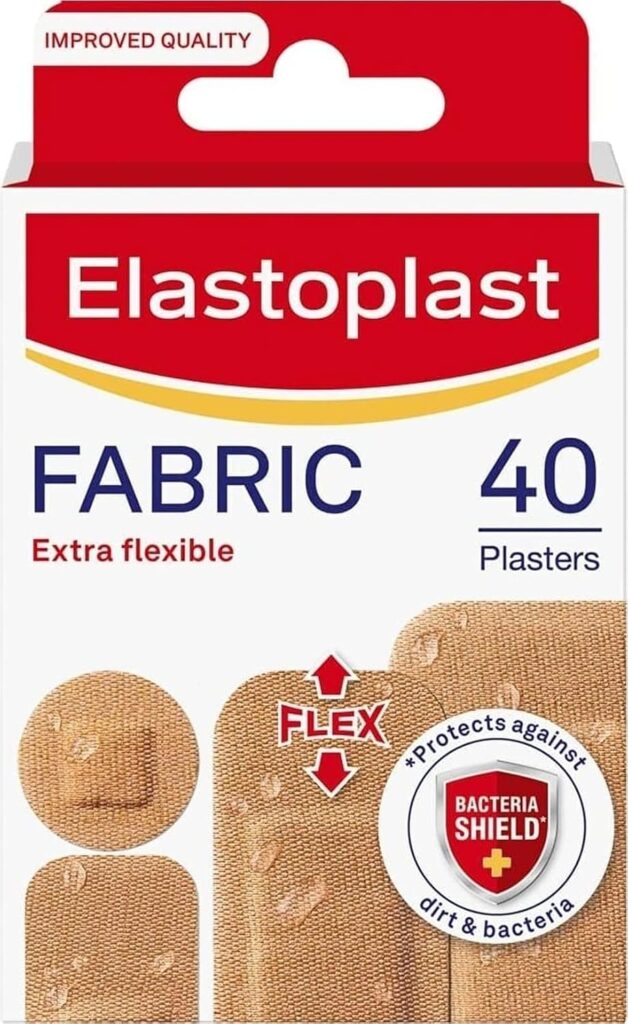
Elastoplast Extra Flexible Fabric Plaster Strips (40 Pieces), Extra Flexible Fabric, Breathable, Large Plasters, Water-Repellent, Strong Adhesion, Tan
Rank 1 best seller: flexible fabric strips that stay put on knuckles and other awkward joints.
Rank 1 best seller in Plasters & Dressing Supplies
Extra-flexible fabric moves with the joint
Water-repellent yet breathable
Cons
Strips must be cut to length by hand
Supplied clean, not sterile
Best for Cleaning and Absorbency9.2/ 10 · Care Score
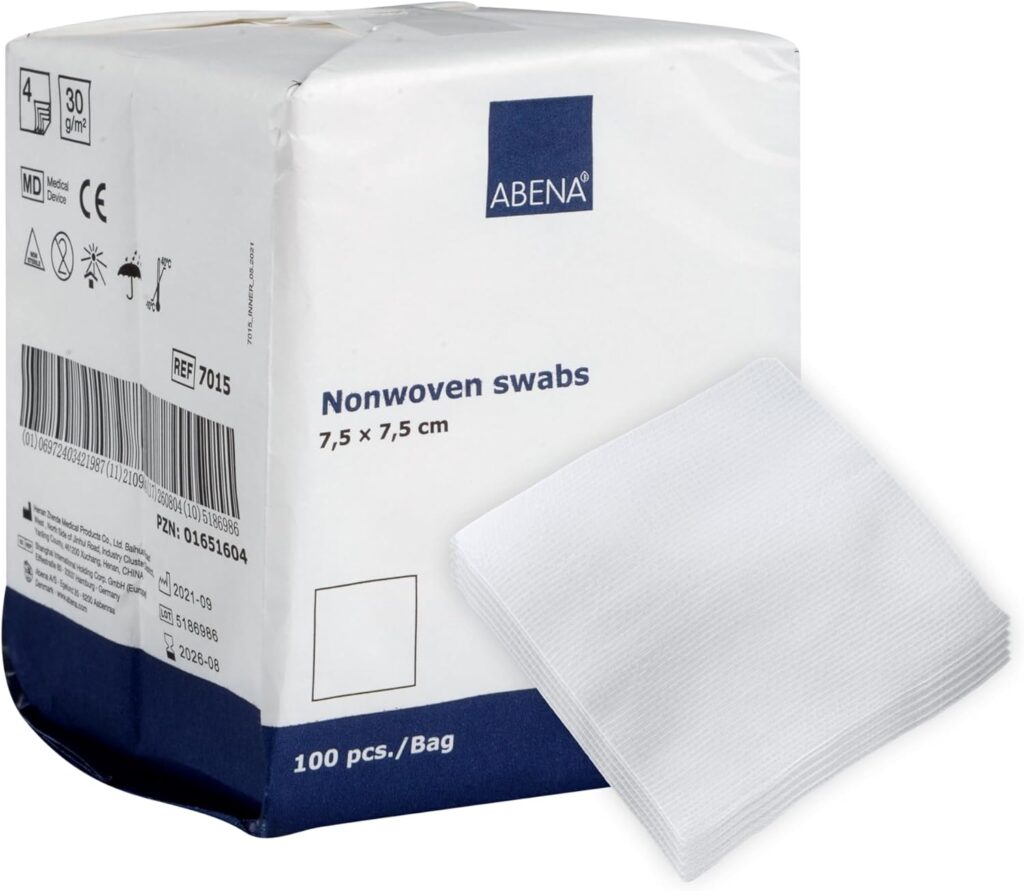
ABENA Gauze Pads, 7.5x7.5cm, Pack of 100, Non-Sterile, Soft Absorbent Swabs for Injury Dressing, Skin Preparation & First Aid Use, Lint-Free Dressings for Wounds
Rank 5 best seller: lint-free absorbent swabs in a 100-pack, for cleaning and skin preparation.
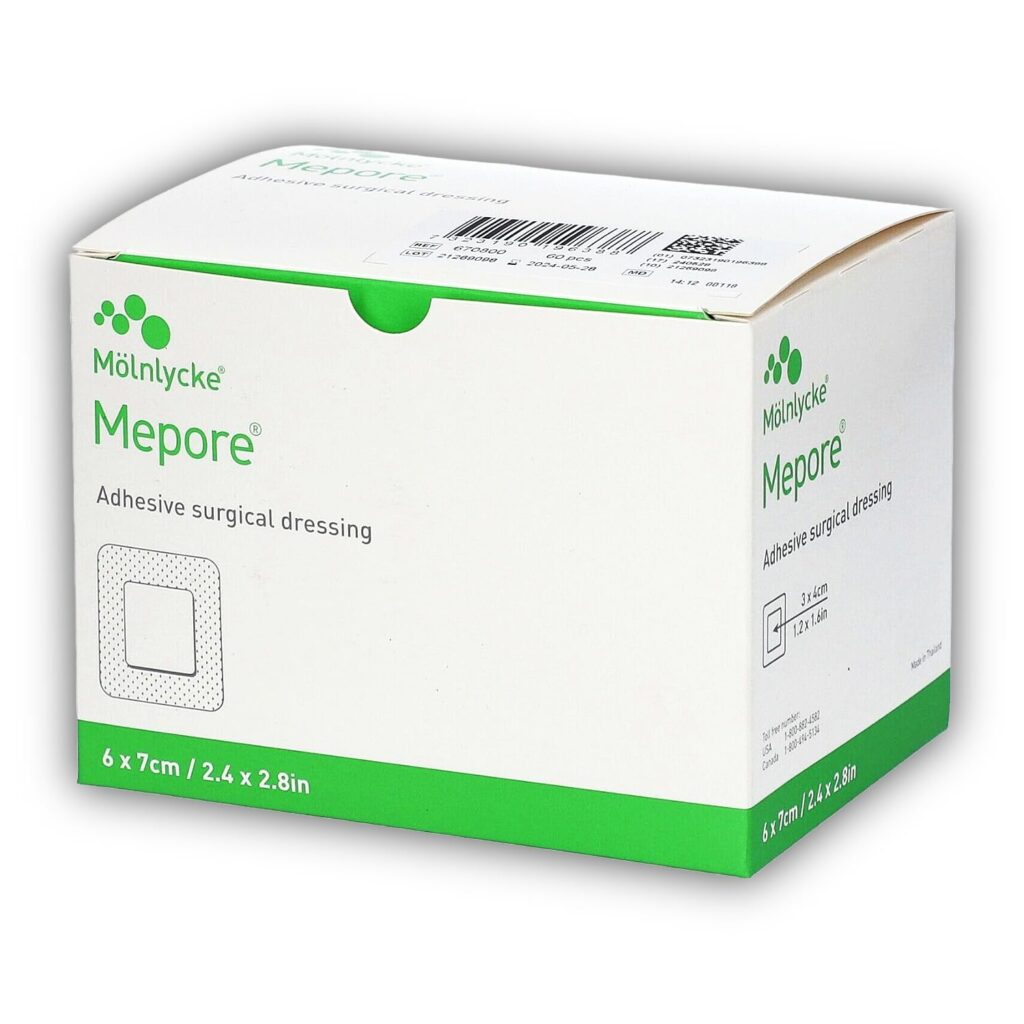
Rank 9 best seller and the only clinical-format dressing in the top ten
All-in-one pad and adhesive border, no separate tape
Box of 60 for repeat dressing changes
Cons
One fixed size only, so larger wounds need a different code
Adhesive border can lift on very damp skin
No products have been added for United Arab Emirates yet.
Frequently asked questions
Quick answers to what readers ask most about wound dressings and plasters.
How often should a wound dressing be changed?
A dressing should be changed when it becomes wet, soiled or loose, or when fluid from the wound has soaked through to the outside of the pad. Beyond that, follow the interval printed on the pack or given by the clinician who applied it, because a dressing left undisturbed generally allows a wound to heal more comfortably than one lifted repeatedly to inspect it.
What is the difference between a plaster and a sterile dressing?
A plaster is a small adhesive strip with an integrated pad, intended for minor cuts and grazes, while a sterile dressing is a larger absorbent pad supplied in sealed packaging that has been sterilised, intended for wounds where contamination matters. Plasters are typically supplied clean rather than sterile, so for a surgical site or a wound that has been closed by a clinician, a product labelled sterile is the correct choice.
Are non-sterile gauze swabs safe to use on an open wound?
Non-sterile gauze is intended for skin preparation, cleaning around a wound and general first aid use, not for direct packing of an open or surgical wound. Where a swab will touch broken skin in a clinical setting, a sterile product should be used instead. Read the pack, because manufacturers label sterile and non-sterile versions of the same swab separately.
Do wound dressings need to be waterproof?
Waterproof or water-repellent dressings are useful where the site will get wet, such as hands during washing up or a wound covered during a shower, but they are not universally better. A breathable fabric dressing allows moisture vapour to escape and is often more comfortable on a joint or over several days. Match the property to the situation rather than treating waterproof as the premium option.
When should a wound be seen by a healthcare professional?
Seek advice if bleeding does not stop after ten minutes of firm pressure, if the wound is deep or gaping, if there is something embedded in it, if it was caused by a bite or a dirty object, or if it shows spreading redness, swelling, heat or discharge. In the UK, NHS 111 can advise out of hours, and anyone whose tetanus cover is not up to date should mention that when they call.
Some links above are affiliate links. As an Amazon Associate we earn from qualifying purchases, at no extra cost to you. Links go to Amazon.com. Prices are illustrative — check the current price before buying.
Medical disclaimer. This guide is for general information only and is not medical advice. It is not intended to diagnose, treat, cure or prevent any condition. Always speak to a qualified healthcare professional before starting any new product, especially if you have an existing condition or take medication.