We'll tailor buying guides and product links to your country. You can change this anytime from the top bar.
Sleep Health · Buying guide
Best Mattresses for Deeper, More Restful Nights in 2026
Three of Amazon UK's best-selling memory foam and spring mattresses compared on construction, depth, feel and size, to help you choose a bed that suits how you sleep.
The best mattress for you depends on your sleep position, body weight and bed size, not on the biggest discount. Side sleepers usually want more cushioning at the shoulder and hip, while back and front sleepers usually want firmer support.
Distributing Care compared three of Amazon UK’s best-selling mattresses on construction, depth, feel and size. Our picks are below, followed by answers to the questions buyers ask most.
How we tested & chose
Our shortlist came from the top 10 of Amazon UK’s Best Sellers list for Mattresses, so every pick is one UK buyers are already choosing. Distributing Care compared them on the construction, depth, feel and sizing each manufacturer lists.
What we weighed
Construction: foam, springs and zonesDepth and supportFeel for your sleep positionUK size options
Distributing Care does not accept payment for placement. Mattress feel is personal, so check the seller’s returns policy before you buy. If you have back pain, a GP or physiotherapist can advise on the support you need.
The picks, reviewed
No products have been added for United States yet.
Best Overall9.3/ 10 · Care Score
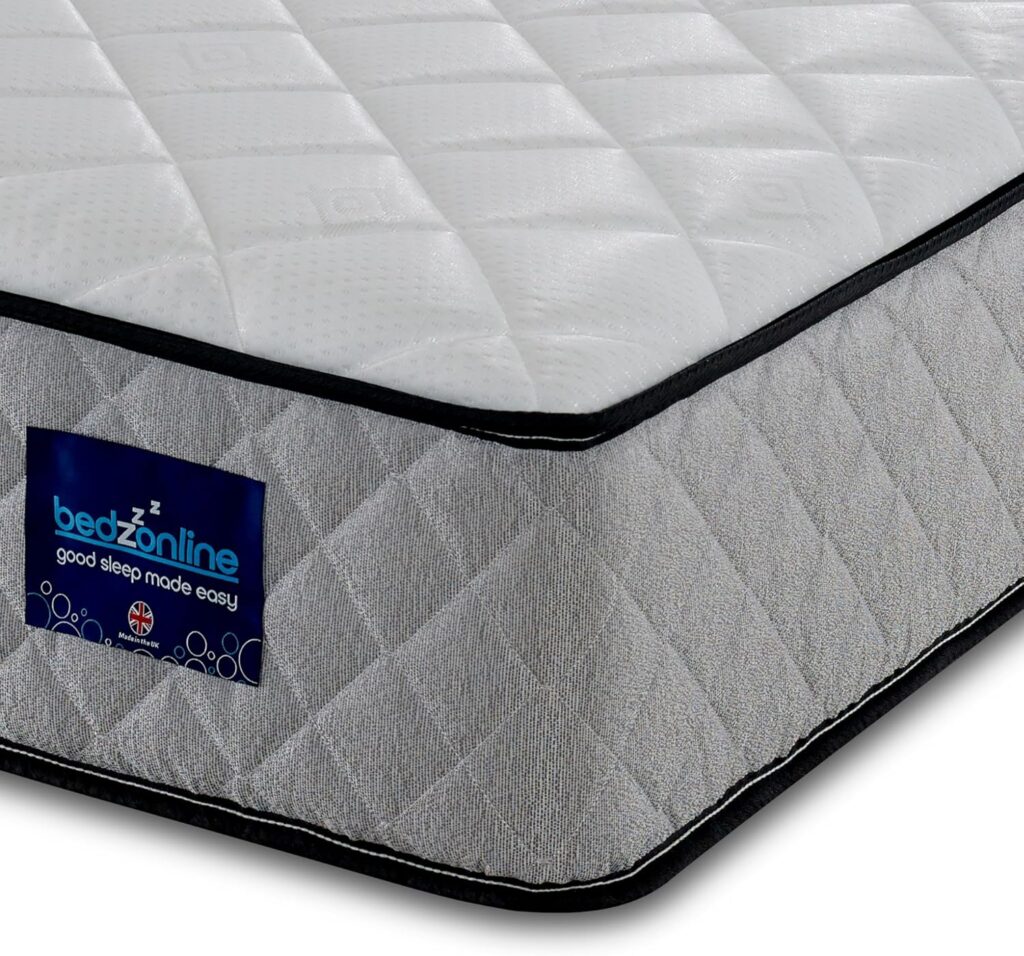
BEDZONLINE Hybrid Memory Foam Spring Mattress, Double, 20 cm Thick
Amazon UK's best-selling mattress: a 20 cm hybrid that pairs memory foam with springs.
Medium-firm may feel too firm for some side sleepers
No products have been added for United Arab Emirates yet.
Frequently asked questions
Quick answers to what readers ask most about choosing a mattress.
How firm should my mattress be?
Side sleepers usually do best on a soft-to-medium feel that relieves shoulder and hip pressure, while back and front sleepers usually prefer medium-firm to firm for support. Heavier sleepers tend to need a firmer mattress than average so they don’t sink too far.
Is a hybrid or memory foam mattress better?
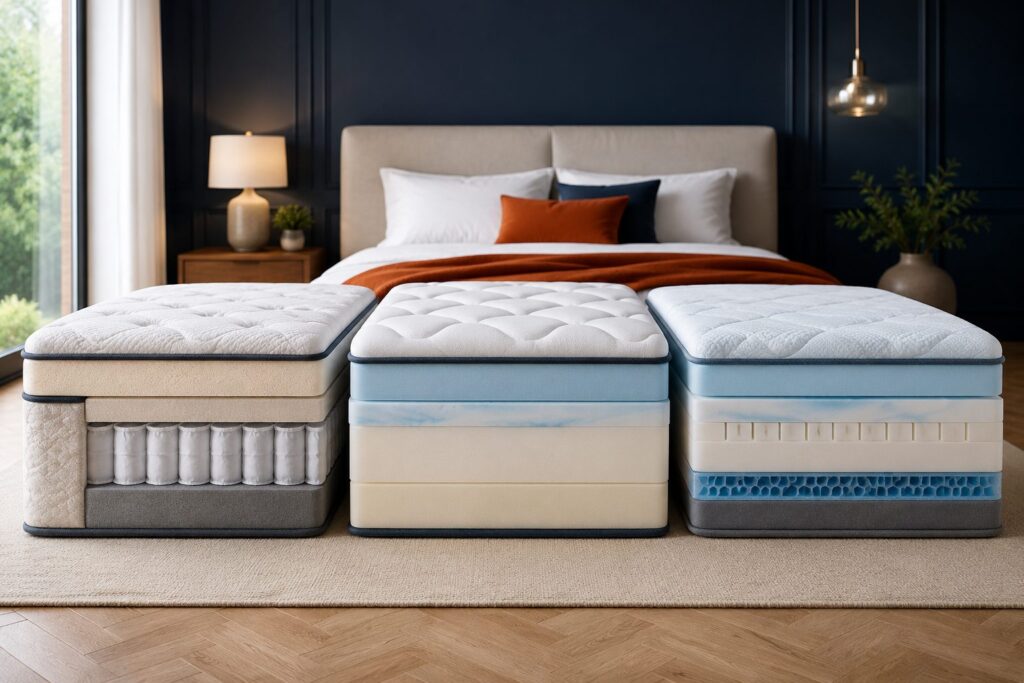
Hybrids combine springs with foam for a more responsive, supportive and breathable feel, which suits most sleepers and couples. All-foam mattresses contour more closely and isolate motion well but can sleep warmer. Your sleep position and temperature matter more than the category name.
What size mattress do I need?
Standard UK sizes are single (90 x 190 cm, 3ft), double (135 x 190 cm, 4ft 6in), king (150 x 200 cm, 5ft) and super king (180 x 200 cm, 6ft). Measure your bed frame first: UK and EU sizes differ, so an EU-sized mattress may not fit a UK frame.
How long does a new mattress take to settle?
A rolled mattress needs time to expand fully once unpacked, so follow the manufacturer’s guidance before sleeping on it. Your body may also take a few weeks to adjust to a new feel, so give it time before deciding whether it suits you.
How often should a mattress be replaced?
Most good mattresses last around 7 to 10 years. Sagging, lumps, waking up stiff or sleeping better elsewhere are all signs it is time to replace yours. A mattress protector and regular rotation can help it last longer.
Some links above are affiliate links. As an Amazon Associate we earn from qualifying purchases, at no extra cost to you. Links go to Amazon.com. Prices are illustrative — check the current price before buying.
Medical disclaimer. This guide is for general information only and is not medical advice. It is not intended to diagnose, treat, cure or prevent any condition. Always speak to a qualified healthcare professional before starting any new product, especially if you have an existing condition or take medication.