We'll tailor buying guides and product links to your country. You can change this anytime from the top bar.
Wound & Surgical Care · Buying guide
Best Antiseptic Creams for Cuts and Grazes in 2026
A zinc oxide barrier cream, a medicated cream with a local anaesthetic and a wound irrigation solution compared on format, active ingredient and intended use — to help you pick the right one for a minor wound.
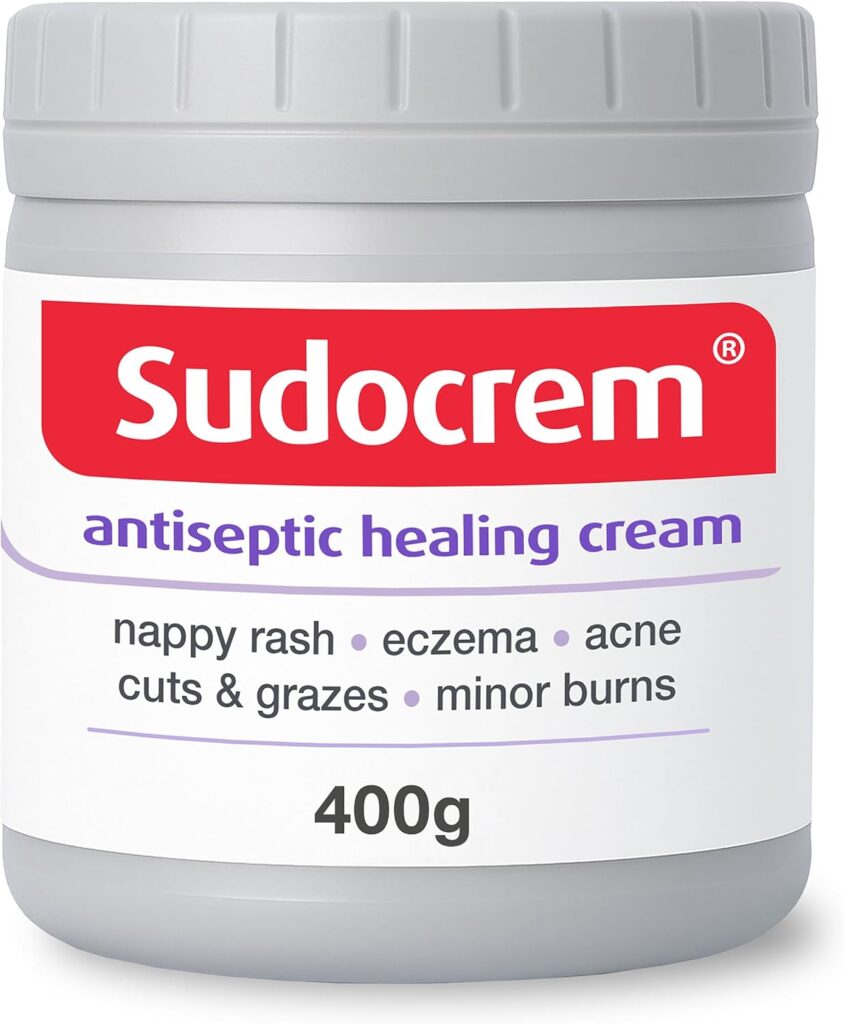
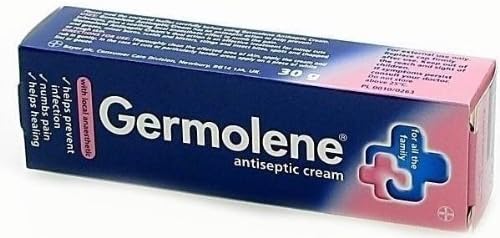
An antiseptic product is chosen by what the wound needs, not by brand: a barrier cream to protect intact or lightly broken skin, a medicated cream where the wound is painful as well as at risk of infection, or an irrigation solution where the wound needs flushing before anything is applied. Those are three different jobs, and a product that is excellent at one of them is often the wrong choice for another. Distributing Care put this shortlist together to cover all three formats rather than three versions of the same cream.
The three products below come from Amazon UK’s Best Sellers ranking in Cut & Wound Ointments, and are compared on format, what the manufacturer states the product contains, the wound types it is intended for, and pack size. Every one of them is intended for minor wounds cared for at home or in a care setting.
How we tested & chose
Distributing Care built this shortlist from Amazon UK’s Best Sellers ranking in Cut & Wound Ointments, read on 29 August 2026, then read each listing individually for format, stated composition, pack size and the wound types the manufacturer names. Descriptions below follow the manufacturer’s own labelling rather than any testing of our own, and we have deliberately not attributed effects to these products beyond what their labelling states.
What we weighed
Format: cream, ointment or solutionStated active ingredients on the labelWound types the manufacturer namesPack size and suitability for shared use
Best Sellers positions were read on 29 August 2026 and change daily. These products are licensed medicines or medical devices: always read the label and the patient information leaflet before use, check for ingredient allergies, and ask a pharmacist if you are unsure. Seek medical advice for deep wounds, bites, wounds that will not stop bleeding, or any wound showing signs of infection.
The picks, reviewed
No products have been added for United States yet.
Contains a local anaesthetic alongside the antiseptic
Tube format keeps the contents clean between uses
Cons
Smallest pack of the three
Licensed medicine, so read the leaflet for age and usage restrictions
Best for Wound Irrigation9.1/ 10 · Care Score
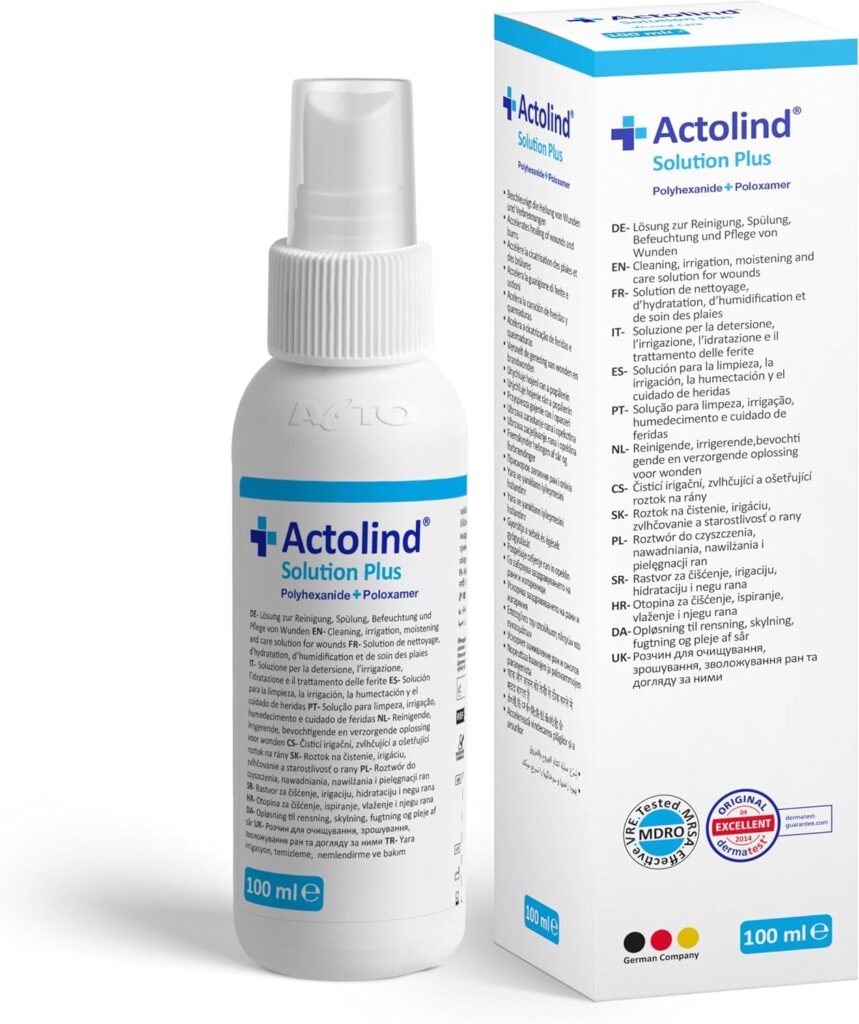
Actolind Solution Plus – Antiseptic Solution for Wound Irrigation and Moisturising Care of Acute, Chronic and Infected Wounds | CE Class III Medical Device | 100 ml
Rank 7 best seller: a CE Class III solution for flushing wounds before a dressing goes on.
Rank 7 best seller and the only irrigation format in the top ten
Labelled for acute, chronic and infected wounds
CE Class III classification stated on the listing
Cons
Not a leave-on product, so a cream or dressing is still needed
Small bottle relative to the volume flushing can use
No products have been added for United Arab Emirates yet.
Frequently asked questions
Quick answers to what readers ask most about antiseptic creams for minor wounds.
What does an antiseptic cream actually do?
An antiseptic cream is applied to skin to reduce the number of micro-organisms present, with the aim of lowering the risk that a minor wound becomes infected. It is not a treatment for an infection that has already taken hold, which usually needs assessment and may need a prescribed medicine. Cleaning the wound properly with running water first does more than any cream applied over dirt.
Should an antiseptic cream be used on every cut?
No. Most small, clean cuts need only washing with running water, drying gently and covering. Antiseptic products are most useful where a wound has been contaminated, where the skin around it is broken over a wide area, or where infection risk is higher for other reasons. Applying a cream routinely to a wound that is healing cleanly offers little and can irritate some skin.
Can antiseptic cream be used under a plaster?
Usually yes, but check the pack, because a thick layer of cream or ointment can stop an adhesive plaster sticking and can make a dressing harder to remove cleanly. Apply a thin layer, allow it to settle, and choose a dressing sized so the adhesive border lands on dry skin rather than on the treated area.
What is the difference between an antiseptic cream and a wound irrigation solution?
A cream stays on the skin surface and is left in place, while an irrigation solution is used to flush a wound and is not intended to remain. Solutions are typically used before dressing, particularly on wounds with debris or on chronic wounds being managed over time. The two are complementary rather than alternatives, and a care setting handling ongoing wounds often keeps both.
How long can antiseptic cream be kept once opened?
Follow the period-after-opening symbol on the pack, shown as an open jar with a figure such as 6M or 12M, and discard the product once that period has passed even if the expiry date is further away. A tub used by several people should be dispensed with a clean spatula rather than fingers, and any product that has changed colour, smell or texture should be discarded.
Some links above are affiliate links. As an Amazon Associate we earn from qualifying purchases, at no extra cost to you. Links go to Amazon.com. Prices are illustrative — check the current price before buying.
Medical disclaimer. This guide is for general information only and is not medical advice. It is not intended to diagnose, treat, cure or prevent any condition. Always speak to a qualified healthcare professional before starting any new product, especially if you have an existing condition or take medication.