We'll tailor buying guides and product links to your country. You can change this anytime from the top bar.
Pain Relief · Buying guide
Best Back and Shoulder Supports for Everyday Pain in 2026
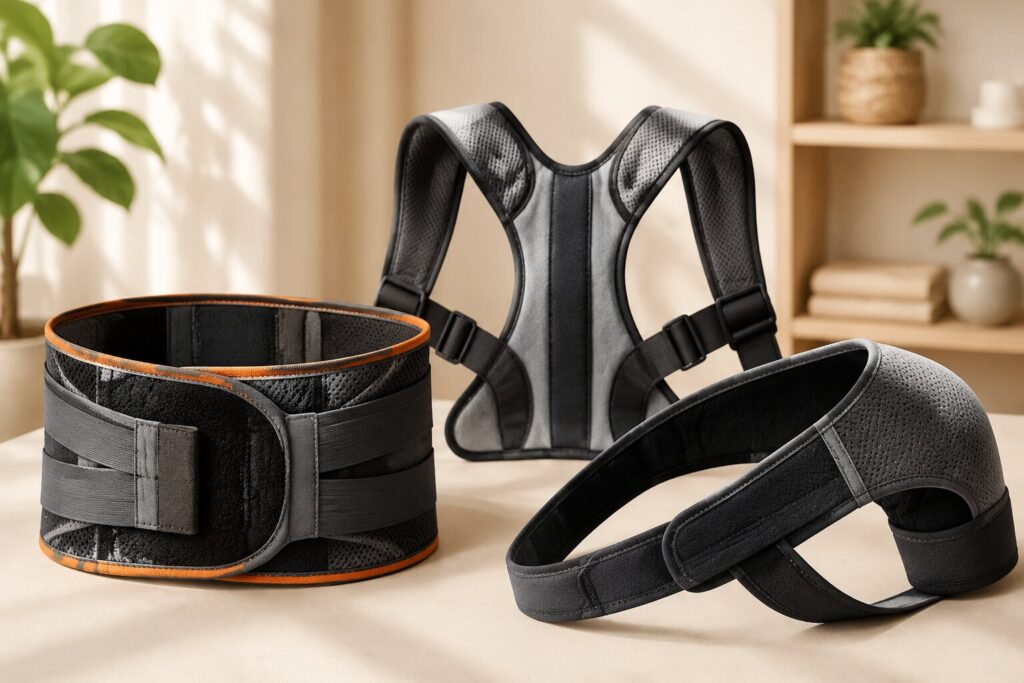
A lumbar support belt, a posture-correcting upper back brace and a shoulder brace compared on fit, adjustment and what each is designed to do — to help you choose the right support for the area that hurts.
A support belt does not treat back pain; it changes how the area feels while you move, which is a narrower job than most packaging suggests. Compression and a physical reminder to move differently can make a working day tolerable, but the evidence for lasting change comes from exercise rather than from fabric. Distributing Care compared the three best-selling supports on Amazon UK on that basis — what each one is actually for, rather than what it claims to cure.
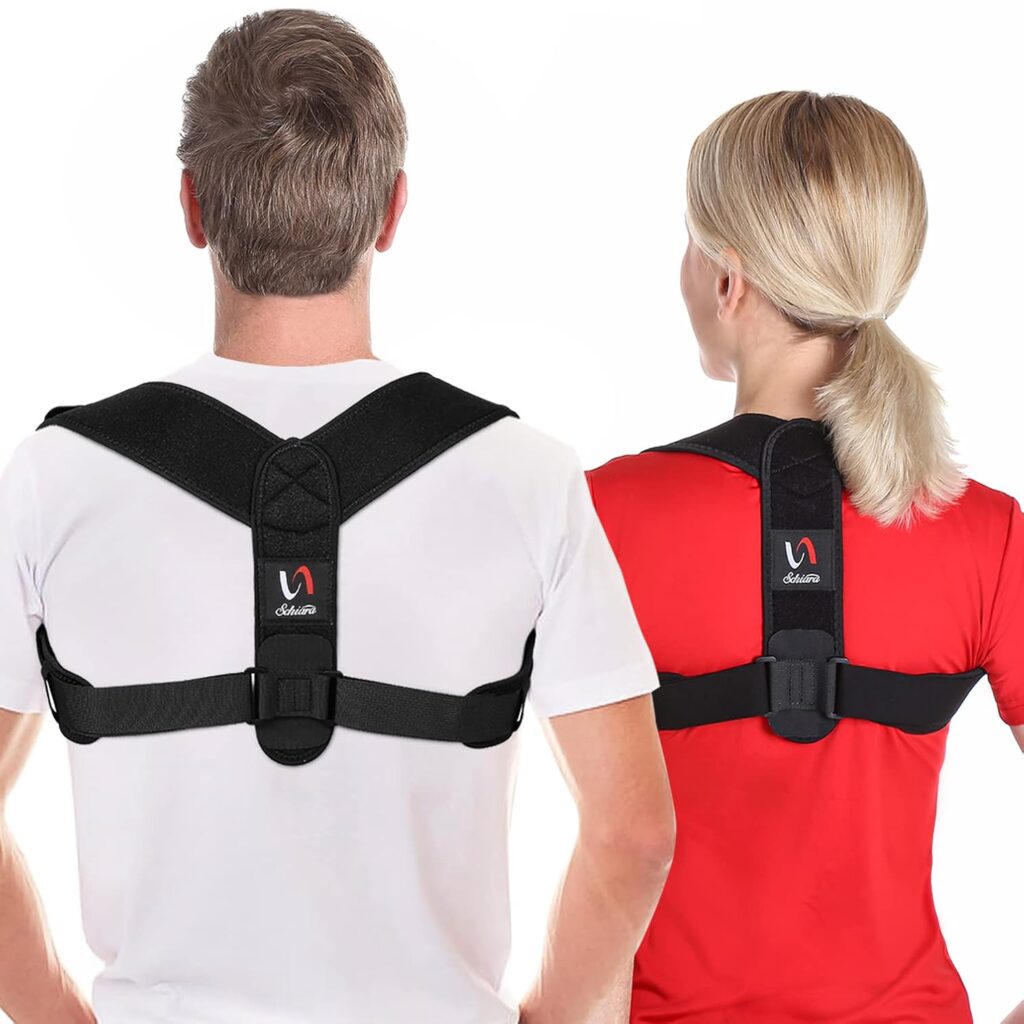
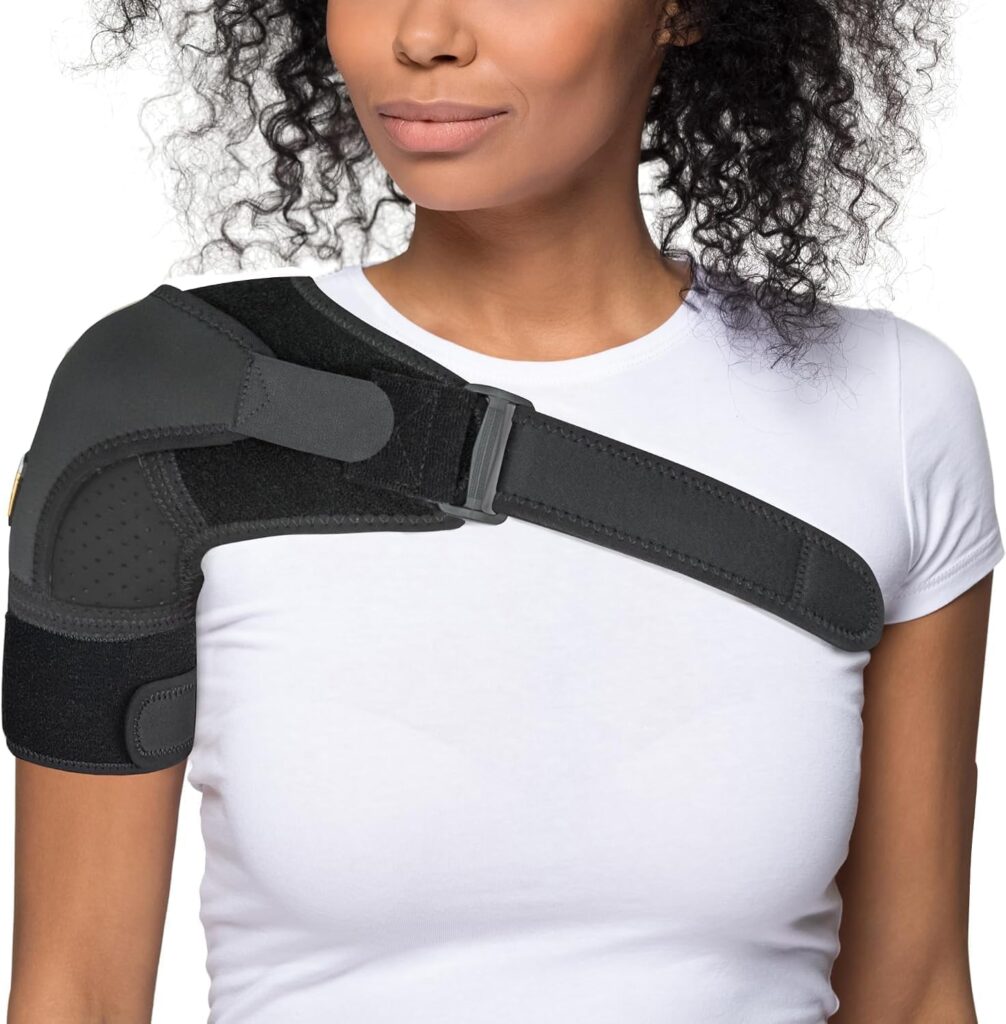
Three products are compared here, all drawn from Amazon UK’s Best Sellers in Back, Neck & Shoulder Supports: a lower back and lumbar belt, an adjustable upper back brace worn as a posture reminder, and a shoulder brace for the rotator cuff. They cover three different areas and three different jobs, so the right one is decided by where the pain is rather than by which scores highest.
How we tested & chose
Distributing Care shortlisted these three from the top ten of Amazon UK’s Best Sellers in Back, Neck & Shoulder Supports — a list ranked by units sold rather than by search relevance or advertising. Product names and construction details were taken from the live listings on 29 August 2026, and the guidance below reflects NICE guideline NG59 on low back pain and sciatica together with published NHS self-care advice.
What we weighed
Which area it is built for — lumbar, upper back or shoulderHow the fit is adjusted, and whether size is chosen on the listingWhether it can be worn discreetly under clothingWhat the product can honestly do, against published guidance
Compiled by the Distributing Care editorial team from live listing data, NICE guideline NG59 and published NHS self-care guidance. A support garment eases symptoms during activity; it does not correct a spinal problem. Persistent or worsening back or shoulder pain should be assessed by a GP or physiotherapist.
The picks, reviewed
No products have been added for United States yet.
Best Overall9.4/ 10 · Care Score
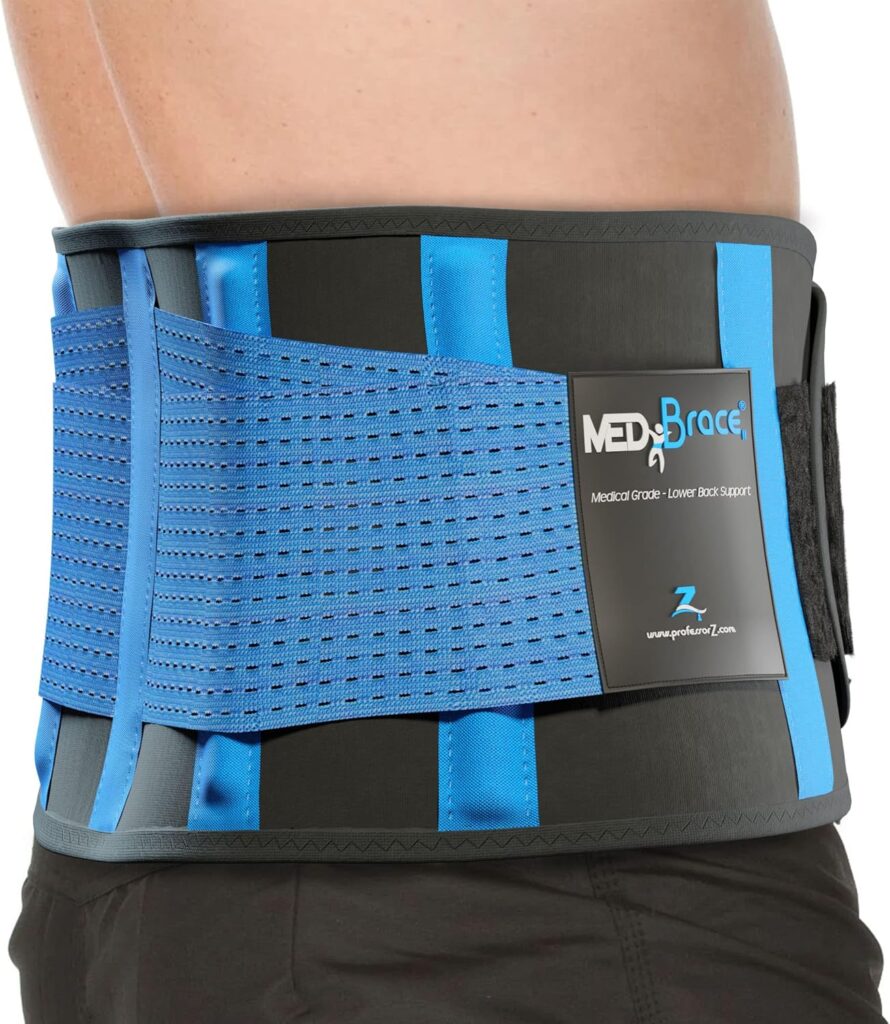
MEDiBrace Lower Back Support Belt, Lumbar Brace, Sciatica Pain Relief
Rank 1 best seller: a lumbar belt built for the lower back, where most everyday back pain sits.
Rank 6 best seller in Back, Neck & Shoulder Supports
Built specifically for the shoulder rather than the spine
Sold as a fixed size and colour, so the link is unambiguous
Cons
Small/Medium only on this listing — larger frames need the other size
Bulkier under clothing than a back brace
No products have been added for United Arab Emirates yet.
Frequently asked questions
Quick answers to what readers ask most about back and shoulder supports.
Do back support belts actually work?
They can make movement more comfortable, but they are not a treatment for back pain. NICE guideline NG59 advises clinicians not to offer belts or corsets for managing low back pain with or without sciatica, and recommends exercise and staying active as the first-line approach instead. What a belt does provide is compression and a tactile reminder to bend and lift more carefully, which many people find useful during specific tasks.
How long should a lumbar support belt be worn?
For short periods around a specific activity, rather than all day. A belt is most useful during lifting, driving or a long shift on your feet, and should be loosened or removed once the task is over. Wearing one continuously is discouraged because the goal is to keep the back moving and the supporting muscles working; if you feel you cannot manage without it, that is a reason to see a physiotherapist rather than to wear it longer.
Can a posture corrector fix rounded shoulders?
A posture brace is a reminder, not a correction. It applies gentle tension across the shoulders that prompts you to sit or stand differently, which can relieve the aching that comes from holding one position at a desk. Lasting change in how you hold yourself comes from strengthening the muscles that do the holding, so a brace is best treated as a short-term prompt alongside exercise rather than as a device that reshapes the spine.
How do I choose the right size support?
Measure the body part rather than relying on your clothing size. Lumbar belts are sized on waist circumference in centimetres, shoulder braces on chest measurement, and the two rarely match the size you buy in a shop. Several listings ask you to select a size on the product page before adding to the basket, so check the size chart on the listing itself and measure with a tape before ordering.
When should back pain be seen by a professional?
Some back symptoms need urgent assessment rather than a support belt. The NHS advises seeking immediate medical help for numbness around the genitals or buttocks, loss of bladder or bowel control, weakness in both legs, or back pain following a serious accident, and for back pain accompanied by fever or unexplained weight loss. For ordinary back pain, see a GP or physiotherapist if it is not improving after a few weeks of self-care.
Some links above are affiliate links. As an Amazon Associate we earn from qualifying purchases, at no extra cost to you. Links go to Amazon.com. Prices are illustrative — check the current price before buying.
Medical disclaimer. This guide is for general information only and is not medical advice. It is not intended to diagnose, treat, cure or prevent any condition. Always speak to a qualified healthcare professional before starting any new product, especially if you have an existing condition or take medication.