We'll tailor buying guides and product links to your country. You can change this anytime from the top bar.
Diagnostics & Testing · Buying guide
Best Body Composition Scales for Tracking Progress at Home in 2026
Two bioelectrical impedance scales and a smart tape measure compared on how each one takes its reading, what it can and cannot measure — to help you choose the right way to track change over time.
A body composition scale estimates what your weight is made of rather than simply reporting the number. It does this with bioelectrical impedance analysis: a small, imperceptible current is passed through the body, and because lean tissue conducts more readily than fat, the device infers a body fat percentage from the resistance it meets. That word — infers — is the important one. These are estimates built on a formula, not clinical measurements, which is why they are far more useful for tracking a trend than for pinning down a single true figure.
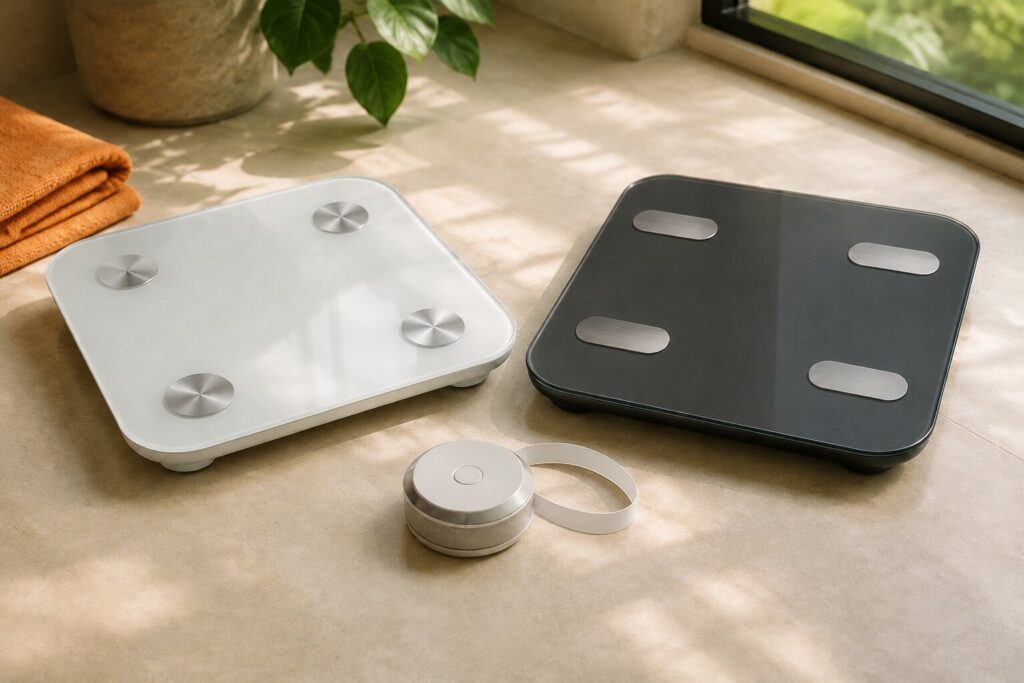
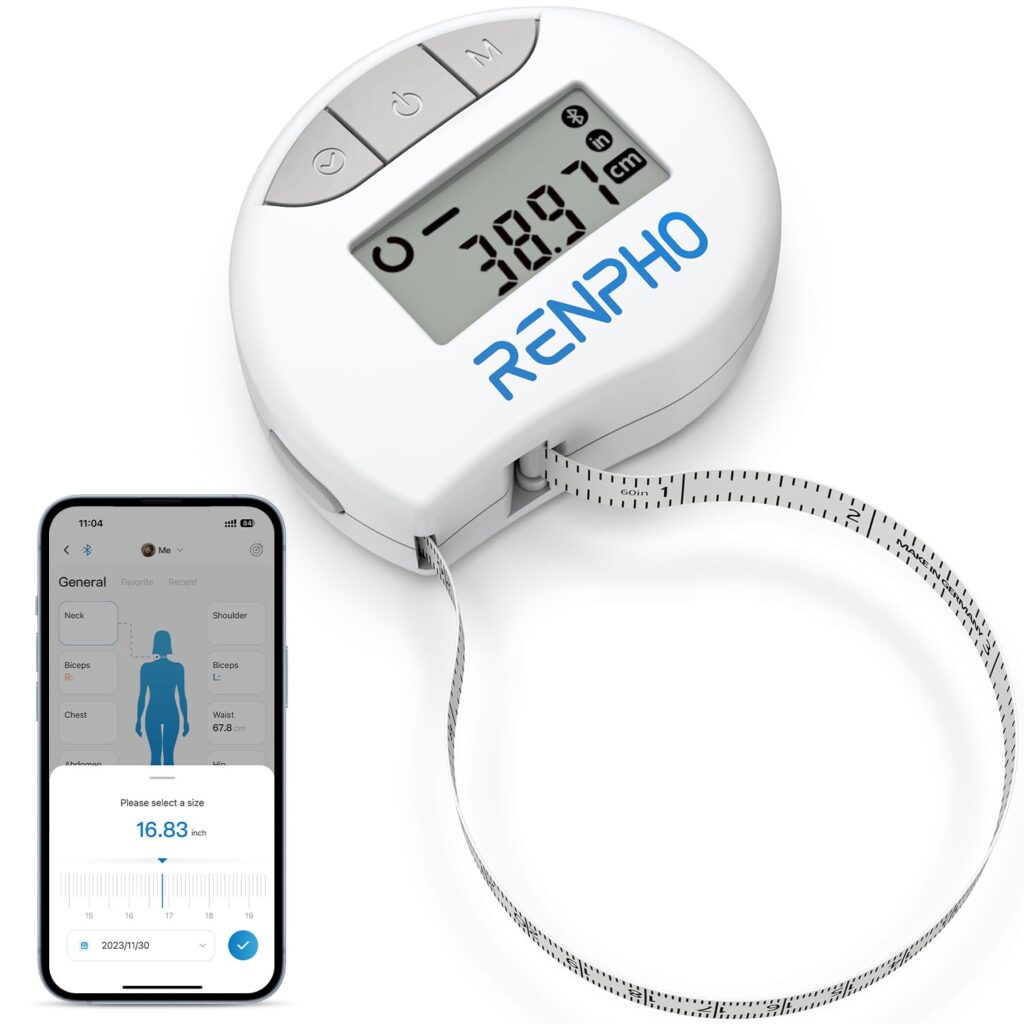
Distributing Care compared three ways of measuring change at home: a four-electrode scale that reads through the feet, an eight-electrode scale with handles that reads the upper body as well, and a smart tape measure that records circumference instead of impedance. The shortlist comes from Amazon UK’s Best Sellers in Body Fat & Body Composition Monitors, and each pick uses a genuinely different method.
How we tested & chose
Distributing Care built this shortlist from Amazon UK’s Best Sellers in Body Fat & Body Composition Monitors, taking the top ten by units sold and choosing one product per measurement method rather than three variations on the same four-electrode scale. Each listing was checked for electrode configuration, weight capacity, graduation and what the app records. Thresholds quoted below were checked against NHS guidance on BMI and NICE guidance on waist measurement.
What we weighed
Measurement method and how much of the body it readsWeight capacity and graduationWhat the companion app records and whether it keeps historyRepeatability, which matters more than absolute accuracy
Bioelectrical impedance devices estimate body composition; they do not diagnose anything, and their figures should not be treated as clinical measurements. Most manufacturers advise that people with a pacemaker or other implanted electronic device should not use the impedance function, and that anyone pregnant should record weight only — check the manual before first use. If you are concerned about your weight or a rapid change in it, speak to your GP or a registered dietitian rather than relying on a home device.
The picks, reviewed
No products have been added for United States yet.
Best Overall9.4/ 10 · Care Score
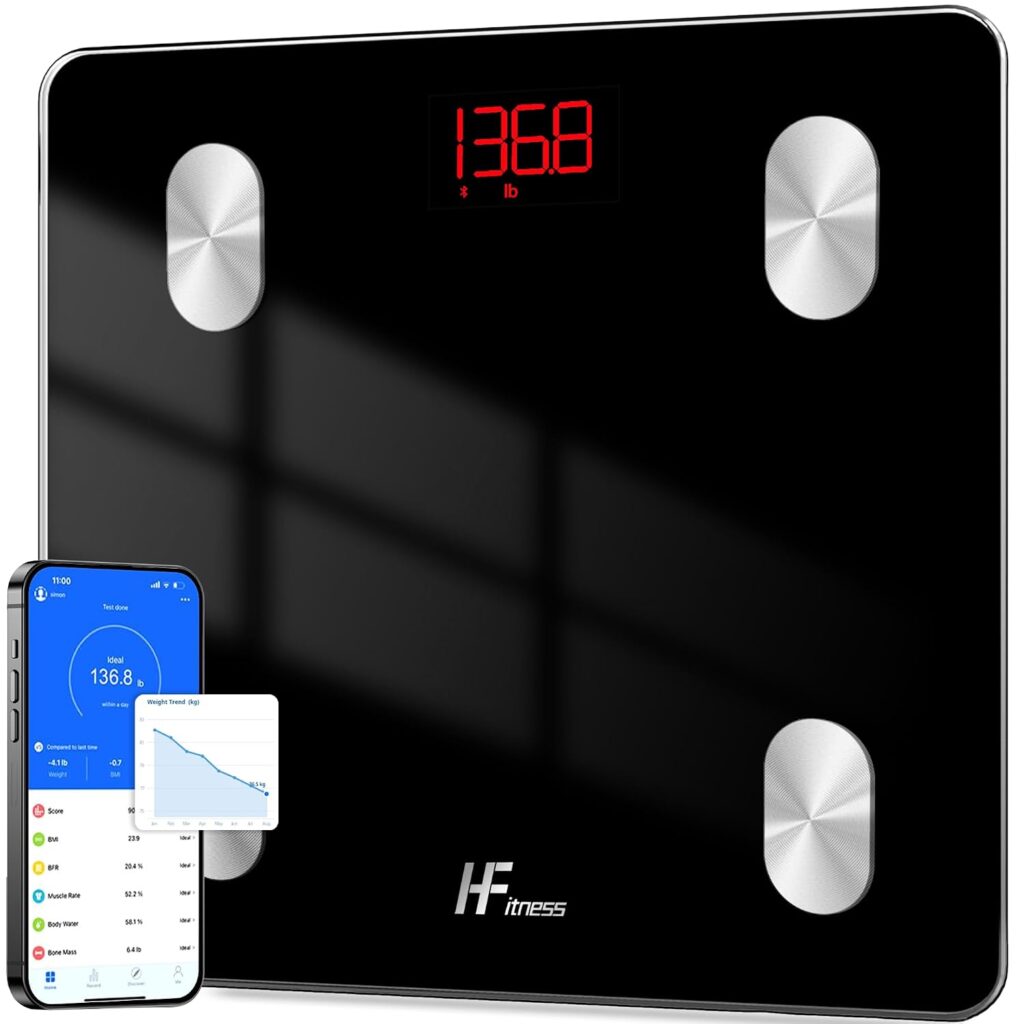
HomeFashion HFitness Smart Bathroom Scales for Body Weight, Bluetooth Body Fat Scale with 19 Body Composition Metrics, Digital Weighing Scale, BMI, Muscle Mass, Bone Mass, iOS & Android App Black
Rank 1 best seller in the category: a four-electrode impedance scale recording 19 metrics to a phone app, which is what makes a trend visible.
Rank 9 best seller in Body Fat & Body Composition Monitors
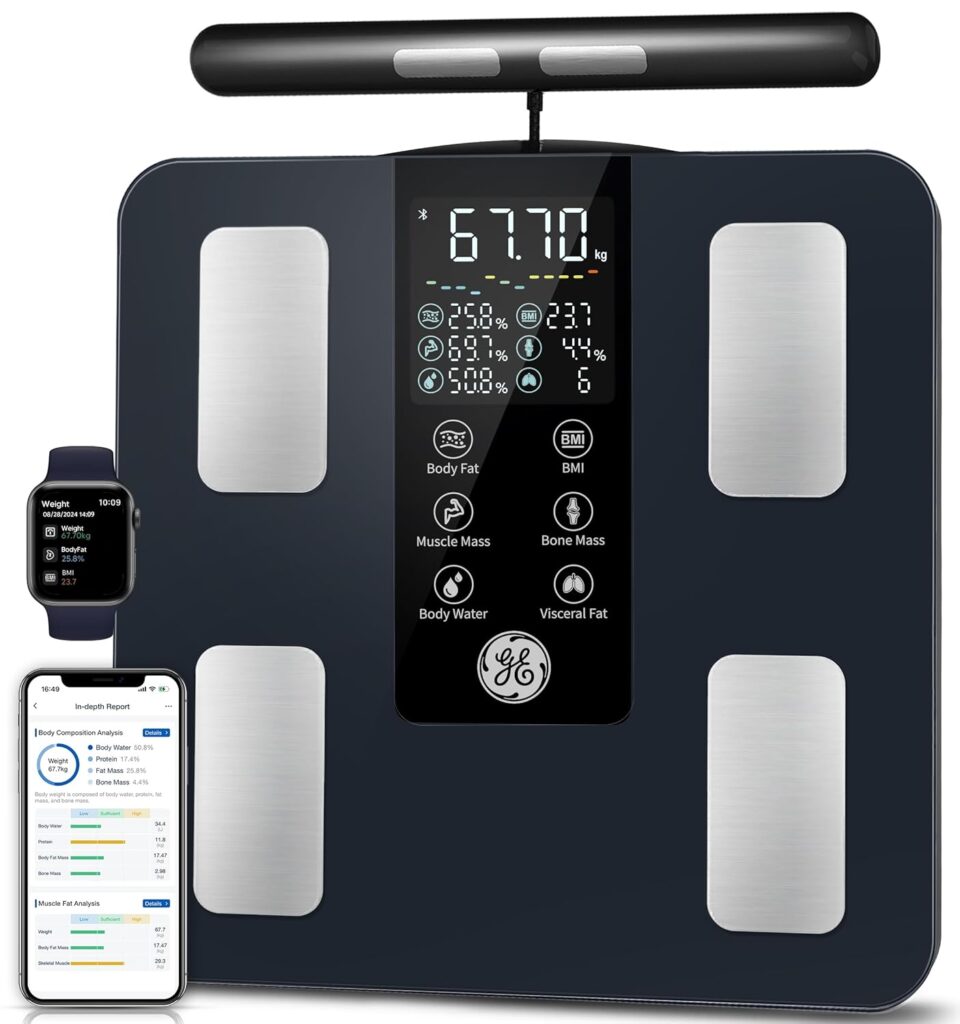
Handles bring the upper body into the measurement rather than estimating it
Reports segmental readings limb by limb
Cons
Bulkier to store than a plain platform scale
Still an estimate from a formula, not a clinical body composition measurement
No products have been added for United Arab Emirates yet.
Frequently asked questions
Quick answers to what readers ask most about body composition scales.
How accurate are body composition scales?
They are more reliable as trend trackers than as sources of a single true number. Bioelectrical impedance infers body fat from how easily a current passes through the body, and because that depends heavily on hydration, the same person can read differently before and after a drink, a meal, a shower or exercise. The practical consequence is that the direction of travel across several weeks tells you something useful, while a one-off percentage should be treated as an estimate rather than a fact.
What is the difference between a four-electrode and an eight-electrode scale?
A four-electrode scale passes its current up one leg and down the other, so it measures the lower body directly and estimates the rest; an eight-electrode model adds handles, sending the current through the arms and torso as well. The eight-electrode design therefore has more of the body to work from and can report segmental readings limb by limb. It is still an estimate from a formula rather than a clinical measurement, but there is less inference involved.
When is the best time to weigh yourself?
First thing in the morning, after using the toilet and before eating or drinking, and on the same day of the week each time. Consistency matters far more than the specific slot you choose, because hydration and food shift both weight and impedance readings through the day. Put the scale on a hard, level floor rather than carpet, and stand on it with bare, dry feet — socks and damp skin both interfere with the electrodes.
Is waist measurement more useful than BMI?
They answer different questions, and NICE recommends using both together for most adults. BMI describes weight relative to height: the NHS treats 18.5 to 24.9 as the healthy range, 25 to 29.9 as overweight and 30 or above as obese, with lower thresholds advised for people of Asian, Black African, African-Caribbean and Middle Eastern family background. Waist measurement adds where the weight sits, which BMI cannot see — NICE advises keeping your waist to less than half your height, a rule of thumb that works at any height without a calculator.
Who should avoid using a body composition scale?
Anyone with a pacemaker or another implanted electronic device should not use the impedance function, because manufacturers do not validate these devices for that situation — the weight function alone is generally fine, and the manual will say so. Manufacturers also commonly advise recording weight only during pregnancy. Beyond the electrical caution, frequent weighing is not helpful for everyone: if tracking numbers is affecting your relationship with food or exercise, a tape measure or no measurement at all may serve you better than a daily figure.
Some links above are affiliate links. As an Amazon Associate we earn from qualifying purchases, at no extra cost to you. Links go to Amazon.com. Prices are illustrative — check the current price before buying.
Medical disclaimer. This guide is for general information only and is not medical advice. It is not intended to diagnose, treat, cure or prevent any condition. Always speak to a qualified healthcare professional before starting any new product, especially if you have an existing condition or take medication.