We'll tailor buying guides and product links to your country. You can change this anytime from the top bar.
Baby & Maternal Healthcare · Buying guide
Best Breastfeeding Essentials for the First Weeks in 2026
Breast pads, nipple cream and a manual pump compared on absorbency, ingredients and how much there is to clean — the three items most reached for in the first weeks.
The first weeks of breastfeeding create three practical problems at once: leaking between feeds, sore skin from frequent feeding, and the first time someone else needs to give a feed. Each has a different answer, and buying one does not solve the other two. Distributing Care compared the highest-ranked example of each.
We took Amazon UK’s Best Sellers in Breastfeeding and used the top three in rank order, which happen to be three different jobs rather than three versions of one product. They are compared below on absorbency and pack format, what the ingredient list actually contains, and how many parts have to be cleaned or sterilised.
How we tested & chose
Distributing Care built this shortlist from Amazon UK’s Best Sellers in Breastfeeding, taking the top three in rank order rather than from a search. We compared absorbency and pack format, the ingredients and allergen information given on each listing, and how much has to be washed or sterilised after use; every product name, photograph and stock status was checked against the live Amazon UK listing on 12 August 2026.
What we weighed
Rank in the Breastfeeding best sellersIngredients and allergen information on the listingCleaning, sterilising and replacement partsWhether it suits a hospital bag or home use
Reviewed by the Distributing Care editorial team. These are comfort and hygiene products, not treatments. Feeding pain that does not settle, skin that cracks or bleeds, or a baby who is not gaining weight should go to a midwife, health visitor or GP rather than to a product.
The picks, reviewed
No products have been added for United States yet.
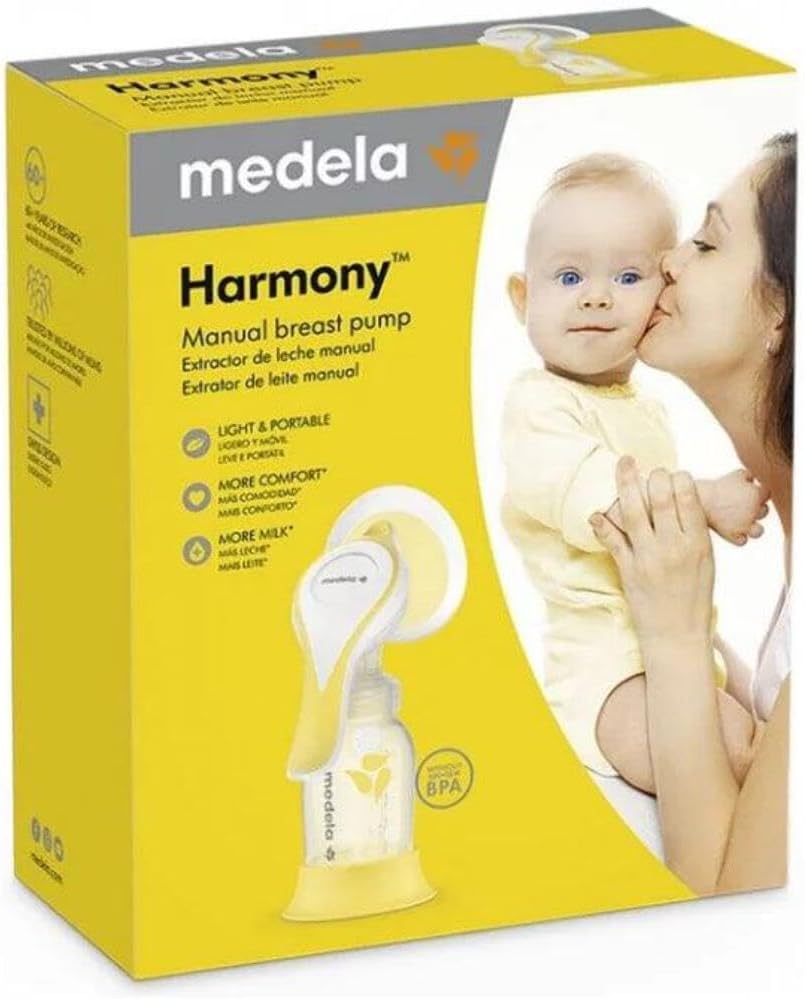
Two-phase action follows a baby's natural feeding rhythm
Compact enough to carry
Cons
Hand-powered, so tiring for frequent expressing
More parts to sterilise than a pad or a cream
No products have been added for United Arab Emirates yet.
Frequently asked questions
Quick answers to what readers ask most about breastfeeding essentials.
What do you actually need for breastfeeding in the first weeks?
Three things cover most of it: breast pads for leaking, a nipple cream for sore skin, and some way to express milk if you need to be away from your baby. Almost everything else can wait until you know how feeding is going. The picks on this page are the highest-ranked example of each in Amazon UK’s Breastfeeding best sellers.
How often should you change disposable breast pads?
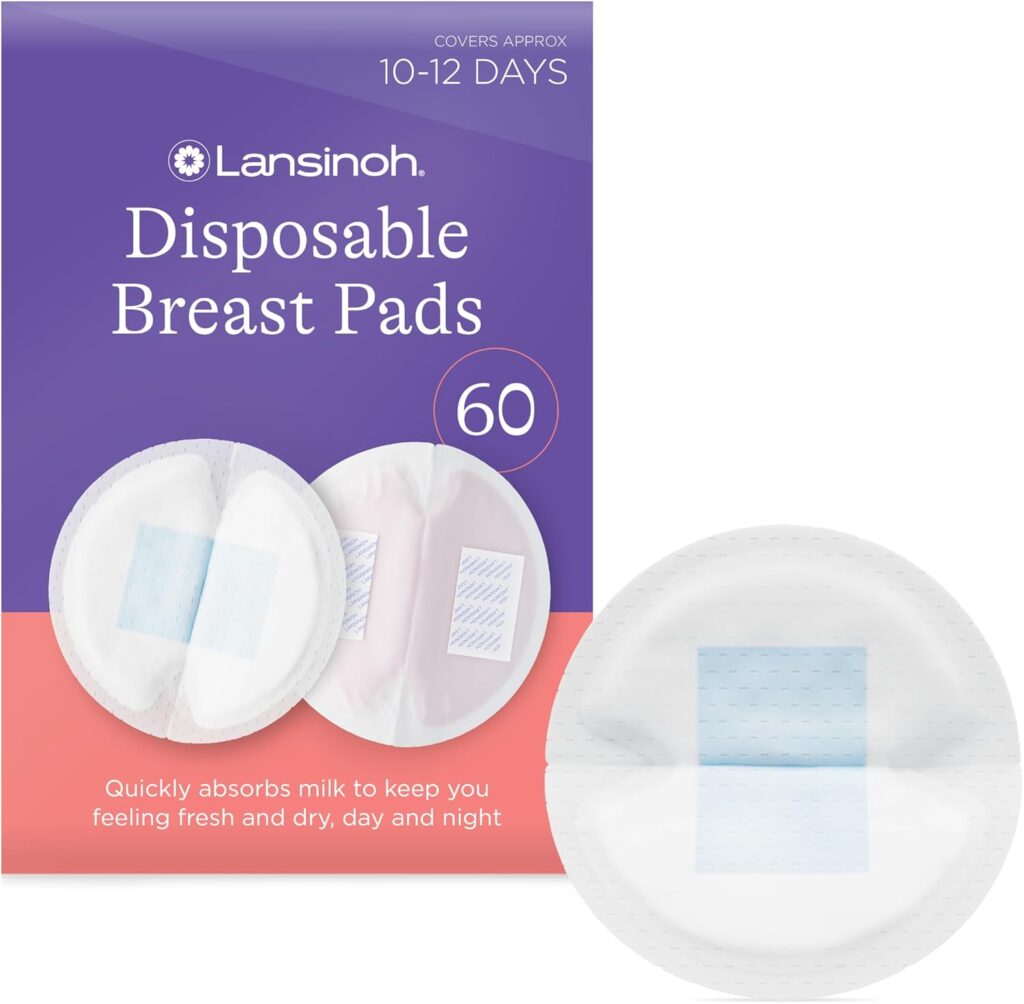
Change them as soon as they feel damp, rather than on a fixed schedule. Milk held against the skin keeps the area warm and moist, which is uncomfortable and can make already sore skin worse. Individually wrapped pads make this easier away from home, because a clean pair stays sealed until you need it.
Is lanolin nipple cream safe for the baby?
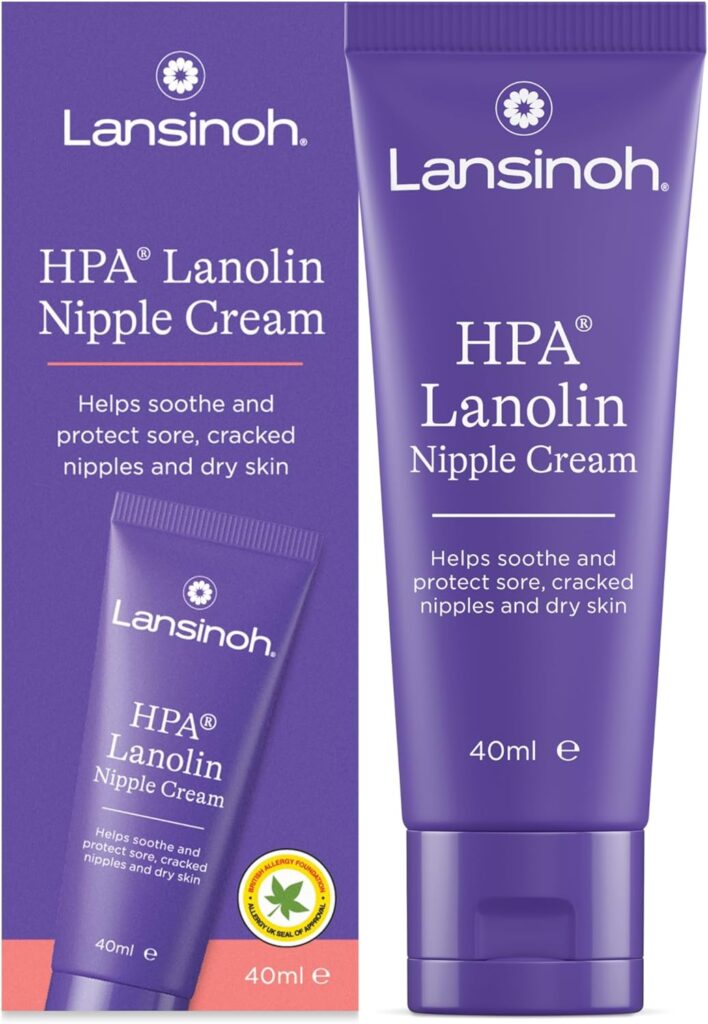
Lanolin creams sold for breastfeeding do not need wiping off before a feed — Lansinoh states this for its HPA Lanolin, which is tasteless and odourless. Lanolin is derived from sheep’s wool, so it is not suitable if you avoid animal-derived ingredients, and anyone with a known wool allergy should check with a midwife or pharmacist first.
Do you need a breast pump if you are breastfeeding?
Not necessarily. A pump is useful if you want someone else to give a feed, if you are returning to work, or if you need to relieve fullness, but many mothers feed without ever using one. A manual pump suits occasional expressing because it needs no power supply and has few parts; expressing several times a day is far easier with an electric pump.
When should you get help with breastfeeding?
Ask early rather than waiting for it to settle. Pain that continues beyond the first few seconds of a feed, cracked or bleeding skin, a baby who is not gaining weight, or feeds that never seem to end are all reasons to contact your midwife, health visitor or GP. The National Breastfeeding Helpline and the NHS breastfeeding pages also offer trained support. Most feeding pain comes from positioning and attachment, which no product can correct.
Some links above are affiliate links. As an Amazon Associate we earn from qualifying purchases, at no extra cost to you. Links go to Amazon.com. Prices are illustrative — check the current price before buying.
Medical disclaimer. This guide is for general information only and is not medical advice. It is not intended to diagnose, treat, cure or prevent any condition. Always speak to a qualified healthcare professional before starting any new product, especially if you have an existing condition or take medication.