We'll tailor buying guides and product links to your country. You can change this anytime from the top bar.
Respiratory Health · Buying guide
Best Breathing Trainers for Everyday Lung Health in 2026
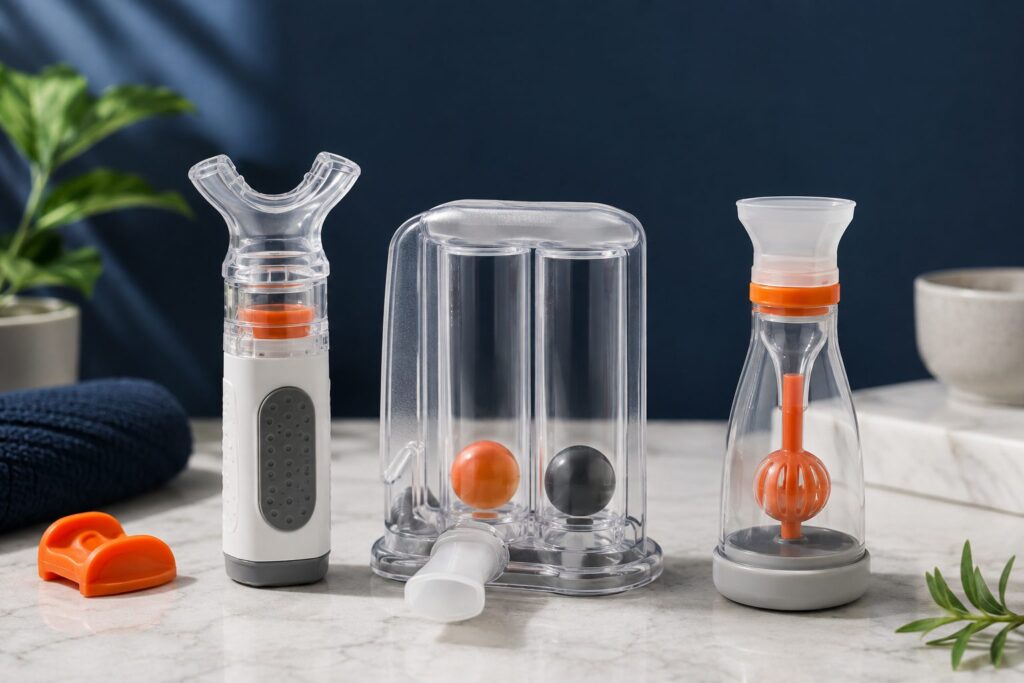
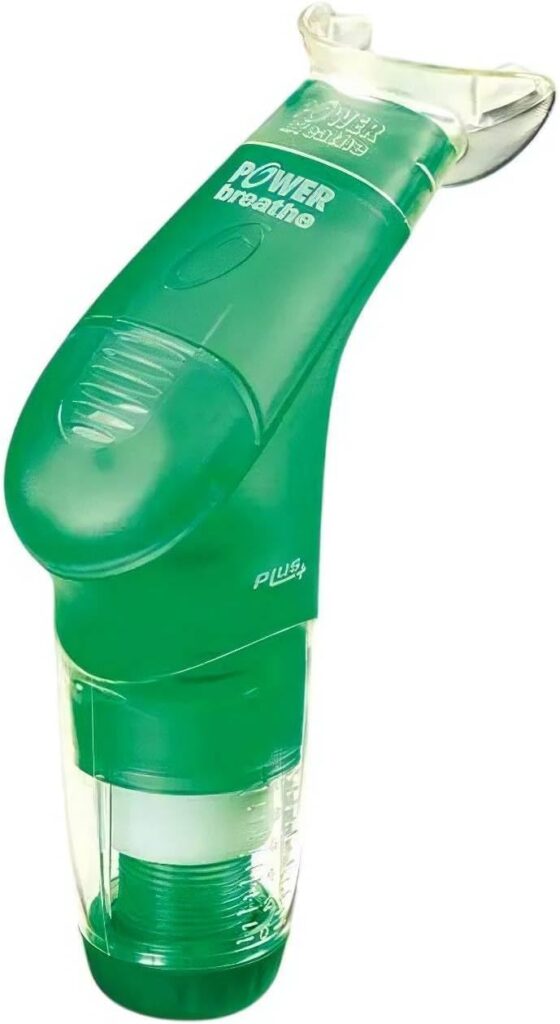
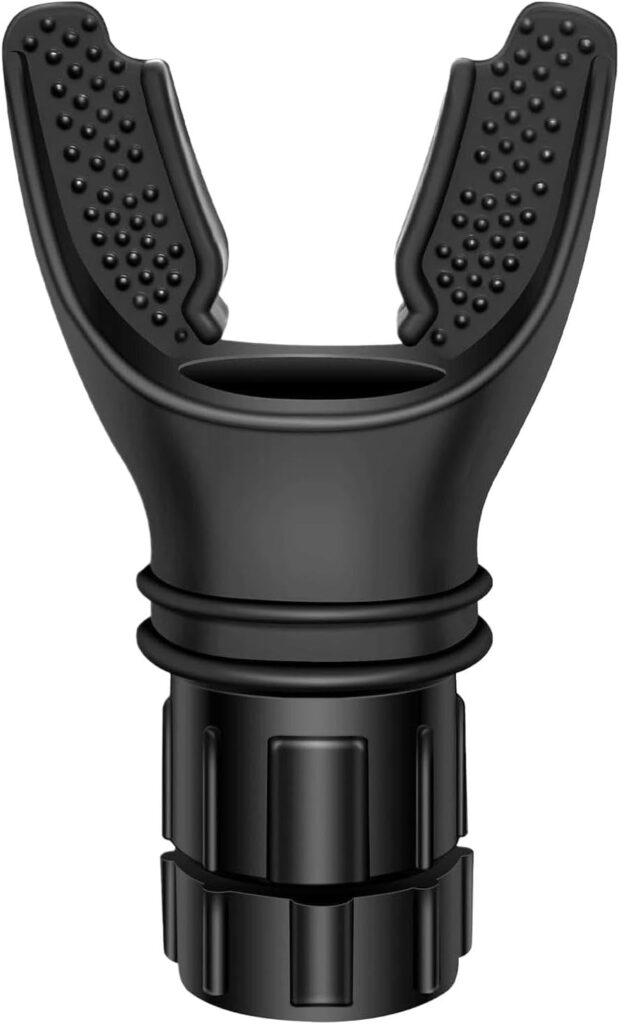
POWERbreathe Plus Heavy, POWERbreathe Plus Light and a compact dial trainer compared on resistance, ease of use and portability — to help you choose the right breathing trainer for fitness or everyday lung strength.
The right breathing trainer depends mainly on how much resistance you need: a light setting suits beginners and less active users, while a heavy setting suits people who already exercise regularly. Both types train the breathing muscles in a few minutes a day, with no power supply and no gym.
Distributing Care compared three breathing trainers sold on Amazon UK on resistance level, ease of use, portability and cleaning. Here are our picks, from the most demanding trainer for active users to the most compact.
How we tested & chose
Distributing Care shortlisted breathing trainers sold on Amazon UK and compared them on published specifications: resistance level, how well they suit different fitness levels, portability and cleaning. Amazon UK has no dedicated best-seller list for breathing trainers, so these picks reflect listing specifications and brand track record rather than sales rank.
What we weighed
Resistance level and adjustabilitySuitability across fitness levelsPortability and ease of cleaningBrand track record
Picks are not sponsored. If you have a lung or heart condition, or are recovering from illness or surgery, speak to your GP or physiotherapist before starting breathing-muscle training.
The picks, reviewed
No products have been added for United States yet.
Best for Active Users9.3/ 10 · Care Score
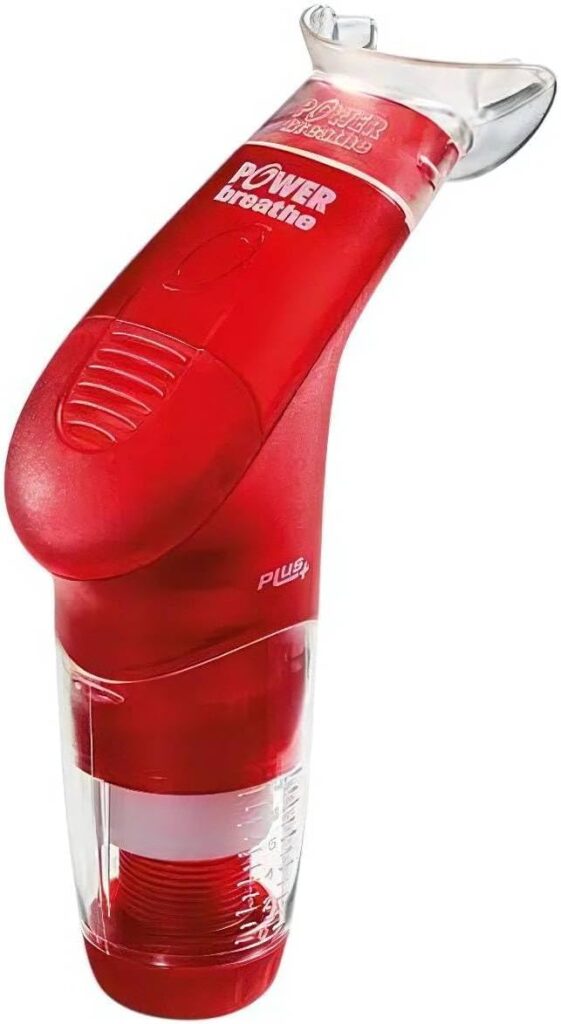
POWERBREATHE Plus Breathing Training Device, Red - Heavy Resistance
An adjustable heavy-resistance trainer from an established breathing-training brand, for people who already exercise regularly.
No products have been added for United Arab Emirates yet.
Frequently asked questions
Quick answers to what readers ask most about breathing trainers.
How often should I use a breathing trainer?
Most manufacturers recommend two short sessions a day, usually a few minutes each. Regular daily practice tends to give better results than occasional longer sessions, so follow the schedule in your device’s instructions.
What does a breathing trainer actually do?
A breathing trainer makes the muscles you breathe with, mainly the diaphragm, work against resistance. Over time this is intended to build their strength and endurance, in the same way that weights train other muscles.
Which resistance level should I choose?
Choose light resistance if you are new to breathing training, less active or older, and heavy resistance only if you already exercise regularly and want a harder workout. If you are unsure, start lighter: every trainer here can be adjusted within its range as you get stronger.
Are breathing trainers safe if I have a lung condition?
Breathing trainers are not suitable for everyone, so check with your GP or physiotherapist before using one if you have a lung or heart condition, or are recovering from illness or surgery. Stop training if you feel dizzy or unwell.
How do I keep a breathing trainer clean?
Most models come apart for rinsing in warm, soapy water and should be air-dried fully before reassembly. Clean the mouthpiece regularly, as you breathe directly through it.
Some links above are affiliate links. As an Amazon Associate we earn from qualifying purchases, at no extra cost to you. Links go to Amazon.com. Prices are illustrative — check the current price before buying.
Medical disclaimer. This guide is for general information only and is not medical advice. It is not intended to diagnose, treat, cure or prevent any condition. Always speak to a qualified healthcare professional before starting any new product, especially if you have an existing condition or take medication.