We'll tailor buying guides and product links to your country. You can change this anytime from the top bar.
First Aid & Emergency · Buying guide
Best CPR Face Shields for UK Carers and Care Homes in 2026
Three of Amazon UK's best-selling CPR face shields and pocket masks compared on valve protection, pack size and carry case — to help UK care homes and carers equip every shift for resuscitation emergencies.
Cardiac arrest and choking incidents in care settings often mean the first response comes from whoever happens to be nearest — a care assistant, a receptionist, or a family carer — not a paramedic. A CPR face shield or pocket mask is the piece of equipment that lets that first responder start rescue breaths safely, without direct mouth-to-mouth contact, while waiting for an ambulance or a defibrillator to arrive.
Distributing Care compared three of Amazon UK’s best-selling CPR face shields and pocket masks on valve protection, pack size and how they’re carried, and checked each listing was in stock before shortlisting. Here’s what we found, and which one suits a single first aider versus a full care home team.
How we tested & chose
Distributing Care shortlisted from Amazon UK’s Resuscitation Face Shields Best Sellers category, then weighed each listing against how it would actually get used on a shift — by a single first aider, or stocked across a care home team. Stock and listing details were checked directly against the live page.
What we weighed
One-way valve protectionPack size for team or single-carer useCarry case durabilityAmazon best-seller ranking
Distributing Care checked stock and listing details on 1 September 2026. This guide is not a substitute for accredited first aid or CPR training — speak to a qualified trainer or your organisation’s health and safety lead about the right resuscitation equipment for your setting.
The picks, reviewed
No products have been added for United States yet.
Best Overall9.4/ 10 · Care Score
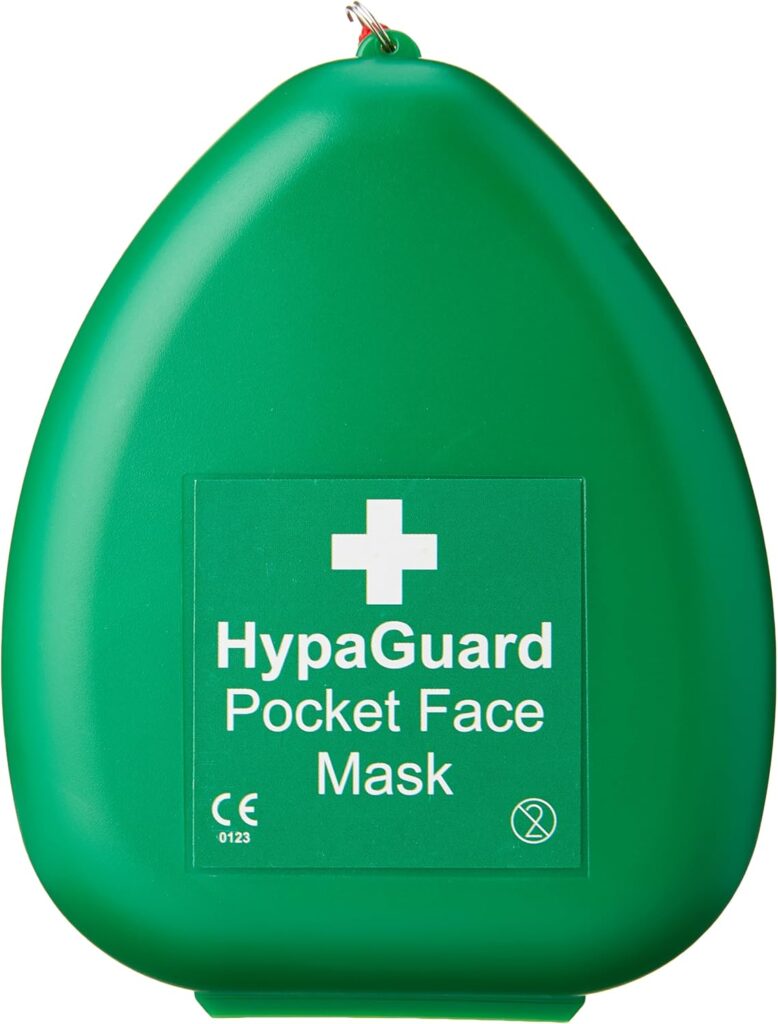
Safety First Aid HypaGuard Pocket CPR Face Mask for Resuscitation
A pocket-sized rescue mask with a one-way valve, built for a single first aider to carry every day.
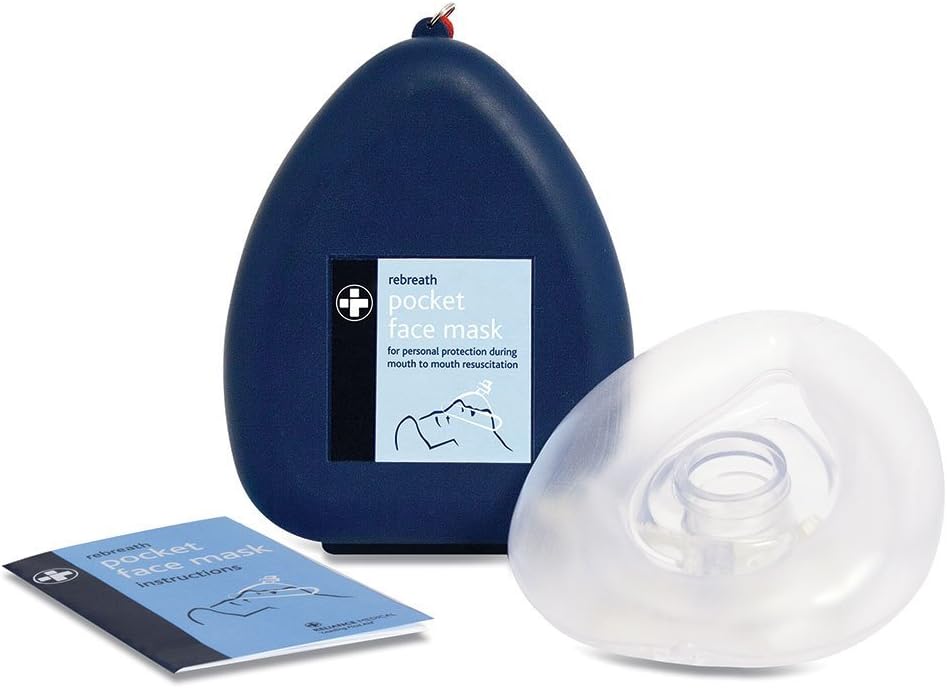
Rebreath Pocket Face Mask With Valve For CPR For Personal Protection During Mounth To Mounth Resuscitation In A Blue Clamshell Case - Perfect for First Aiders
A single-use valve mask stored in a hard blue clamshell case, small enough for a coat pocket or car glovebox.
No products have been added for United Arab Emirates yet.
Frequently asked questions
Quick answers to what readers ask most about CPR face shields and pocket masks.
Do care homes need to stock CPR face shields?
Yes. The Resuscitation Council UK and the Care Quality Commission both expect care providers to have a plan for responding to cardiac arrest, and a one-way valve face shield or pocket mask is the minimum barrier equipment recommended for giving rescue breaths safely. Many care homes stock one for every trained first aider on shift, alongside any defibrillator on site.
What’s the difference between a CPR face shield and a pocket mask?
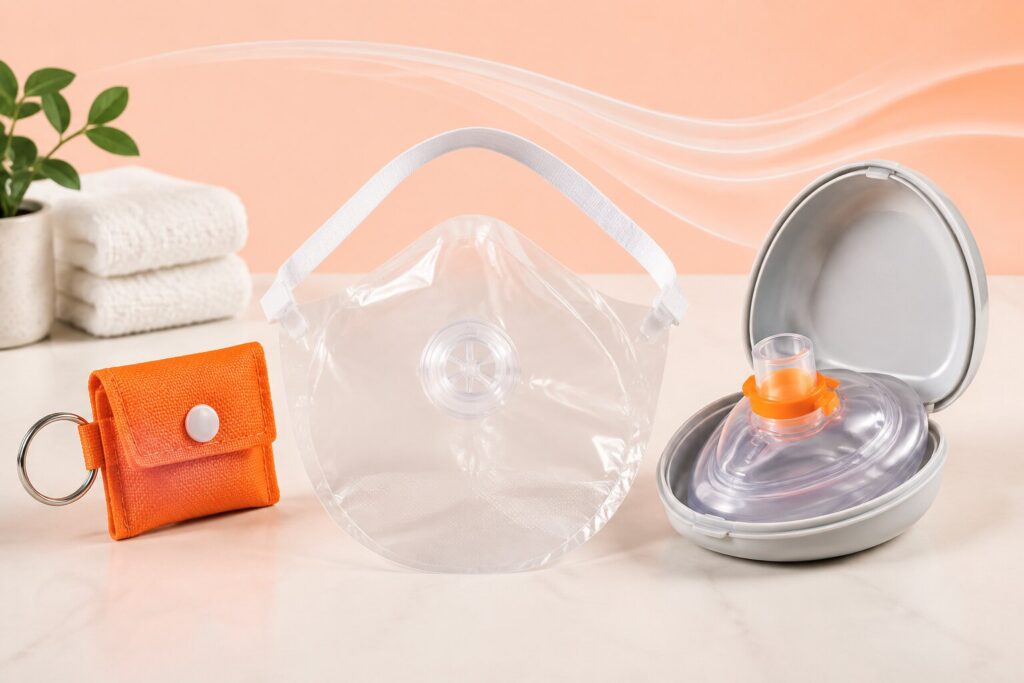
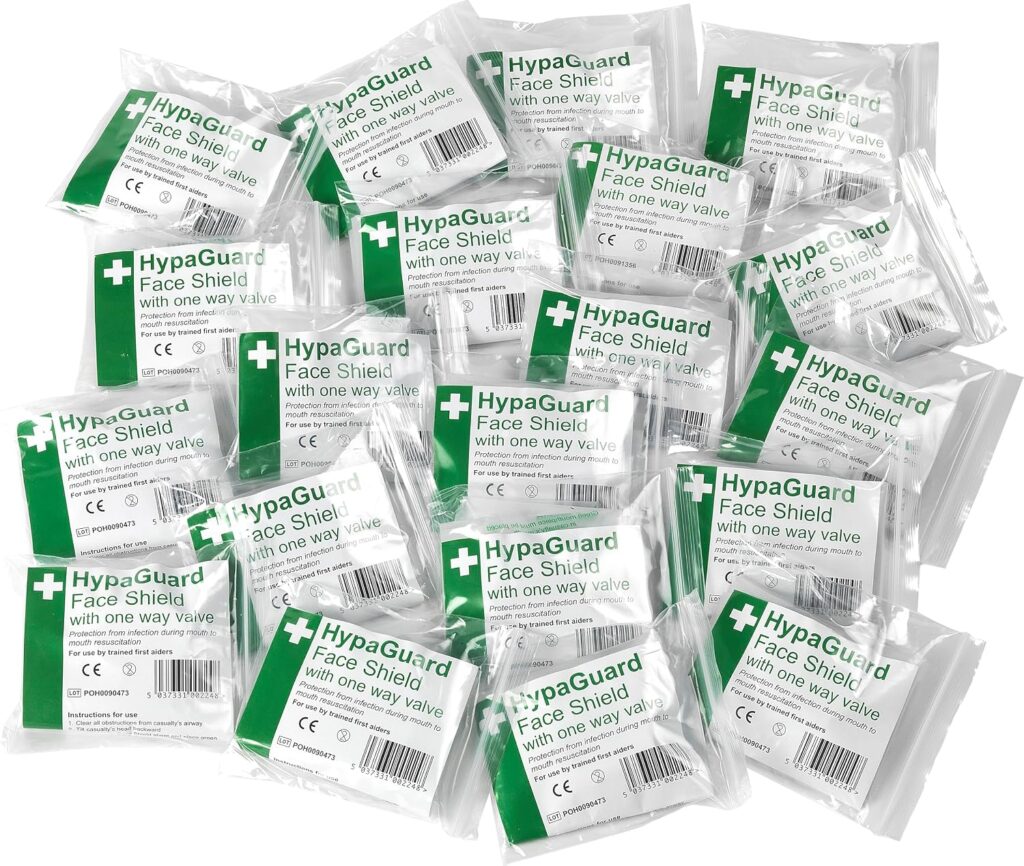
A face shield is a thin sheet with a filtered valve that sits over the casualty’s mouth and nose, folding flat into a wallet or keyring pouch. A pocket mask is a rigid, cup-shaped mask with its own one-way valve that forms a tighter seal, usually stored in a hard clamshell case. Pocket masks are generally considered more effective for a sustained rescue, while shields are smaller to carry.
How many CPR masks should a care home keep on site?
There’s no single legal number — it depends on staffing levels, shift patterns and how many trained first aiders are on duty at any one time. As a working guide, many care providers keep at least one sealed mask per trained first aider per shift, plus spares in the first aid cabinet, so a used or contaminated shield can be replaced immediately.
Can family carers use the same face shields as care home staff?
Yes — the equipment itself doesn’t require a professional qualification to use, though CPR technique is safer and more effective after training. A compact pocket mask in a clamshell case, kept in a bag or glovebox, is a practical choice for a family carer visiting someone at home.
Do CPR face shields expire or need replacing?
Most manufacturers recommend replacing a shield or mask that’s been used, opened, or stored outside its packaging, and checking the pack for any use-by or shelf-life date. Keeping shields sealed in their original wrapper until needed is the simplest way to avoid a perished valve on the day it’s needed.
Some links above are affiliate links. As an Amazon Associate we earn from qualifying purchases, at no extra cost to you. Links go to Amazon.com. Prices are illustrative — check the current price before buying.
Medical disclaimer. This guide is for general information only and is not medical advice. It is not intended to diagnose, treat, cure or prevent any condition. Always speak to a qualified healthcare professional before starting any new product, especially if you have an existing condition or take medication.