We'll tailor buying guides and product links to your country. You can change this anytime from the top bar.
Natural & Alternative Health · Buying guide
Best Essential Oils for Home Aromatherapy in 2026
Peppermint, lavender and a cold-pressed carrier oil compared on botanical type, bottle size and how each is actually used — to help you choose a sensible first oil for home aromatherapy.
Buying your first essential oil is really three decisions at once: which oil to start with, how large a bottle to commit to, and what to dilute it in. Distributing Care looked at what UK buyers are actually purchasing rather than what is most heavily promoted, and the picture is narrower than the category suggests — peppermint dominates the list, lavender is the main alternative, and a carrier oil belongs alongside both, because neither essential oil should meet skin undiluted.
The three products below are compared on botanical type, bottle size, stated purity and intended use. Two are essential oils for diffusing or diluted massage; the third is the carrier oil that makes topical use possible at all. Each was taken from the top ten of a single Amazon UK Best Sellers category, and the ranks are given on every card.
How we tested & chose
The shortlist came from the top ten of Amazon UK’s Best Sellers in Aromatherapy, a list ranked by units sold rather than by search relevance or advertising spend. Distributing Care then read each listing directly on 29 August 2026 to confirm bottle size, oil type and the purity the seller states, and rejected near-duplicate peppermint listings so that the three picks cover genuinely different uses.
What we weighed
Oil type and the purity stated on the listingBottle size and whether a glass dropper is includedWhether it is an essential oil or a carrier oil for dilutionRank held in the Aromatherapy Best Sellers list
Essential oils are cosmetic and household products, not licensed medicines, and Distributing Care makes no medical claims for them. Dilute before any skin contact, keep bottles away from children and pets, and speak to a GP or pharmacist before using them if you are pregnant, breastfeeding or managing a health condition.
The picks, reviewed
No products have been added for United States yet.
Best Overall9.4/ 10 · Care Score
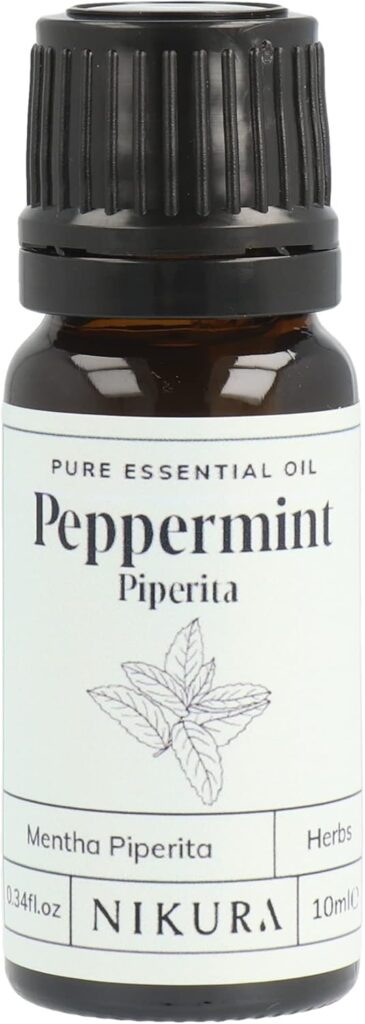
Nikura Peppermint Essential Oil - 10ml | Perfect for Repelling Spiders, Rats, Mice, Bugs, Ants | Great for Hair, Headaches Relief, Energy Boost, Skin, Candle Making | Vegan & UK Made
Rank 1 best seller: the small peppermint bottle most UK aromatherapy kits start with.
Rank 1 best seller in Amazon UK's Aromatherapy category
Small 10 ml bottle is a low-commitment way to start
Vegan and UK made, per the listing
Cons
Smallest bottle here, so it is used up fastest
Peppermint is a strong scent that not everyone wants in a shared room
Best Carrier Oil9.2/ 10 · Care Score
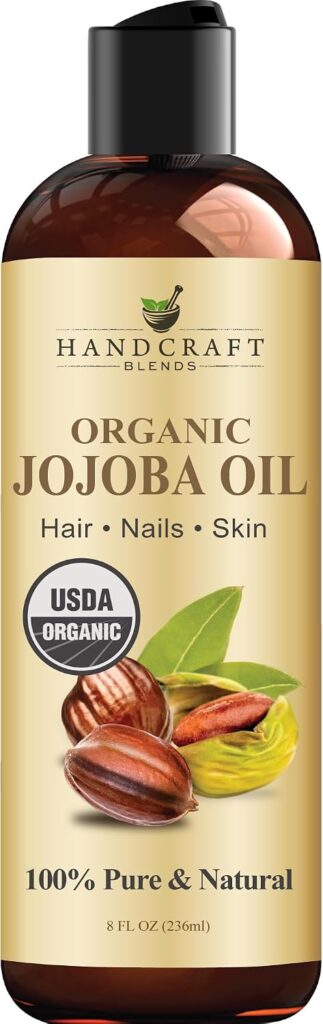
Handcraft Blends USDA Organic Jojoba Oil - Cold-Pressed 236 ml - 100% Pure and Natural - Premium Grade Carrier Oil for Skin and Hair - Hair and Body - Hexane-Free
Rank 3 best seller: the cold-pressed base you dilute the other two oils into.
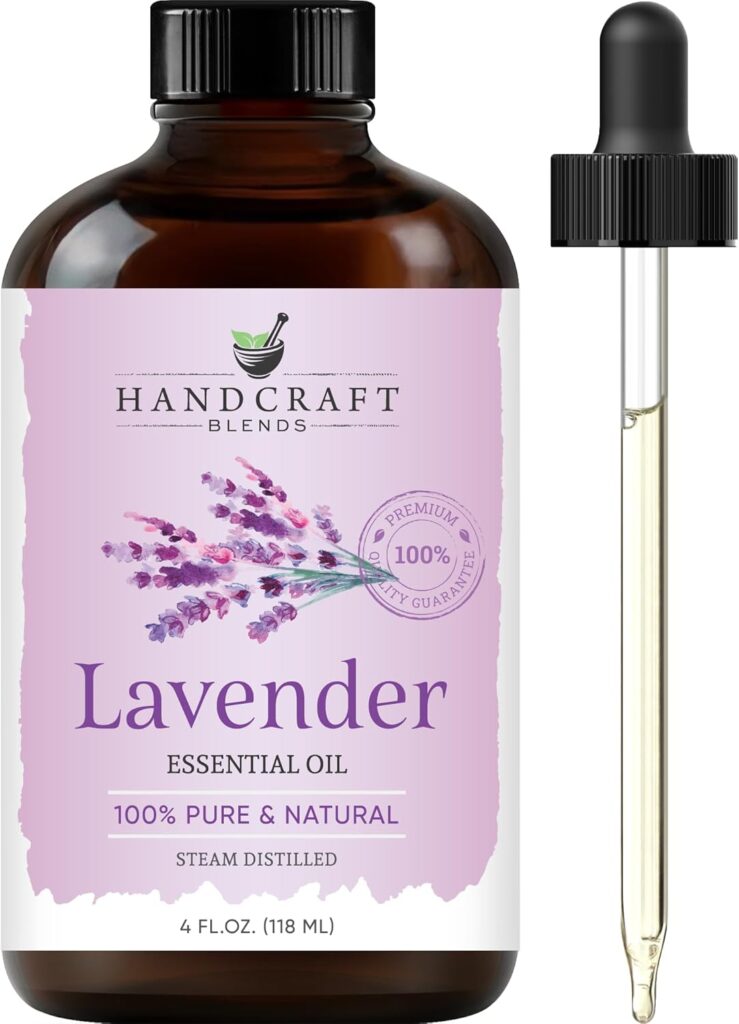
Rank 6 best seller and the top-placed lavender oil in the category
Largest single essential oil bottle in the top ten
Supplied with a glass dropper for measuring drops
Cons
A big bottle of one scent is a commitment while you are still experimenting
Lavender is divisive in shared living spaces
No products have been added for United Arab Emirates yet.
Frequently asked questions
Quick answers to what readers ask most about essential oils.
Can you put essential oils straight onto your skin?
No. Undiluted essential oils should not be applied directly to skin; mix them into a carrier oil such as jojoba first. Commonly cited aromatherapy guidance is a dilution of about 1 to 2 per cent for adult skin, which works out at roughly six to twelve drops of essential oil per 30 ml of carrier oil. Patch test a small area before wider use.
What is a carrier oil, and do I need one?
A carrier oil is a neutral plant oil, such as jojoba, that dilutes concentrated essential oils so they can safely meet skin. You need one for any massage or topical use. You do not need one for a diffuser, where the oil is dispersed in water instead.
How many drops of essential oil go in a diffuser?
Follow the instructions supplied with your diffuser, which commonly suggest three to five drops per 100 ml of water. Start at the lower end in a small or poorly ventilated room, and run the diffuser in short sessions rather than continuously.
Are essential oils safe to diffuse around pets?
Use caution. Cats metabolise many of the compounds in essential oils poorly, and vets advise against diffusing strong oils such as peppermint and tea tree in rooms an animal cannot leave. Always leave a door open so a pet can move away, and ask your vet first if you keep a cat or an animal with breathing problems.
How long do essential oils last once opened?
Most suppliers give a shelf life of one to three years from opening, with citrus oils the shortest lived and woody oils the longest. Keep bottles closed, upright and out of direct sunlight; the dark glass used for most essential oils is there to slow light damage.
Some links above are affiliate links. As an Amazon Associate we earn from qualifying purchases, at no extra cost to you. Links go to Amazon.com. Prices are illustrative — check the current price before buying.
Medical disclaimer. This guide is for general information only and is not medical advice. It is not intended to diagnose, treat, cure or prevent any condition. Always speak to a qualified healthcare professional before starting any new product, especially if you have an existing condition or take medication.