We'll tailor buying guides and product links to your country. You can change this anytime from the top bar.
Fitness & Active Health · Buying guide
Best Exercise Balls for Core, Pilates and Pregnancy in 2026
A full-size anti-burst gym ball, a 23cm soft Pilates ball and a birthing ball compared on size, construction and purpose — to help you choose the right ball for what you actually want to do with it.
An exercise ball is sized rather than chosen, which is where most buyers go wrong. A 65cm gym ball, a 23cm soft Pilates ball and a birthing ball look like variations on one product, but they do three unrelated jobs, and buying the wrong diameter is the single most common mistake. Distributing Care looked at what UK buyers are actually purchasing rather than at what gets marketed hardest.
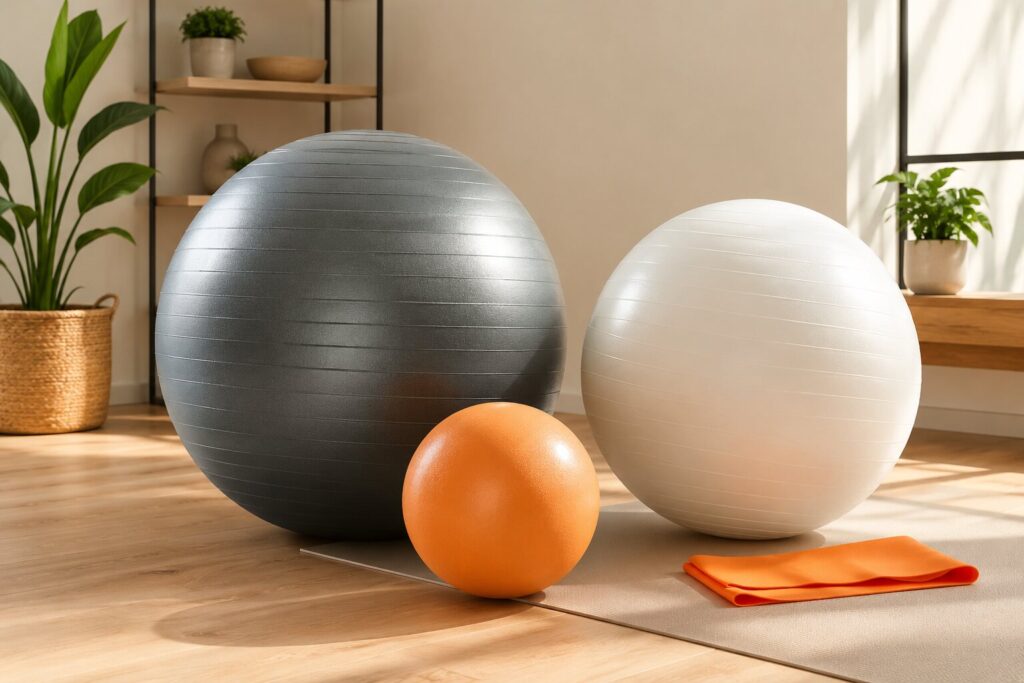
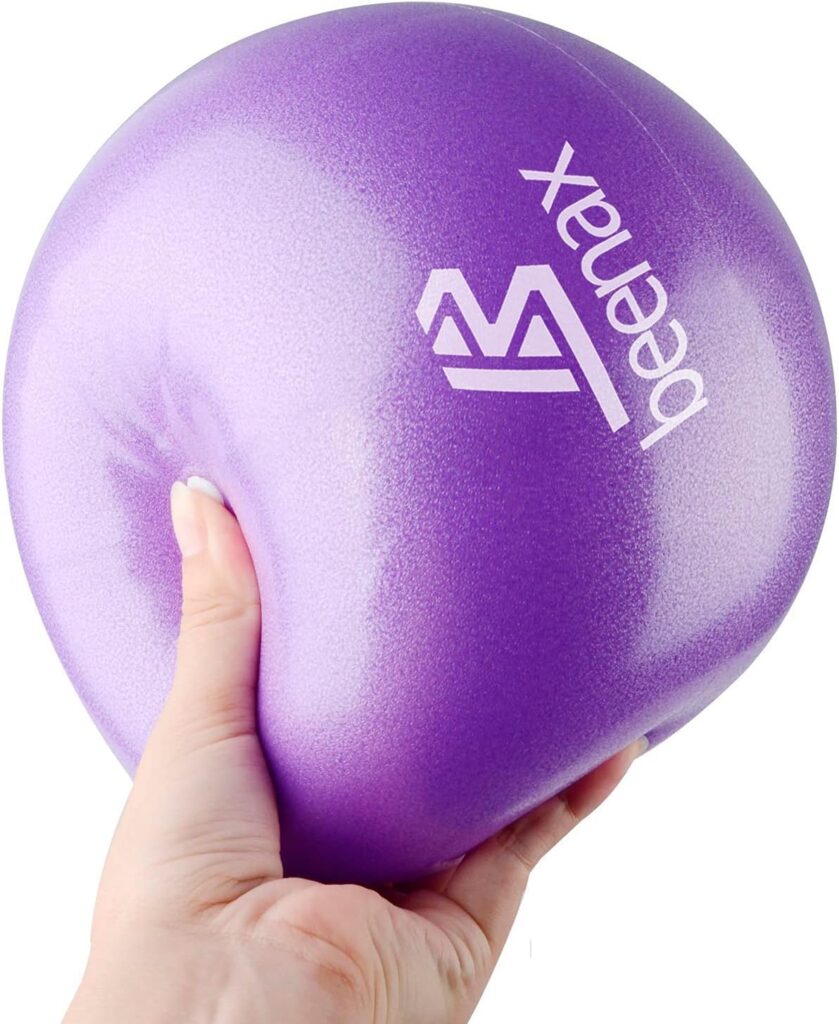
We compared the three best-selling balls on diameter, anti-burst construction, intended use and what comes in the box. Below are a full-size gym ball for core and stability work, a 23cm soft ball for Pilates and physiotherapy, and a birthing ball for pregnancy and labour.
How we tested & chose
Our shortlist comes from Amazon UK’s Best Sellers list in Exercise Balls & Accessories, read on 29 August 2026 — a ranking by units sold, not by relevance or advertising spend. Distributing Care took the top ten, set aside the pumps and accessories that are not balls, and kept the three that serve genuinely different purposes rather than three versions of the same gym ball. Diameter, construction and intended use were checked against each product listing.
What we weighed
Diameter, and matching it to the user’s heightAnti-burst construction and how it failsIntended use: core work, Pilates or pregnancyWhether a pump is included
Compiled by the Distributing Care editorial team from current Amazon UK Best Sellers data. If you are pregnant, recovering from injury or managing a joint condition, take advice from a midwife, GP or chartered physiotherapist on whether ball work is appropriate and which size to use.
The picks, reviewed
No products have been added for United States yet.
Best Overall9.4/ 10 · Care Score
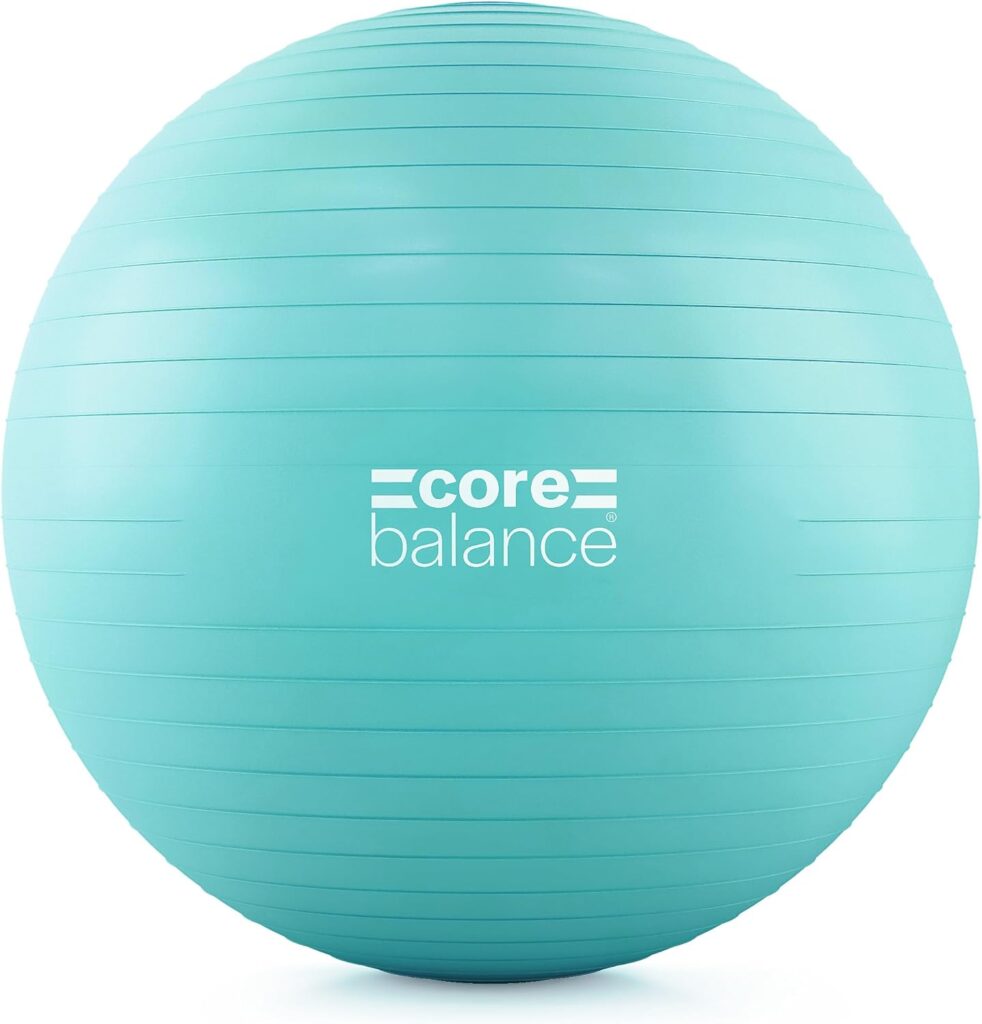
Core Balance Anti-Burst Gym Ball
Rank 1 best seller: the full-size anti-burst ball most people mean when they say exercise ball.
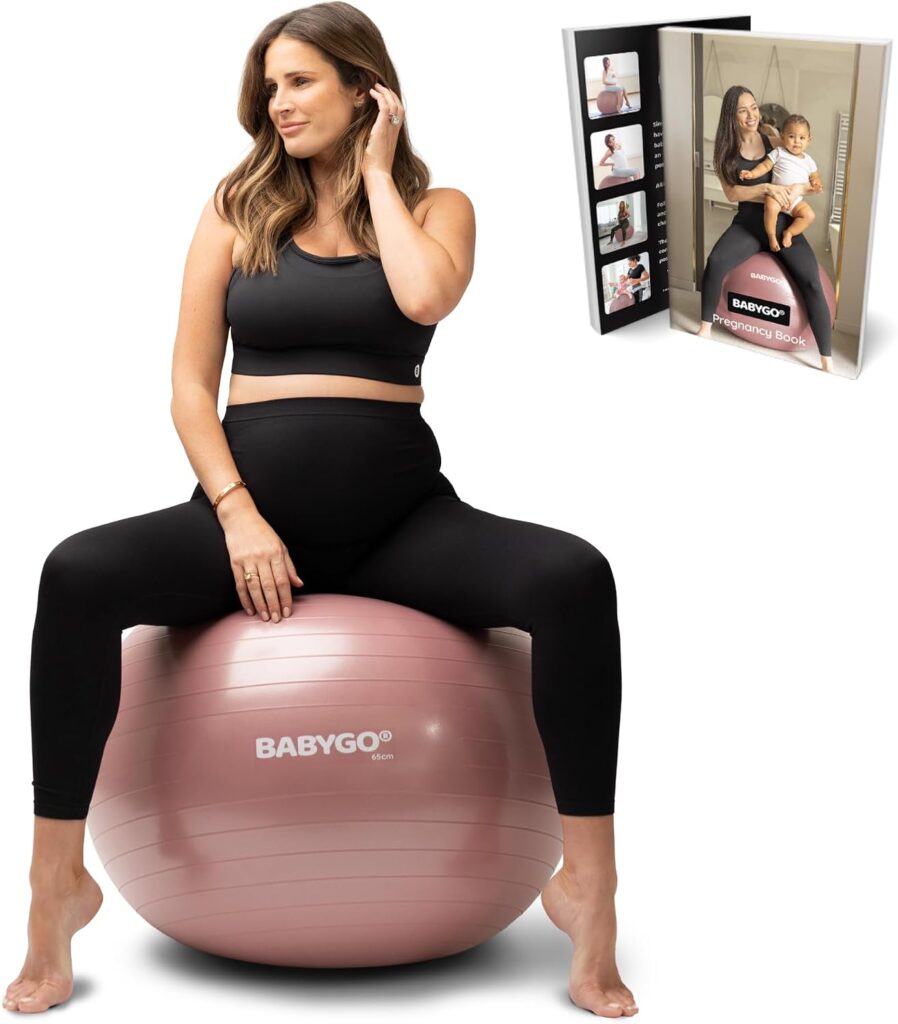
Sold with pregnancy and labour guidance rather than generic instructions
Anti-burst construction matters more when pregnant
Usable as an ordinary gym ball afterwards
Cons
Sizing differs from the standard gym ball height chart
Ranks below the general-purpose balls on the list
No products have been added for United Arab Emirates yet.
Frequently asked questions
Quick answers to what readers ask most about exercise balls.
What size exercise ball do I need?
Size is chosen by your height. The guidance most widely used is 55cm for people up to about 1.63m (5ft 4in), 65cm for roughly 1.63m to 1.78m (5ft 4in to 5ft 10in), and 75cm above that. The practical test matters more than the chart: when you sit on a correctly inflated ball, your hips and knees should both be at about a right angle, with your feet flat on the floor. If your knees sit higher than your hips, the ball is too small.
What does anti-burst actually mean?
Anti-burst describes how the ball fails, not whether it can be punctured. A standard ball that is pierced under load bursts suddenly; an anti-burst ball is made so that a puncture lets it deflate slowly instead, lowering you to the floor over seconds rather than instantly. That distinction matters most if you are sitting on the ball while pregnant, using it with weights, or working alone. Anti-burst balls carry a stated maximum static load, which is not the same as a dynamic weight limit.
Can you use an exercise ball as an office chair?
It is not a straightforward upgrade on a chair. Research into ball sitting has generally not found the postural or core-strength benefits often claimed for it, and some studies report increased discomfort over a long sitting period, partly because a ball offers no back support. If you want to try it, most guidance suggests using it for short spells of 20 to 30 minutes rather than a full working day, alongside a proper adjustable chair, and stopping if it causes any back discomfort.
How is a birthing ball different from a gym ball?
Physically the two are very similar: a birthing ball is an anti-burst exercise ball, usually with a more grippy or textured finish and sold with pregnancy-specific guidance. The meaningful difference is sizing. Birth balls are generally sized so that the hips sit slightly higher than the knees when seated, which often means going a size up from the standard height chart. Birth balls are widely used in UK maternity settings for positioning and comfort during pregnancy and labour, but ask your midwife what is suitable for you before relying on one.
How do you look after an exercise ball?
Inflate a new ball in two stages: part-inflate it, leave it for around 24 hours to let the material stretch, then top it up to the correct diameter. Measure the height rather than guessing, because an over-inflated ball is harder and less stable than it should be. Keep it away from radiators, direct sunlight and anything sharp, including grit trodden in on shoes, and wipe it with mild soapy water rather than solvent cleaners. Expect to re-inflate occasionally, as all balls lose a little air over time.
Some links above are affiliate links. As an Amazon Associate we earn from qualifying purchases, at no extra cost to you. Links go to Amazon.com. Prices are illustrative — check the current price before buying.
Medical disclaimer. This guide is for general information only and is not medical advice. It is not intended to diagnose, treat, cure or prevent any condition. Always speak to a qualified healthcare professional before starting any new product, especially if you have an existing condition or take medication.