We'll tailor buying guides and product links to your country. You can change this anytime from the top bar.
Fitness & Active Health · Buying guide
Best Foam Rollers for Muscle Recovery in 2026
A smooth roller, a trigger-point grid roller and an extra-long roller compared on surface, length and who each one suits — to help you choose the right foam roller for how you actually train.
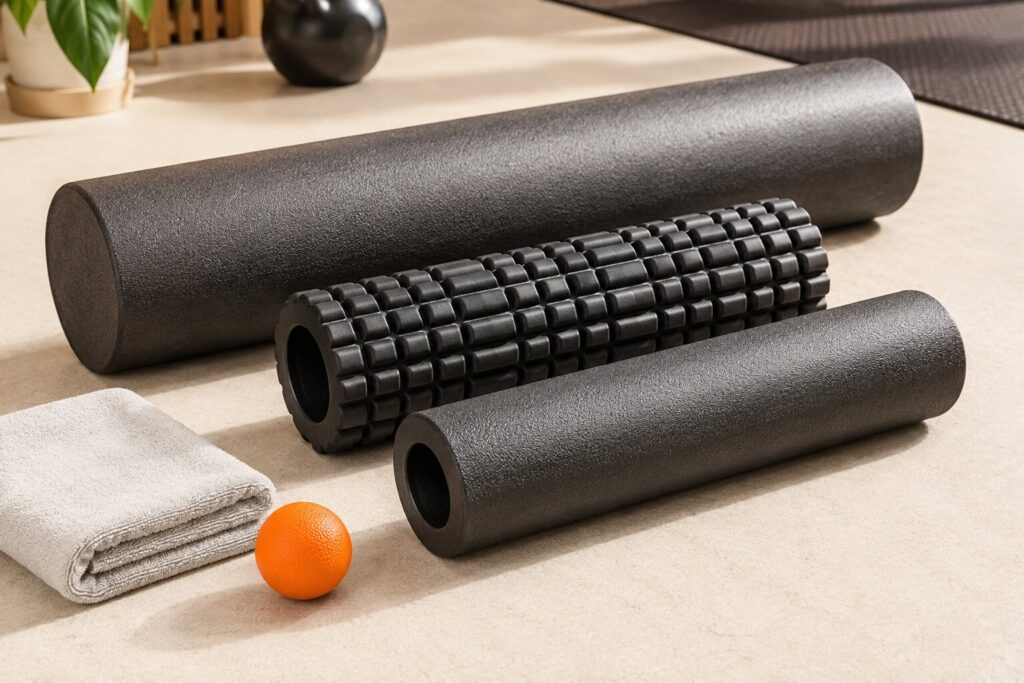
A foam roller is one of the few pieces of recovery equipment that costs little, lasts for years and takes up almost no space, which is why the choice comes down to surface and length rather than anything technical. A smooth roller and a trigger-point grid roller do noticeably different jobs, and an extra-long one does a third. Distributing Care looked at what UK buyers are actually purchasing rather than at what gets marketed hardest.
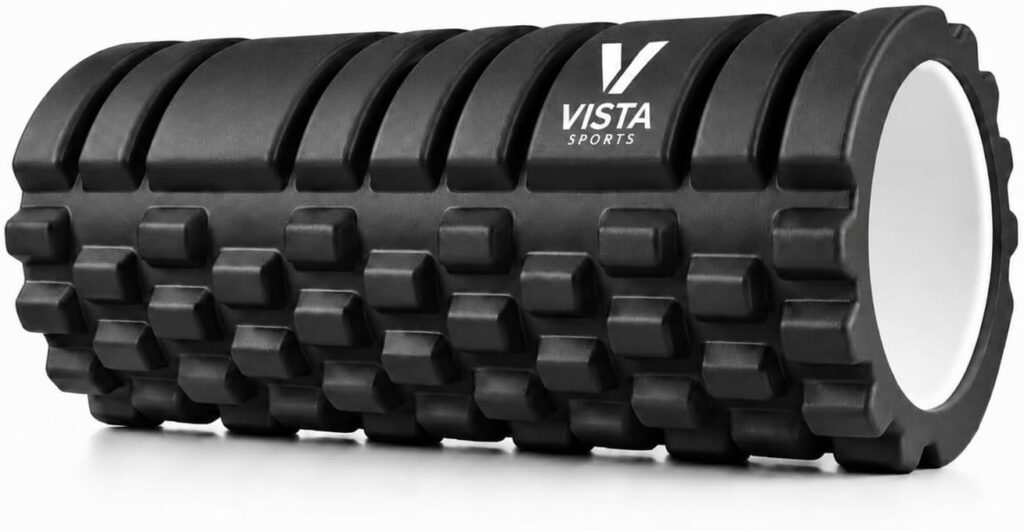
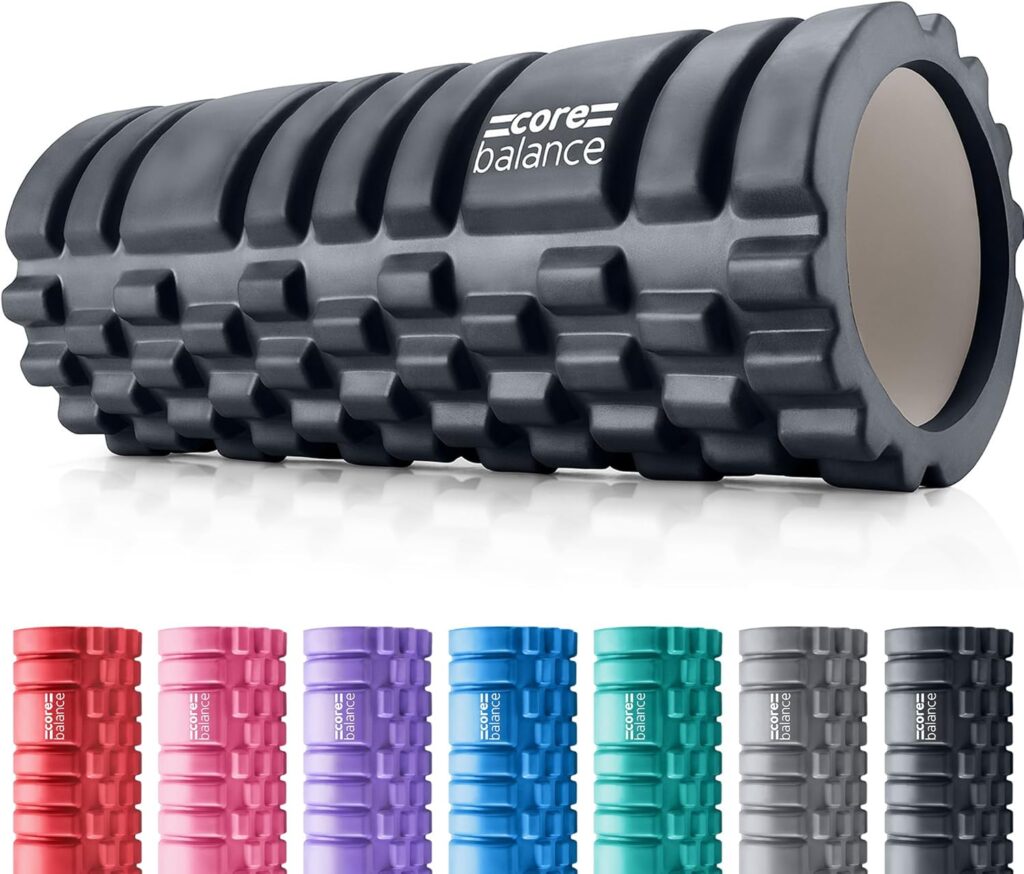
We compared the three best-selling rollers on surface texture, length, firmness and who each one suits: someone easing into rolling for the first time, someone working on one stubborn tight spot, or anyone who wants to lie along the roller lengthways to reach the upper back. Below are the category’s outright best seller, a trigger-point grid roller and an extra-long option.
How we tested & chose
Our shortlist comes from Amazon UK’s Best Sellers list in Foam Rollers, read on 29 August 2026 — a ranking by units sold, not by relevance or advertising spend. Distributing Care took the top ten, set aside the near-duplicate smooth rollers that would have made the same recommendation three times, and kept the three that do genuinely different jobs. Surface type, length and intended use were checked against each product listing.
What we weighed
Surface: smooth, or a trigger-point gridLength, and whether you can lie along itHow forgiving it is for a first-time userWhether it duplicates another pick on the list
Compiled by the Distributing Care editorial team from current Amazon UK Best Sellers data. Foam rolling is a self-massage technique, not a treatment for injury. If you have a diagnosed injury, a joint condition or persistent pain, speak to a GP or a chartered physiotherapist before starting.
The picks, reviewed
No products have been added for United States yet.
Best Overall9.4/ 10 · Care Score
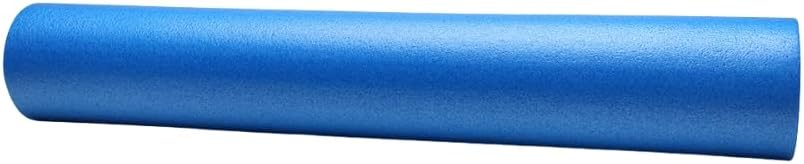
Foam Roller for Deep Tissue Muscle Massage Trigger Point Muscles Enhance Recovery for Physical Therapy and Rehab (Black)
Rank 1 best seller: a plain, high-density roller that suits almost everyone starting out.
Supports the length of the spine when you lie along it
Lightweight to move and store
Smooth surface suits beginners
Cons
Needs more floor space than a standard roller
Sells in lower volume than the top two picks
No products have been added for United Arab Emirates yet.
Frequently asked questions
Quick answers to what readers ask most about foam rollers.
What does a foam roller actually do?
A foam roller applies body-weight pressure to soft tissue, a technique usually called self-myofascial release. The best-supported effects are short term: studies generally find an improved range of movement immediately after rolling, and lower perceived muscle soreness in the days following hard exercise. Evidence that rolling prevents injury or lastingly changes the structure of tissue is much weaker. It is best treated as a mobility and comfort tool that helps you move more easily, rather than as a treatment.
How long should you spend on a foam roller?
Commonly suggested practice is 30 to 60 seconds per muscle group, moving slowly rather than rolling quickly back and forth. A whole-body session covering calves, quadriceps, hamstrings, glutes and upper back therefore takes roughly five to ten minutes. Longer is not obviously better and there is no good evidence that extended sessions add benefit. Rolling before exercise is generally used to improve range of movement; rolling afterwards is more often used for soreness.
Should foam rolling hurt?
No. Foam rolling should feel like firm, tolerable pressure rather than sharp pain. A practical guide is that you should be able to breathe normally and hold a conversation while you do it. Sharp or radiating pain is a signal to stop, not to push through. If one specific spot is painful every time you roll it, that is worth raising with a chartered physiotherapist rather than working at it harder at home.
Is a smooth or a textured foam roller better?
Neither is better in general, because they suit different purposes. A smooth roller spreads pressure evenly across a broad area, which makes it more comfortable for beginners and well suited to large muscle groups such as the quadriceps and the upper back. A textured or grid roller concentrates pressure into smaller points, which feels more intense and is used to work on one specific tight area. Many people start with a smooth roller and add a textured one later.
When should you avoid foam rolling?
Avoid rolling directly over an acute injury, a fresh bruise, an open wound, a recent fracture, or any area that is hot and swollen. Do not roll over bony areas or joints, and avoid rolling the lower back directly, since the spine is unsupported there — roll the glutes and the upper back instead. If you are pregnant, or have osteoporosis, a blood-clotting disorder, varicose veins, nerve damage related to diabetes or any diagnosed joint condition, take advice from a GP or a chartered physiotherapist first.
Some links above are affiliate links. As an Amazon Associate we earn from qualifying purchases, at no extra cost to you. Links go to Amazon.com. Prices are illustrative — check the current price before buying.
Medical disclaimer. This guide is for general information only and is not medical advice. It is not intended to diagnose, treat, cure or prevent any condition. Always speak to a qualified healthcare professional before starting any new product, especially if you have an existing condition or take medication.