We'll tailor buying guides and product links to your country. You can change this anytime from the top bar.
Skincare & Dermatology · Buying guide
Best Foot Creams for Dry, Cracked Heels in 2026
Three foot creams compared on urea strength, format and the type of dryness each one is built for — to help you choose between daily maintenance and intensive repair.
Choosing a foot cream comes down to one question: are you maintaining skin that gets dry, or repairing heels that have already split? The two jobs need different products. Daily moisturisers keep skin supple and are gentle enough for indefinite use; keratolytic creams containing urea actively soften and break down hardened skin, and are stronger than most people need every day. Buying the wrong one is why so many tubs of foot cream stall half-used in a bathroom cabinet.
Distributing Care compared the three best-selling foot creams below on urea strength, format, quantity and the skin type each listing is written for. All three come from Amazon UK’s Best Sellers list for foot creams, and each one covers a different job — a protective daily jar, a 10% urea treatment cream, and a concentrated repair cream for heels that are already cracked.
How we tested & chose
Distributing Care built this shortlist from Amazon UK’s Best Sellers list in Foot Creams, taking the top ten by units sold and working down in rank order. We deliberately picked across three different jobs rather than three variations of the same one, because the top ten is dominated by repeat formats and sizes of a handful of brands.
Every specification below — urea percentage, quantity, format and stated skin type — is taken from the manufacturer’s own listing on the day of writing. We do not claim to have measured skin outcomes, and nothing here is a substitute for a podiatrist.
What we weighed
Urea strength, and whether the formulation is for maintenance or active repairFormat and quantity — jar versus tube, and how long a pack realistically lastsStated skin type, including hypoallergenic and sensitive-skin suitabilityFinish — whether the cream absorbs quickly enough to put socks on afterwards
Foot creams are cosmetic moisturisers, not medicines. Cracked heels that bleed, weep, smell or fail to improve after a fortnight of regular moisturising need a GP, pharmacist or podiatrist. Anyone with diabetes, peripheral neuropathy or reduced circulation in the feet should take any skin break seriously and seek professional foot care rather than self-treating.
The picks, reviewed
No products have been added for United States yet.
Best Overall9.4/ 10 · Care Score
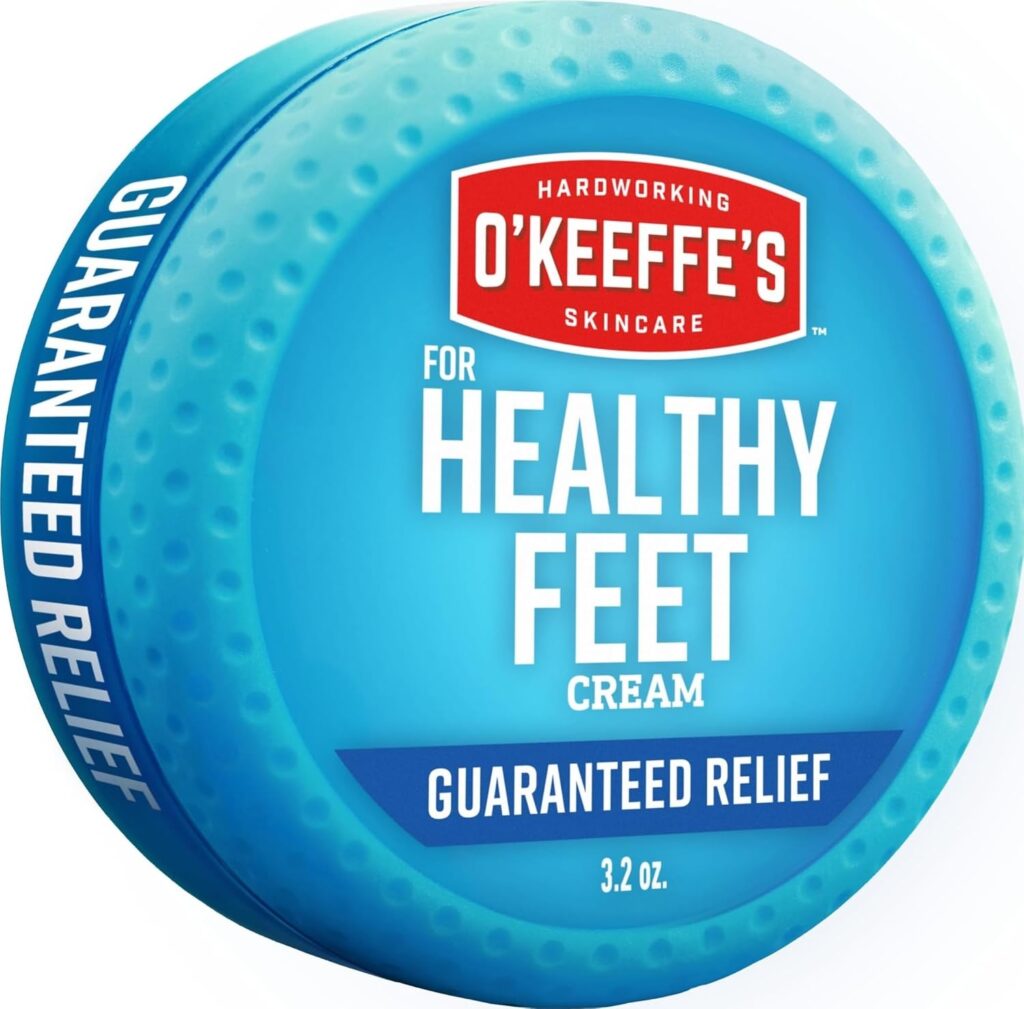
O'Keeffe's Healthy Feet Jar 91g - Foot Cream for Very Dry Skin, Cracked Heels and Feet | Instantly Boosts Moisture Levels, Creates a Protective Layer & Prevents Moisture Loss | Repairs Extremely Cracked, Dry Feet, Retains Moisture Levels, Hypoallergenic, Non-Greasy, Instantly Boosts Moisture
Rank 2 in Amazon UK's Foot Creams best sellers, and the most broadly usable of the three — hypoallergenic and non-greasy enough for daily use on skin too sore for urea.
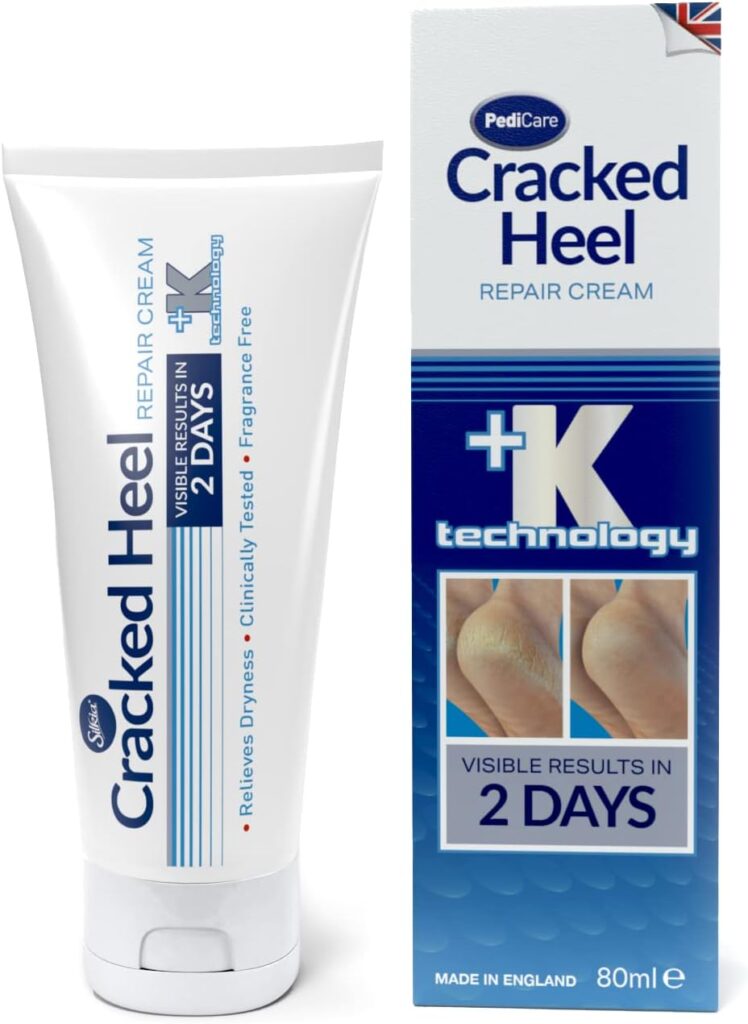
Silkia PEDICARE Cracked Heel Repair Cream | 48hr Active Skin Repair | Clinically Tested | 35 ml
Rank 9 in the list and the most concentrated of the three — a small tube aimed squarely at heels that have already cracked, rather than at daily upkeep.
No products have been added for United Arab Emirates yet.
Frequently asked questions
Quick answers to what readers ask most about foot creams and cracked heels.
What strength of urea should a foot cream have?
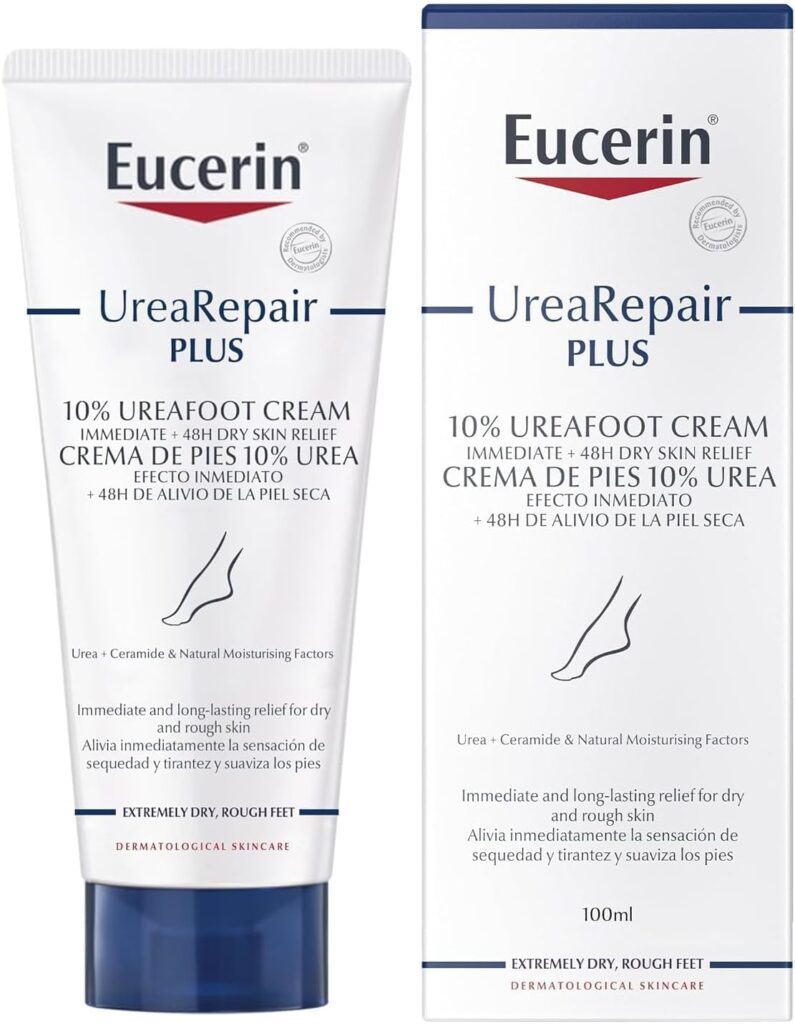
It depends on the job. Around 10% urea, as in the Eucerin cream here, is a moisturising strength suitable for regular use on dry feet. Higher concentrations act more as keratolytics, softening and shedding thickened skin, and are aimed at heavy callus rather than everyday care. If your skin is dry but intact, start low; higher strengths can sting on skin that is already split. Anyone unsure, or with sensitive skin, should ask a pharmacist.
How long does a cracked heel take to improve?
Most people see softening within a week or two of consistent daily application, but consistency matters more than the product. Skin on the heel is thick and slow to turn over, so a cream applied once every few days will not keep up with the rate at which hard skin builds. Applying at night and covering with cotton socks keeps the cream in contact for longer. If there is no improvement after a fortnight, see a podiatrist or GP rather than switching to a stronger cream.
Can I use a foot cream on cracked heels that are bleeding?
No — a bleeding or weeping heel fissure is a break in the skin and needs assessment, not a cosmetic moisturiser. Urea creams in particular can sting badly on open skin. A split deep enough to bleed is an infection risk, and the NHS advises anyone with diabetes to have any foot wound looked at promptly because reduced sensation and circulation can allow a small crack to become serious. See a pharmacist, GP or podiatrist first, then use a moisturiser to prevent recurrence once the skin has closed.
Should I file hard skin before applying foot cream?
Gentle filing of dry hard skin with a foot file can help a cream penetrate, but it is easy to overdo. Remove a little at a time, work on dry rather than soaked skin, and stop well before the skin feels tender or thin — over-filing prompts the foot to build callus back faster. Never use a razor blade or corn plane at home. People with diabetes, neuropathy or circulation problems should not file their own feet at all and should see a podiatrist.
Is a foot cream different from a body moisturiser?
Yes. The skin on the sole and heel is far thicker than elsewhere on the body and has no sebaceous glands, so foot creams are formulated richer and are more likely to include urea or other agents that soften hardened skin. A general body lotion will moisturise feet to some extent but is rarely concentrated enough to shift established callus. Conversely, a high-urea foot cream is too strong for routine use on thin skin such as the face.
Some links above are affiliate links. As an Amazon Associate we earn from qualifying purchases, at no extra cost to you. Links go to Amazon.com. Prices are illustrative — check the current price before buying.
Medical disclaimer. This guide is for general information only and is not medical advice. It is not intended to diagnose, treat, cure or prevent any condition. Always speak to a qualified healthcare professional before starting any new product, especially if you have an existing condition or take medication.