We'll tailor buying guides and product links to your country. You can change this anytime from the top bar.
Oral Health · Buying guide
Best Interdental Cleaners for Healthier Gums in 2026
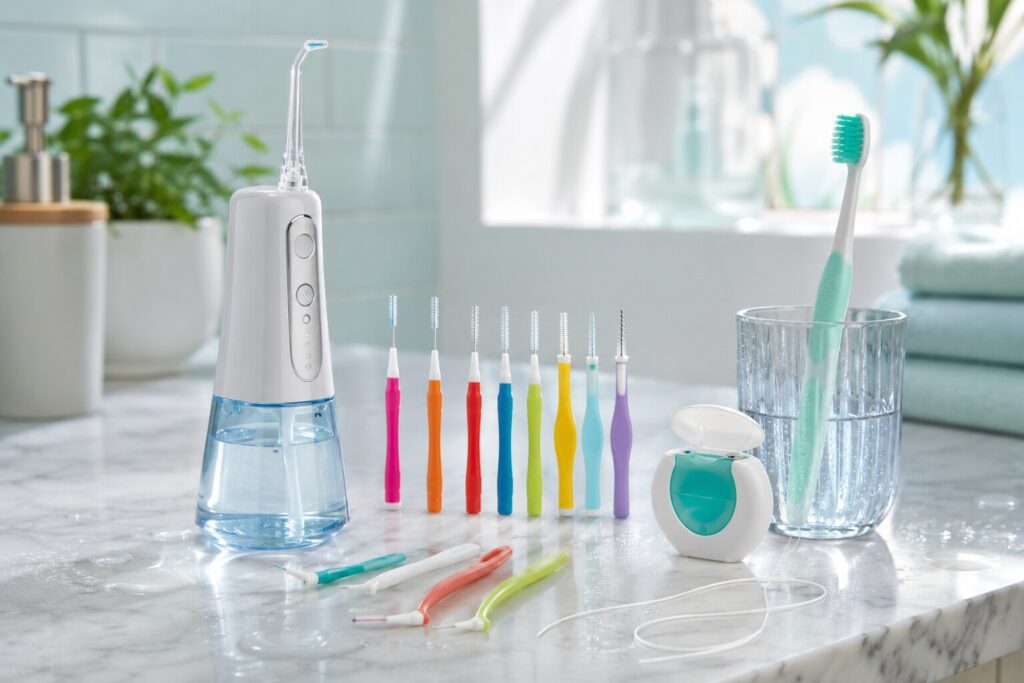
An interdental brush, a cordless water flosser and a waxed tape floss compared on gap size, technique and daily upkeep — to help you choose the between-teeth clean you will actually keep up.
Cleaning between the teeth is the part of the routine most people skip, and it is the part a toothbrush genuinely cannot do. Bristles do not reach the flat surfaces where two teeth meet, which is where plaque accumulates and where gum inflammation usually begins. The practical question is not whether to clean between your teeth, but which method you will actually keep up every night.
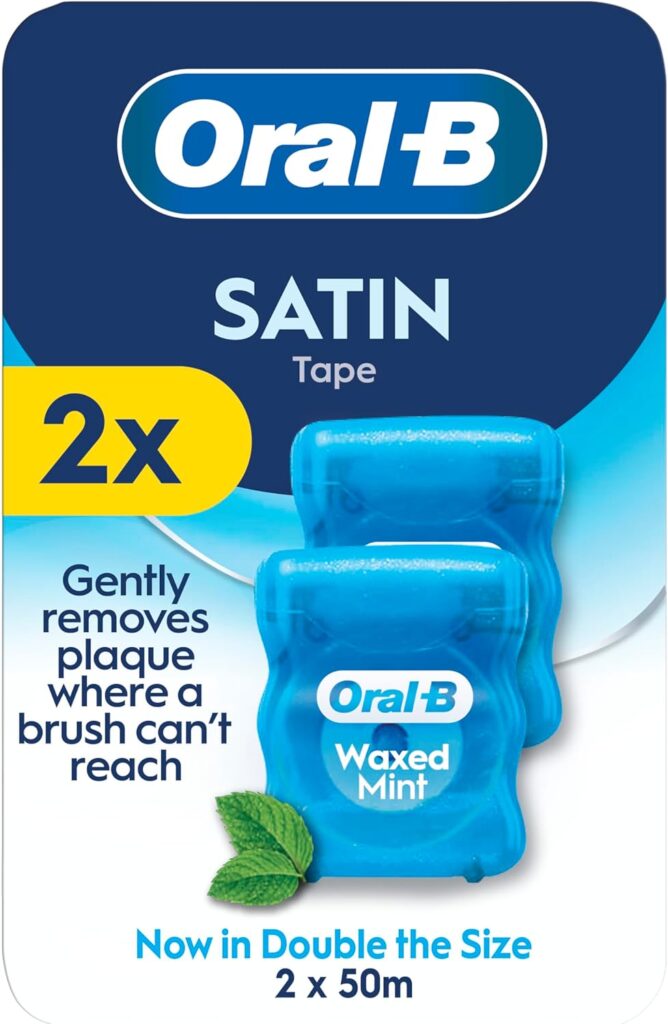
Distributing Care compared the three approaches that dominate Amazon UK’s Interdental Cleaning best sellers: a colour-sized interdental brush, a cordless water flosser and a waxed tape floss. Each suits a different gap size and a different level of dexterity, so the picks below are separated by the job each one does.
How we tested & chose
Our shortlist comes from the top ten of Amazon UK’s Best Sellers in Interdental Cleaning — ranked by units sold, not by search relevance. Distributing Care then checked each listing for stock, variant accuracy and UK availability, and cross-referenced the technique guidance against NHS oral health advice.
What we weighed
The gap size each method is designed forHow much technique and dexterity it demandsDaily upkeep, charging and replacementWhether it copes with braces, bridges and implants
Specifications are taken from the live listings on the day of writing. This article is general information rather than a clinical assessment — a dentist or hygienist can measure your gaps and advise which sizes and methods suit your mouth.
The picks, reviewed
No products have been added for United States yet.
Best Overall9.4/ 10 · Care Score
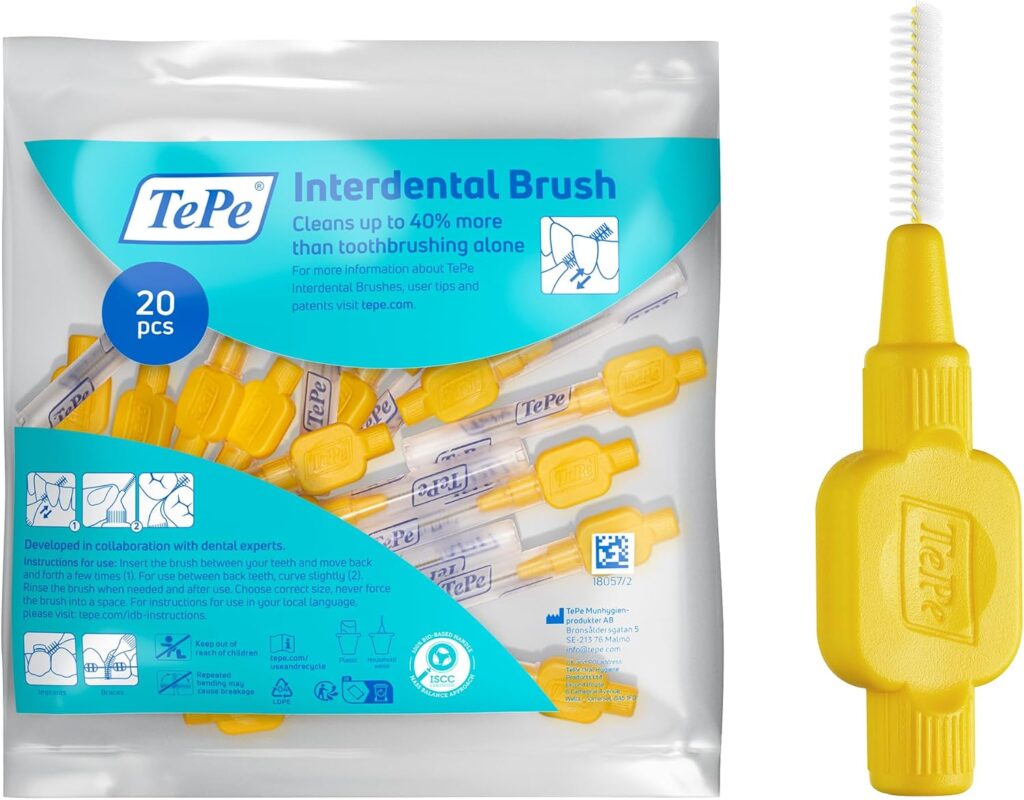
TePe Interdental Brush, Original, Yellow, 0.7mm/ISO 4, 20pcs | Effective cleaning between teeth, Plaque remover and brush for small gaps
The number one best seller in Amazon UK's Interdental Cleaning list, and the size most adults are handed first.
Best for Braces and Bridgework9.1/ 10 · Care Score
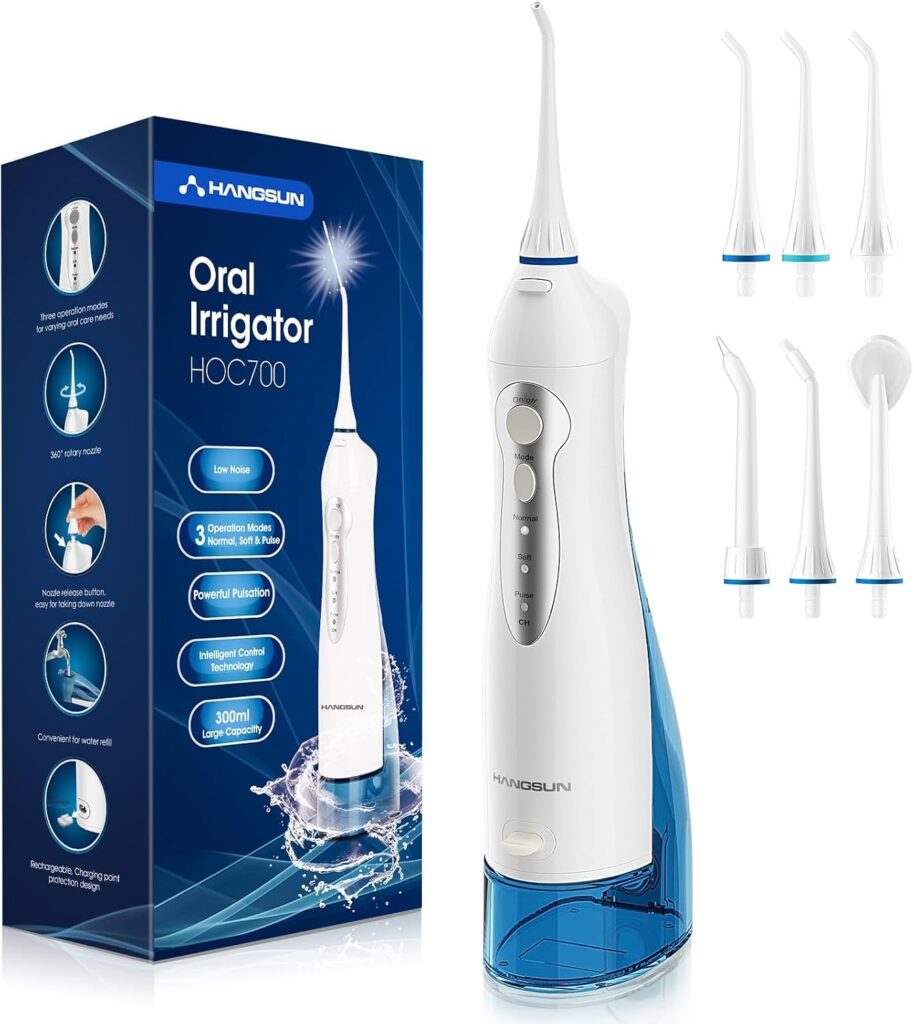
Hangsun Water Flosser Cordless Oral Irrigator Rechargeable Dental Water Jet HOC700 for Teeth Braces with 300ML Water Tank and 6 Jet Tips for Travel & Home Use
Rank 4 in the same list, and the easiest route to a clean where brushes cannot get around fixed appliances.
No products have been added for United Arab Emirates yet.
Frequently asked questions
Quick answers to what readers ask most about cleaning between the teeth.
How often should you clean between your teeth?
Every day. NHS advice is to clean between the teeth daily in addition to brushing twice a day with a fluoride toothpaste, because brushing alone leaves the surfaces where teeth touch uncleaned. The method matters less than the consistency — a brush, a floss or a water flosser used nightly will do more for gum health than the best tool used occasionally.
Are interdental brushes better than floss?
Where the gap is wide enough to take one, an interdental brush is usually easier to use well than floss, which is why dental teams often suggest a brush first. Floss keeps its place for contacts that are too tight for even the smallest brush head. Most adults end up using both in different parts of the mouth rather than choosing one outright.
What size interdental brush do I need?
More than one, in most cases. Interdental brushes are colour-coded by diameter — the TePe Original yellow in this roundup is 0.7mm, ISO size 4 — and gaps vary from the front of the mouth to the back within the same set of teeth. A hygienist can measure your spaces and tell you which sizes to buy. A brush that is too large can irritate the gum, and one that is too small will not clear the plaque.
Does a water flosser replace flossing?
A water flosser is an addition to brushing rather than a replacement for it, and it earns its place where string floss and brushes are difficult to use — around fixed braces, bridgework and implants. It flushes debris and disrupts plaque with a pressurised jet, so it demands far less dexterity, but it does not scrape the tooth surface the way a brush or a length of floss does.
Is it normal for gums to bleed when you start cleaning between your teeth?
Some bleeding in the first few days is common when interdental cleaning is new, and it usually settles within a week or two as gum inflammation reduces. Bleeding that carries on beyond that, or that is heavy, should be checked by a dentist or hygienist rather than treated as normal.
Some links above are affiliate links. As an Amazon Associate we earn from qualifying purchases, at no extra cost to you. Links go to Amazon.com. Prices are illustrative — check the current price before buying.
Medical disclaimer. This guide is for general information only and is not medical advice. It is not intended to diagnose, treat, cure or prevent any condition. Always speak to a qualified healthcare professional before starting any new product, especially if you have an existing condition or take medication.