We'll tailor buying guides and product links to your country. You can change this anytime from the top bar.
Baby & Maternal Healthcare · Buying guide
Best Nappy Creams for Nappy Rash in 2026
Three nappy creams compared on barrier chemistry, ingredients and how they sit on sore skin — a provitamin B5 ointment, a zinc oxide cream and an oat-based lotion.
Nappy rash happens when skin sits against moisture, so the job of a nappy cream is to put a barrier between the two rather than to treat an infection. Barriers are built in three genuinely different ways: a breathable provitamin B5 ointment, a zinc oxide film, or an oat-based lotion for skin that reacts to the usual options. Distributing Care compared the highest-ranked usable example of each.
We took Amazon UK’s Best Sellers in Nappy Creams and worked down the top ten. Half of that list is the same brand in different pack sizes, so rather than compare tub sizes we picked across the three barrier chemistries the list contains, and compared them on ingredients, texture and how each behaves on skin that is already sore.
How we tested & chose
Distributing Care built this shortlist from Amazon UK’s Best Sellers in Nappy Creams, working down the top ten in rank order rather than from a search. We compared the barrier ingredient each product relies on, what the listing states about fragrance, lanolin and age suitability, and the format it comes in; every product name, photograph and stock status was checked against the live Amazon UK listing on 12 August 2026.
What we weighed
Barrier ingredient and how it forms a filmFragrance, lanolin and allergen statementsAge suitability stated on the listingFormat, texture and how it applies to sore skin
Reviewed by the Distributing Care editorial team. A nappy cream is a barrier product, not a treatment for infection. A rash that spreads, blisters, bleeds or does not improve within a few days, or one that comes with a temperature, should be seen by a GP, pharmacist or health visitor — it may be thrush or a bacterial infection, which need different treatment.
The picks, reviewed
No products have been added for United States yet.
Best Overall9.4/ 10 · Care Score
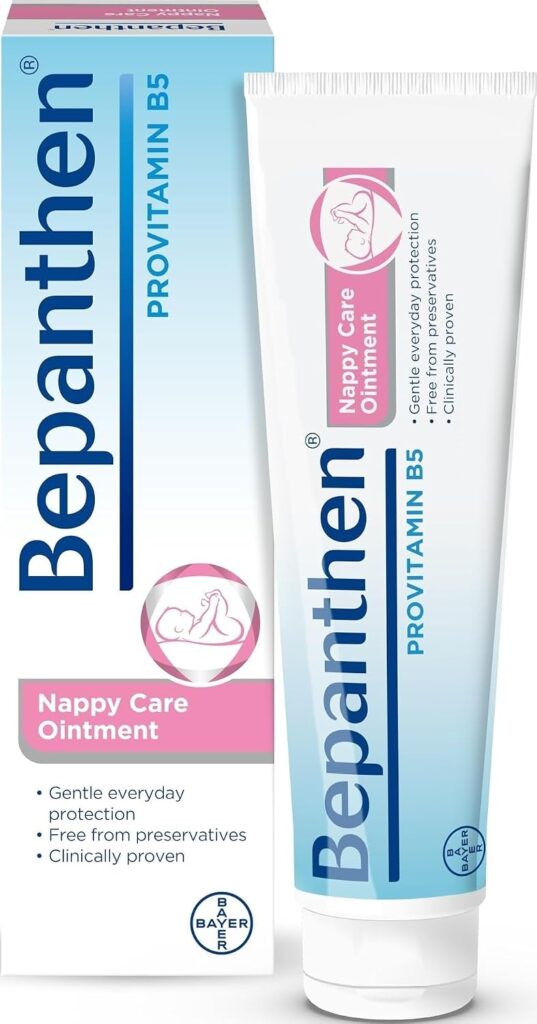
Bepanthen Nappy Care Ointment | Nappy Cream with Provitamin B5 | Suitable for Newborns Skin, 100 g (Packing May Vary). | Protects Baby's Skin From Nappy Rash, With A Gentle Barrier Ointment
Rank 1 in Amazon UK's Nappy Creams best sellers — a breathable provitamin B5 barrier stated as suitable for newborn skin.
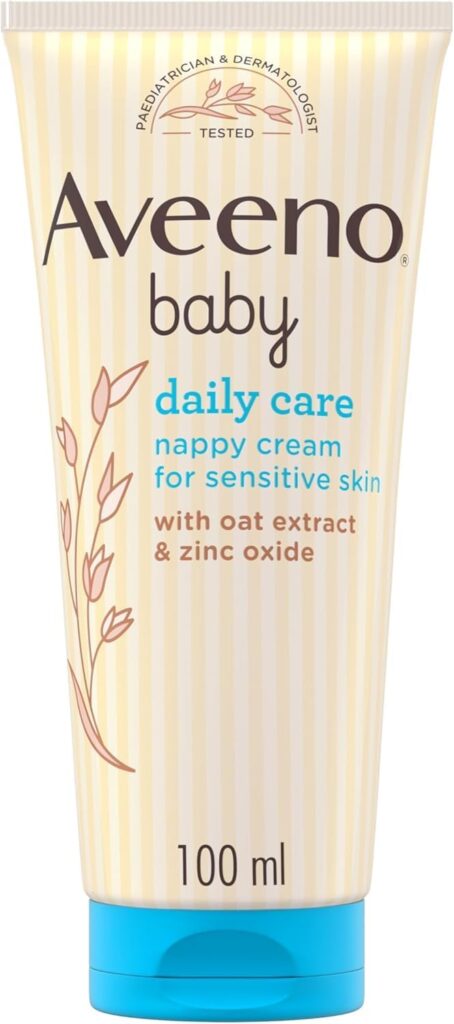
Aveeno Baby Daily Care Nappy Cream for Sensitive Skin (1 x 100ml) | Soothes Delicate Skin, a Preventative Nappy Rash Lotion with Long-Lasting Protection, Suitable for Skin Prone to Baby Eczema
Rank 8 in the list — an oat-based lotion for skin that reacts to heavier barrier creams.
Lighter lotion texture for skin that reacts to thick creams
Formulated for sensitive, delicate baby skin
Absorbs without a heavy white residue
Cons
Lighter film needs reapplying more often
Smallest pack of the three
No products have been added for United Arab Emirates yet.
Frequently asked questions
Quick answers to what readers ask most about nappy creams.
What is the best way to treat nappy rash?
Keep the skin clean, dry and away from moisture, then protect it with a barrier cream. Frequent nappy changes, gentle drying rather than rubbing, and time without a nappy where practical do most of the work; the cream’s role is to stop urine and stool reaching skin that is already sore. A barrier product cannot clear an infection, so a rash that is not improving needs medical advice rather than a stronger cream.
Should a nappy cream contain zinc oxide?
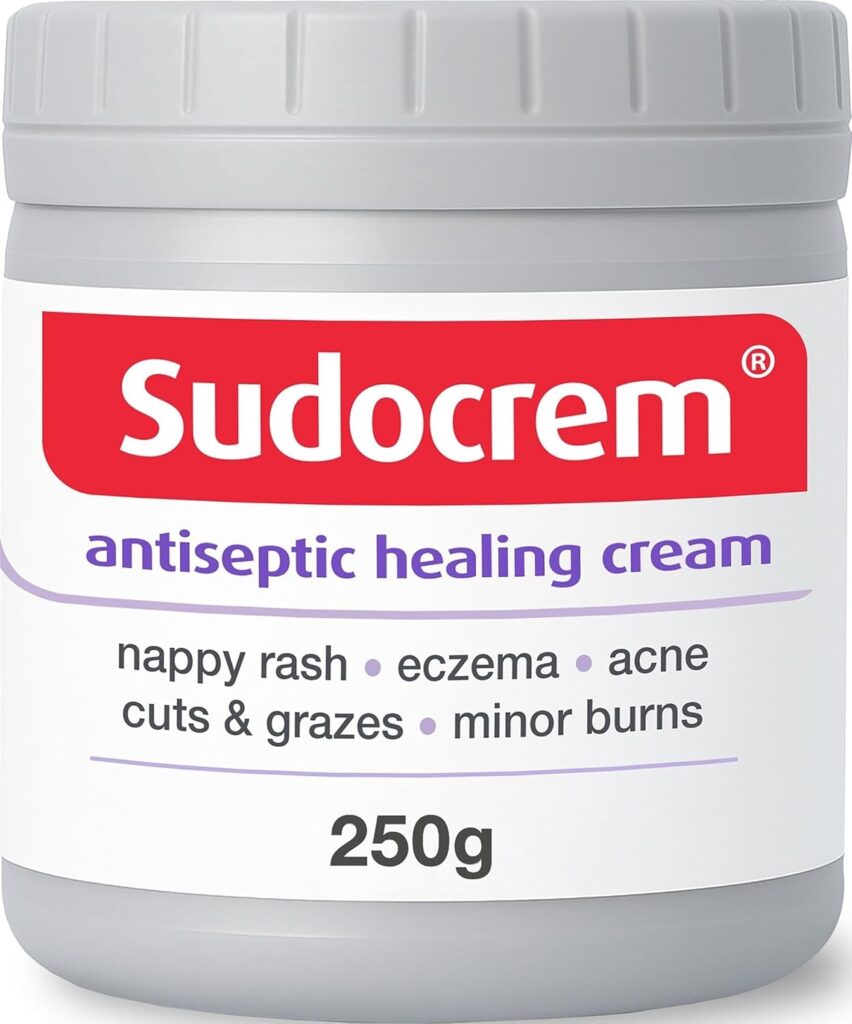
Not necessarily — zinc oxide is one of three common approaches, not the only one. Zinc oxide creams such as Sudocrem leave a visible white film that is highly water-repellent. Provitamin B5 ointments such as Bepanthen form a thinner, breathable layer. Oat-based lotions such as Aveeno Baby suit skin that reacts to heavier formulations. Which suits your baby depends on their skin, not on which ingredient sells best.
Can you use nappy cream at every change?
Most barrier creams are designed for use at every change, and the packs on this page are sold for daily use — but follow the directions on the product you buy. Apply a thin layer to clean, dry skin rather than a thick one, because a heavy layer traps moisture underneath and stops the nappy absorbing. There is no need to scrub off the previous layer at each change.
What if the cream itself seems to irritate the skin?
Stop using it and switch to a formulation with fewer potential irritants. Fragrance and lanolin are the two ingredients most often behind a reaction, and some products state on the listing that they are free from both. If the skin worsens after changing product, or you are not sure whether you are seeing a reaction or a worsening rash, ask a pharmacist or health visitor before trying a third cream.
When is nappy rash something more than nappy rash?
Get it checked if the rash blisters, bleeds, weeps, spreads into the skin folds, has small spots around its edge, or has not improved after a few days of good barrier care — and always if your baby has a temperature or seems unwell. Rash in the creases often points to thrush, which needs an antifungal rather than a barrier cream. Speak to a GP, pharmacist or health visitor.
Some links above are affiliate links. As an Amazon Associate we earn from qualifying purchases, at no extra cost to you. Links go to Amazon.com. Prices are illustrative — check the current price before buying.
Medical disclaimer. This guide is for general information only and is not medical advice. It is not intended to diagnose, treat, cure or prevent any condition. Always speak to a qualified healthcare professional before starting any new product, especially if you have an existing condition or take medication.