We'll tailor buying guides and product links to your country. You can change this anytime from the top bar.
Supplements & Nutrition · Buying guide
Best Omega-3 Supplements for Heart Health in 2026
Three omega-3 supplements compared on EPA and DHA content, source and capsule count — to help you choose between concentrated fish oil, cod liver oil and algae.
Omega-3 is one of the few supplement categories with an authorised health claim behind it in Great Britain: EPA and DHA contribute to the normal function of the heart, at a combined intake of 250mg a day. That single figure is the most useful thing a buyer can carry into the category, because it turns a wall of similar-looking bottles into a simple test — does a daily serving clear 250mg of EPA plus DHA, and does the label tell you?
Distributing Care compared the three omega-3 supplements below on EPA and DHA per serving where the listing states it, the source of the oil, capsule count and dietary suitability. They come from the top of Amazon UK’s Best Sellers list for essential fatty acids, and they deliberately cover three different sources: concentrated fish oil, cod liver oil, and algae oil for anyone avoiding fish entirely.
How we tested & chose
Distributing Care drew this shortlist from Amazon UK’s Best Sellers in Essential Fatty Acids, then compared each product against the 250mg combined EPA and DHA intake on which the authorised GB heart claim is based. Figures come from the manufacturers’ own listings and from published NHS advice on oily fish; we do not quote prices, which move without notice.
What we weighed
EPA and DHA per serving, against the 250mg daily figureSource — concentrated fish oil, fish liver oil or algaeWhether the label states EPA and DHA separatelyCapsule count and dietary suitability
Fish liver oils such as cod liver oil also contain vitamin A, and the NHS advises against taking supplements containing vitamin A during pregnancy. If you are pregnant, taking anticoagulant medication or managing a heart condition, speak to your GP or pharmacist before starting an omega-3 supplement.
The picks, reviewed
No products have been added for United States yet.
Best Overall9.4/ 10 · Care Score
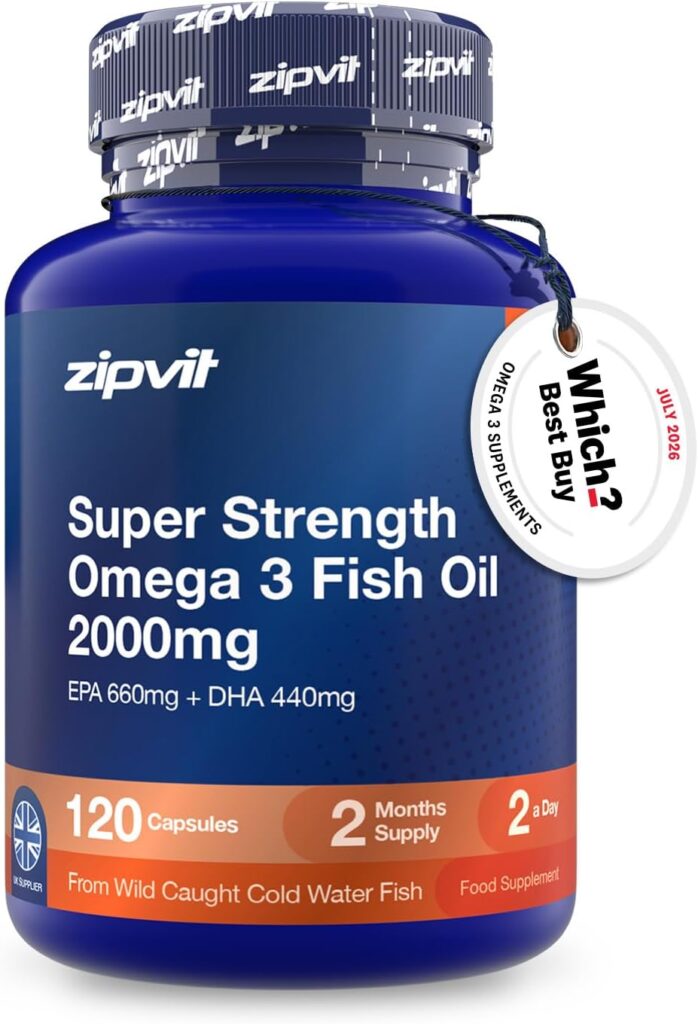
Zipvit Omega 3 Fish Oil 2000mg - EPA 660mg DHA 440mg - 120 Softgels
States EPA and DHA plainly on the label, and clears the 250mg figure several times over.
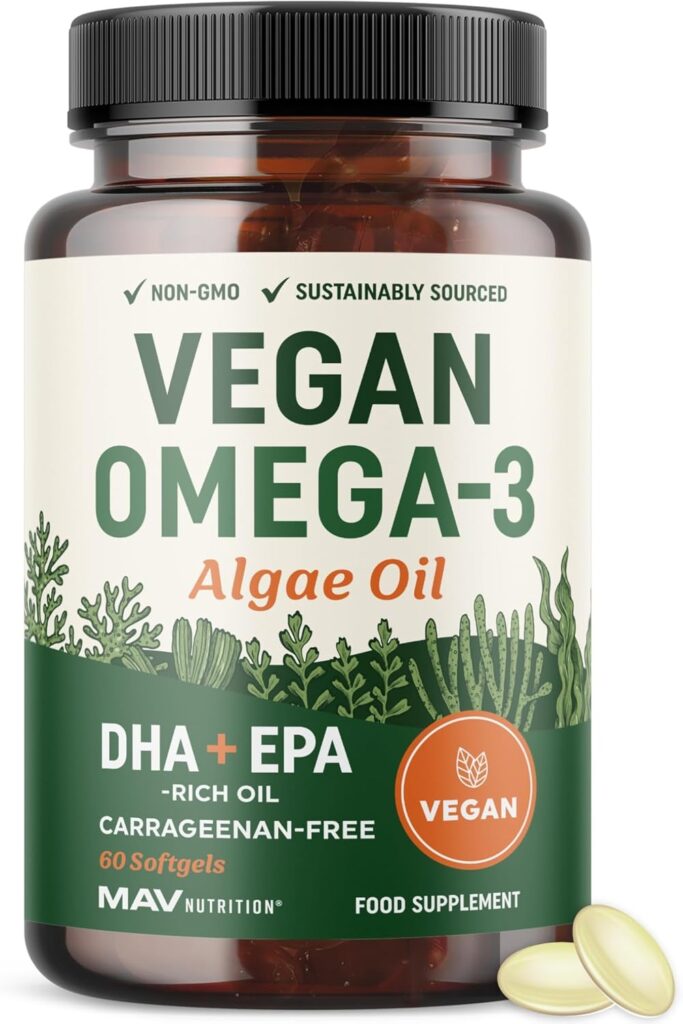
Algae is the original source in the marine food chain
Non-GMO
Cons
Lowest-placed of our three picks in the category
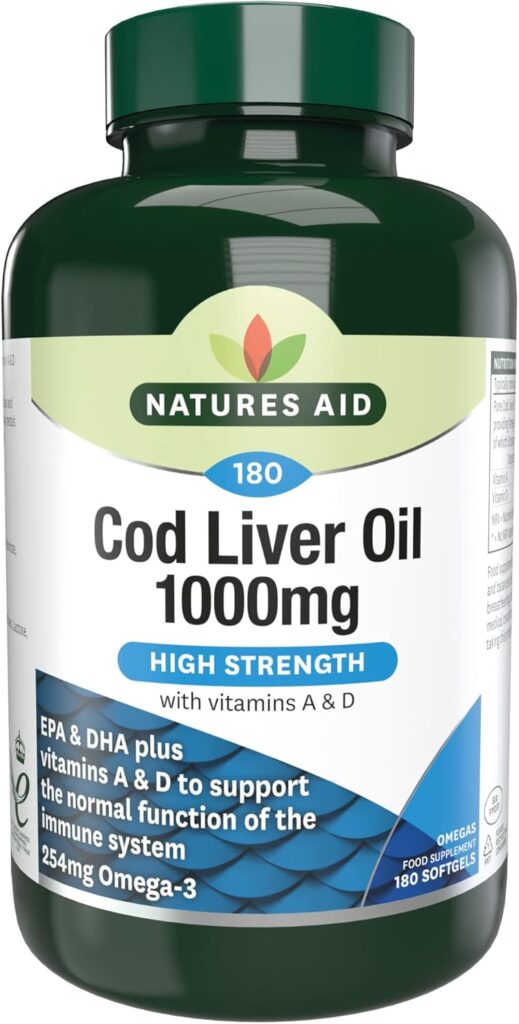
No vitamins A and D, which fish liver oils provide
No products have been added for United Arab Emirates yet.
Frequently asked questions
Quick answers to what readers ask most about omega-3 supplements.
How much omega-3 should I take a day?
The authorised claim in Great Britain that EPA and DHA contribute to the normal function of the heart is based on a combined daily intake of 250mg. That is the benchmark to check a label against. Read the EPA and DHA figures rather than the headline oil weight — a 1,000mg fish oil capsule contains considerably less than 1,000mg of EPA and DHA.
What is the difference between EPA and DHA?
EPA and DHA are the two long-chain omega-3 fatty acids found in oily fish and in the algae that fish get them from. GB’s authorised heart claim refers to the two of them combined rather than to either one alone, so for that purpose what matters is the total. Products vary widely in the ratio between them, and most list both separately on the label.
Can vegans get omega-3 without fish oil?
Yes — algae oil supplies EPA and DHA directly and contains no fish. Algae is where the fatty acids originate in the marine food chain, and oily fish accumulate them by eating it, so an algae supplement skips a step rather than substituting something different. Plant sources such as flaxseed supply ALA instead, which the body converts to EPA and DHA only inefficiently.
Is cod liver oil the same as fish oil?
No. Cod liver oil is pressed from the liver rather than the flesh, so it carries vitamins A and D alongside its omega-3, while a concentrated fish oil is usually higher in EPA and DHA per capsule. The vitamin A matters in practice: the NHS advises avoiding supplements containing vitamin A, including cod liver oil, during pregnancy.
Do I still need an omega-3 supplement if I eat oily fish?
NHS advice is to eat at least two portions of fish a week, one of which should be oily — for example salmon, mackerel, sardines or trout. Someone consistently meeting that has a dietary source of EPA and DHA already. A supplement is most useful for people who do not eat fish, dislike it, or find they manage the two portions only occasionally.
Some links above are affiliate links. As an Amazon Associate we earn from qualifying purchases, at no extra cost to you. Links go to Amazon.com. Prices are illustrative — check the current price before buying.
Medical disclaimer. This guide is for general information only and is not medical advice. It is not intended to diagnose, treat, cure or prevent any condition. Always speak to a qualified healthcare professional before starting any new product, especially if you have an existing condition or take medication.