We'll tailor buying guides and product links to your country. You can change this anytime from the top bar.
Pain Relief · Buying guide
Best TENS Machines for Drug-Free Pain Relief in 2026
A dual-channel wired unit, a combined TENS and EMS machine and a lead-free wireless model compared on channels, programmes and electrode pads — with an honest account of what the guidelines say.
A TENS machine delivers small electrical pulses through pads on the skin, and what separates one from another is rarely the sensation — it is how many areas you can treat at once, how the unit is worn, and how easy the pads are to replace. Distributing Care compared the three best-selling units on Amazon UK on those terms, and set out plainly what UK clinical guidance says about the evidence, because that is the part most roundups leave out.
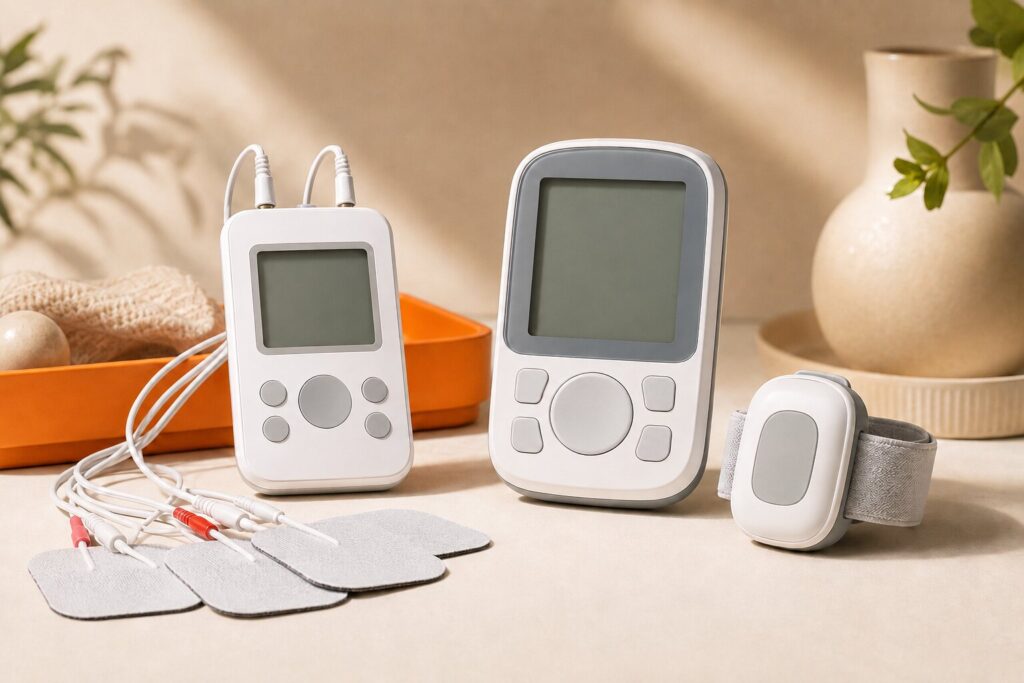
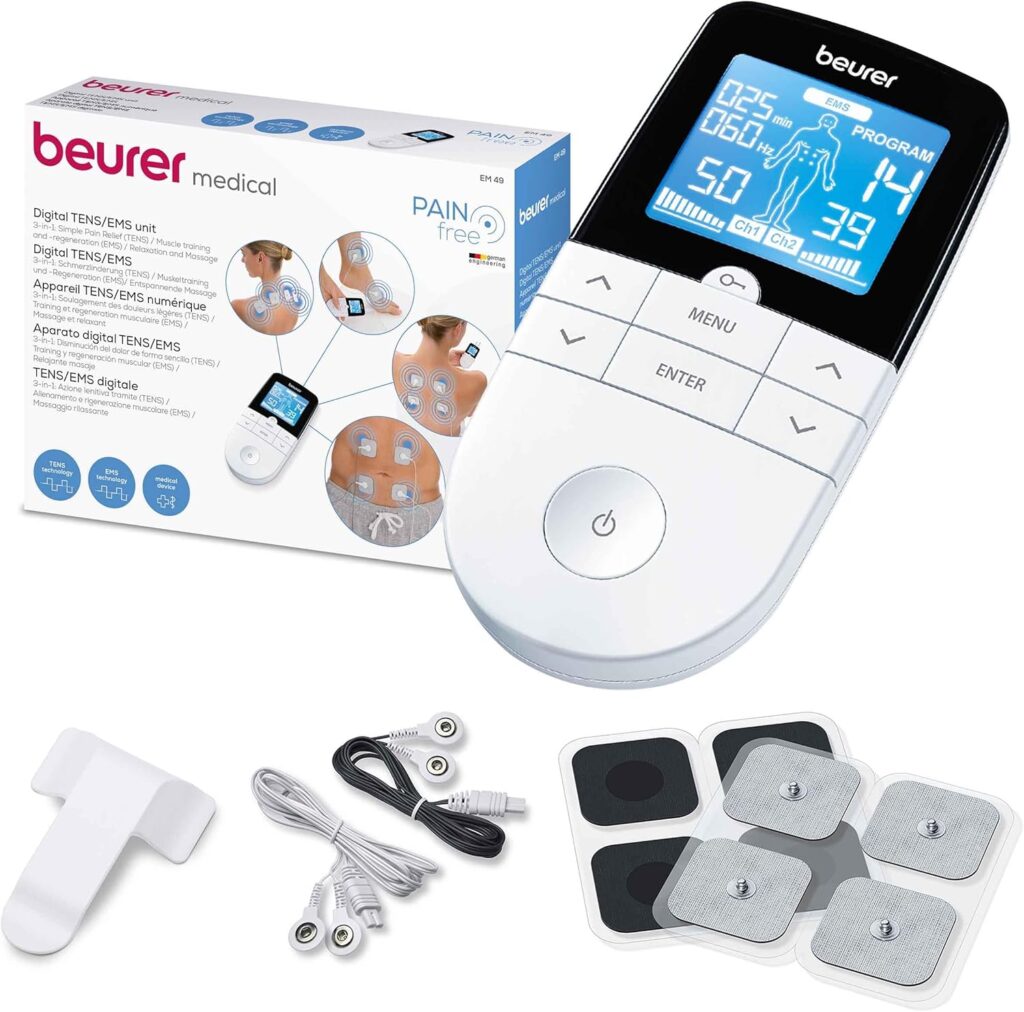
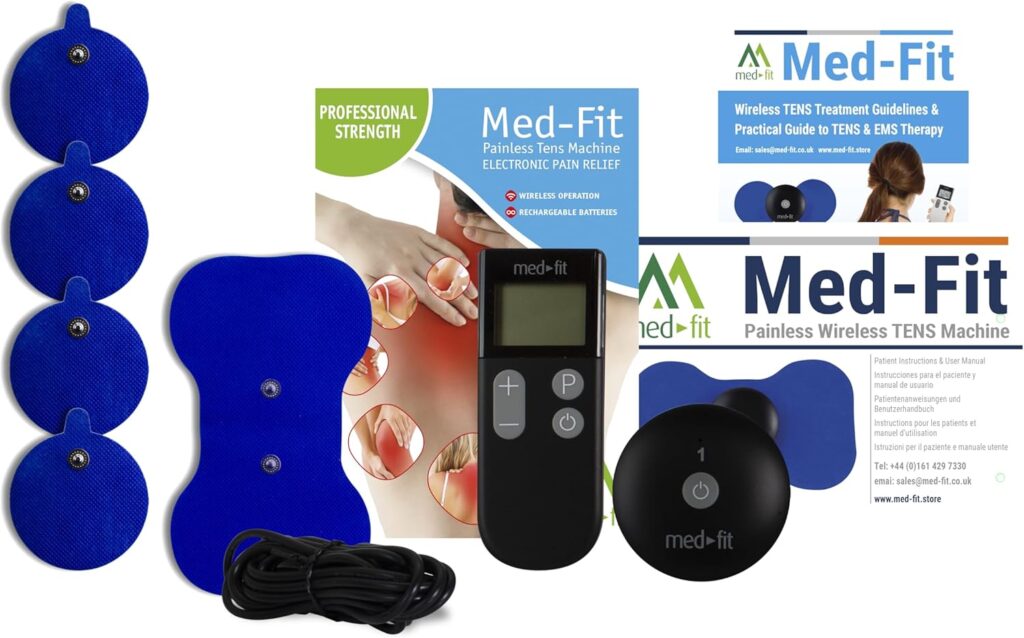
Three products are compared here, all drawn from Amazon UK’s Best Sellers in Muscle & Nerve Stimulators: a dual-channel wired unit supplied with spare pads, a combined TENS and EMS device that also runs massage programmes, and a wireless unit that works without leads. Each suits a different pattern of use — treating two areas at once at home, combining pain relief with rehabilitation work, and wearing a unit discreetly while moving around.
How we tested & chose
Distributing Care shortlisted these three from the top ten of Amazon UK’s Best Sellers in Muscle & Nerve Stimulators — a list ranked by units sold rather than by search relevance or advertising. Channel counts, programme counts and supplied accessories were taken from the live listings on 29 August 2026. Accessories such as replacement pads and conductive gel were excluded so that all three entries are complete devices, and the guidance below reflects NICE guidelines NG59 and NG193 together with published NHS advice on TENS.
What we weighed
Channels — how many areas can be treated at onceWhether it does TENS only, or EMS and massage as wellWired or wireless, and how the unit is carriedElectrode pads supplied, since pads are the recurring cost
Compiled by the Distributing Care editorial team from live listing data, NICE guidelines NG59 and NG193, and published NHS guidance. A TENS machine is a medical device with real contraindications — including pacemakers and other implanted electrical devices, epilepsy and pregnancy. Read the manual and check with a GP, pharmacist or physiotherapist before first use.
The picks, reviewed
No products have been added for United States yet.
Best Overall9.4/ 10 · Care Score
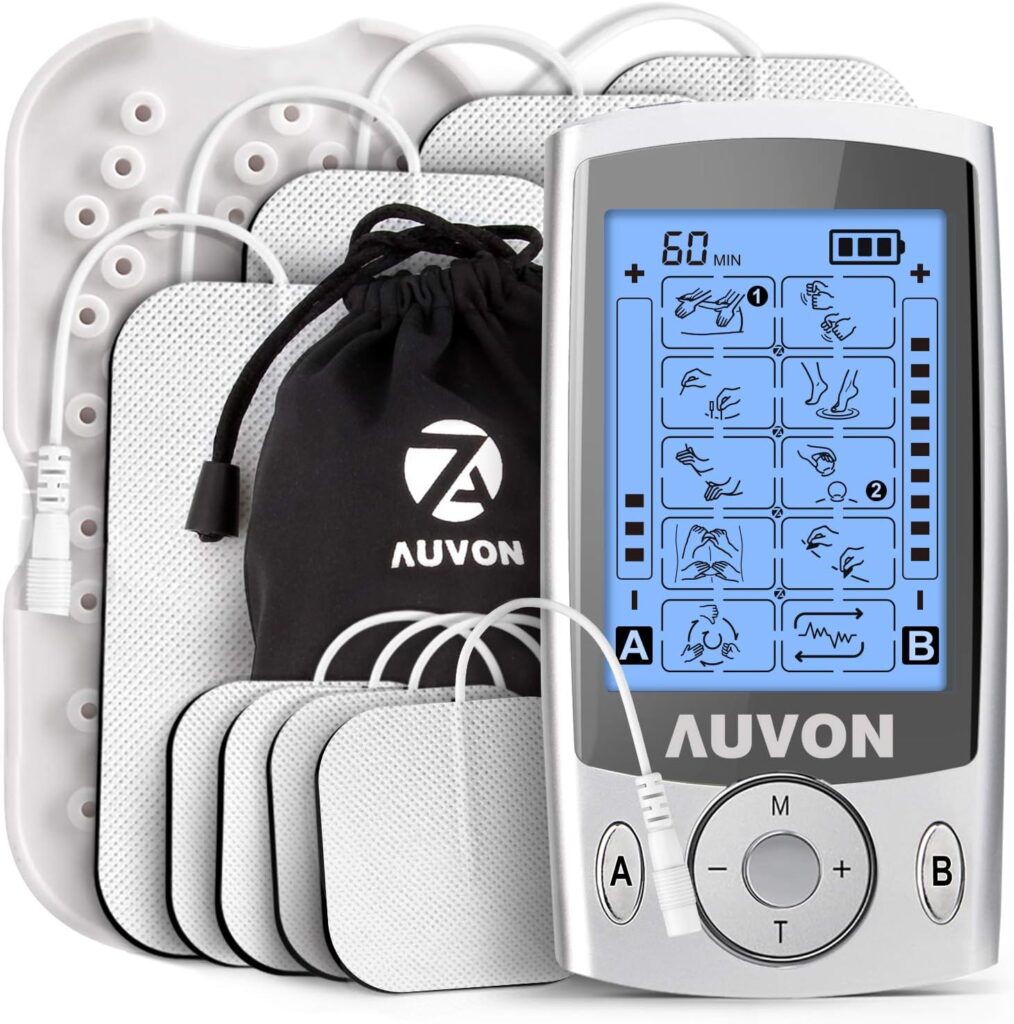
AUVON Dual Channel TENS Machine for Pain Relief, 8 Pcs TENS Pad Replacement
Rank 1 best seller: two independent channels and a set of spare pads in the box, which covers the recurring cost most buyers forget.
Rechargeable rather than running on disposable batteries
Cons
Treats one site at a time rather than two
Needs charging before use, unlike a battery unit
No products have been added for United Arab Emirates yet.
Frequently asked questions
Quick answers to what readers ask most about TENS machines.
What does a TENS machine actually do?
TENS stands for transcutaneous electrical nerve stimulation, and it sends small electrical pulses through sticky pads placed on the skin. The pulses produce a tingling sensation and are thought to work by interfering with the pain signals travelling to the brain and by prompting the body to release its own pain-relieving chemicals. It is a symptom-management device: it does not treat whatever is causing the pain, and it is not a substitute for a diagnosis.
Does TENS work for back pain?
The evidence is mixed, and UK clinical guidance is cautious. NICE guideline NG59 advises clinicians not to offer TENS for managing low back pain with or without sciatica, and NG193 gives the same advice for chronic primary pain. The NHS describes the evidence for TENS as not conclusive. Many people nevertheless report short-term relief from it, and because it is drug-free with few side effects it is often tried alongside — not instead of — exercise and other treatment.
Who should not use a TENS machine?
Several groups should get medical advice before using TENS at all. That includes anyone with a pacemaker, implanted defibrillator or other implanted electrical device, anyone with epilepsy or a heart condition, and anyone who is pregnant — unless a midwife has advised a labour TENS unit specifically. Pads should never be placed over the front of the neck, the eyes, broken or numb skin, or an area of unexplained swelling, and TENS should not be used in the bath or shower, while driving, or while operating machinery.
What is the difference between TENS and EMS?
TENS targets nerves to manage pain; EMS targets muscle to make it contract. Electrical muscle stimulation is used in rehabilitation to work a muscle that is difficult to activate voluntarily, for example after an injury or a period of immobility, and the sensation is a visible twitch rather than a tingle. Combined units run both modes from one device, which suits someone doing rehabilitation work as well as managing pain, but a TENS-only unit is simpler if pain relief is all you need.
How long can a TENS session last?
Follow the instructions supplied with your device, because recommended session lengths differ between models. As general practice, pads are repositioned slightly between sessions to reduce skin irritation, and the unit is switched off and removed before sleeping, bathing or driving. If the skin under a pad becomes red or sore, stop using that site and let it recover; if the sensation becomes painful rather than a comfortable tingle, turn the intensity down rather than pushing through it.
Some links above are affiliate links. As an Amazon Associate we earn from qualifying purchases, at no extra cost to you. Links go to Amazon.com. Prices are illustrative — check the current price before buying.
Medical disclaimer. This guide is for general information only and is not medical advice. It is not intended to diagnose, treat, cure or prevent any condition. Always speak to a qualified healthcare professional before starting any new product, especially if you have an existing condition or take medication.