We'll tailor buying guides and product links to your country. You can change this anytime from the top bar.
Diagnostics & Testing · Buying guide
Best Thermometers for Accurate Home Temperature Checks in 2026
Ear, stick and non-contact infrared thermometers compared on measurement site, reading speed and the ages each method suits — to help you choose the right one for your household.
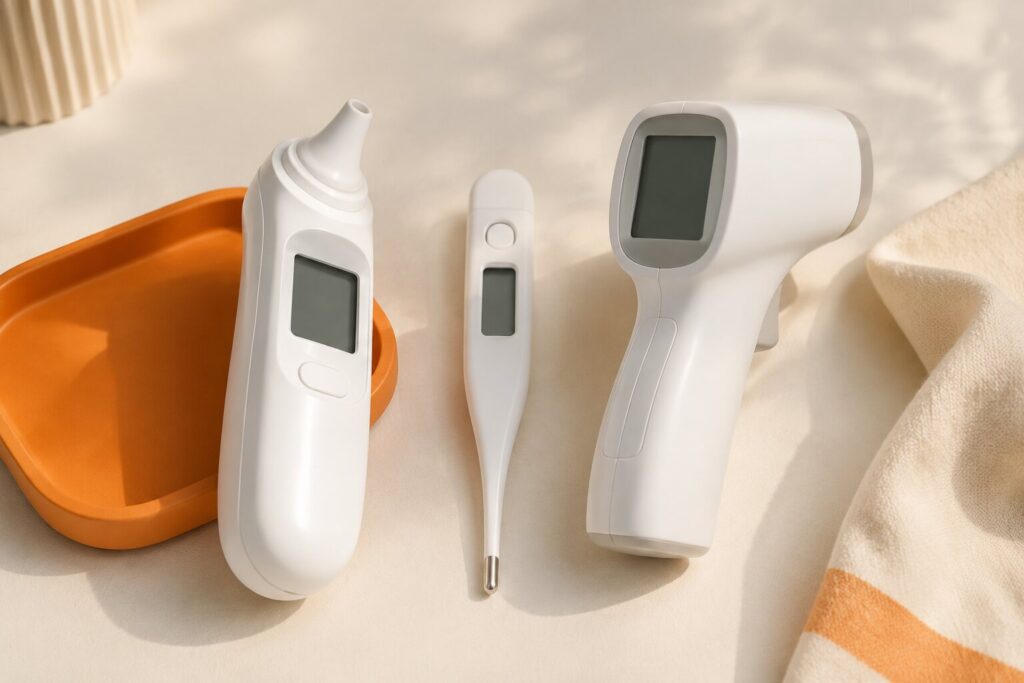
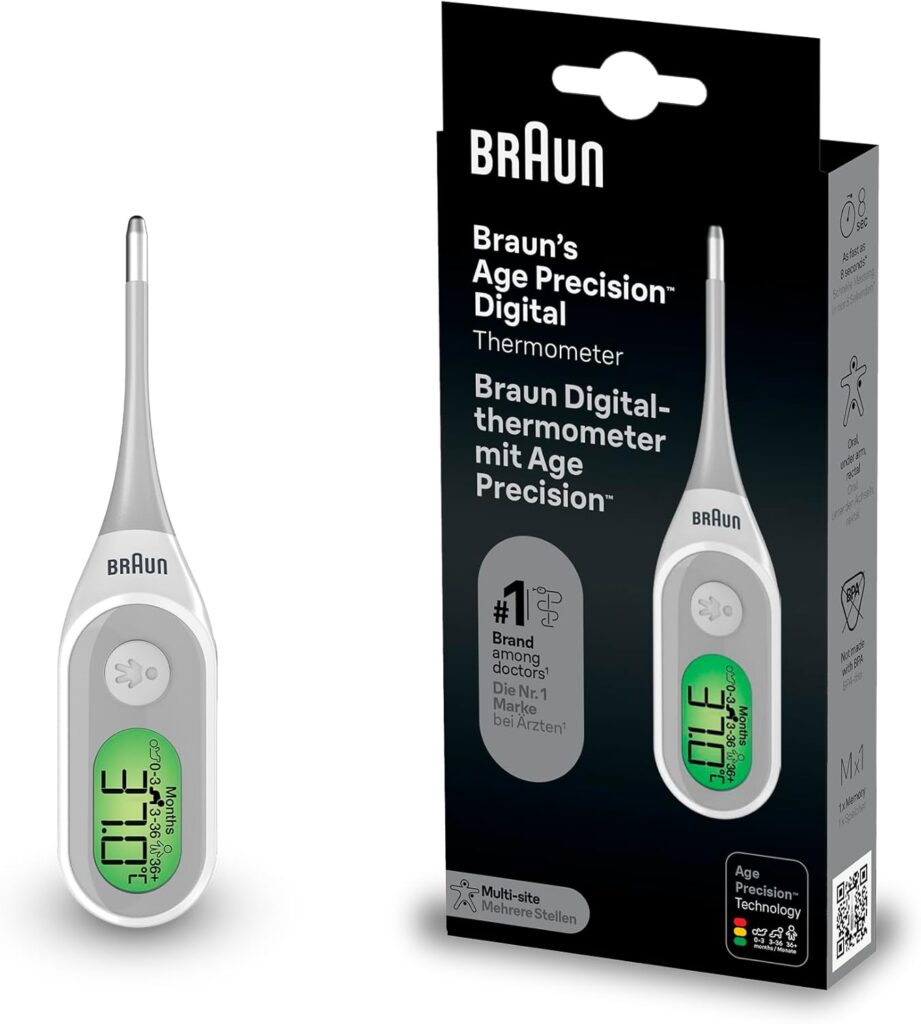
Choosing a thermometer is really a choice about where you take the reading, because measurement site matters more than brand. An ear (tympanic) thermometer reads the eardrum in about a second, a digital stick reads under the arm, in the mouth or rectally, and a non-contact infrared device reads the skin of the forehead from a short distance. Each suits a different age and a different situation, and no single device is right for every member of a household.
Distributing Care compared the three formats on measurement site, reading speed, the ages each method is recommended for, and the running cost of any consumables. The shortlist below is drawn from Amazon UK’s Best Sellers in Thermometers & Accessories, and each pick represents one of the three formats rather than three versions of the same thing.
How we tested & chose
Distributing Care built this shortlist from Amazon UK’s Best Sellers in Thermometers & Accessories, taking the top ten by units sold and keeping only complete thermometers — probe caps and refill packs were excluded because they are consumables rather than devices. Specifications were checked against each manufacturer’s listing, and the age guidance was checked against NHS advice on fever and NICE guideline NG143 on feverish illness in children under five.
What we weighed
Measurement site and the ages it suitsReading speed and ease of use on a distressed childConsumables required, such as disposable probe capsClarity of the display and any fever indicator
A thermometer measures temperature; it does not diagnose the cause of a fever. If you are worried about a temperature — particularly in a baby, an older adult or anyone with a weakened immune system — contact NHS 111 or your GP. Call 999 for a child who is difficult to wake, has a rash that does not fade under pressure, or is struggling to breathe.
The picks, reviewed
No products have been added for United States yet.
Best Overall9.4/ 10 · Care Score
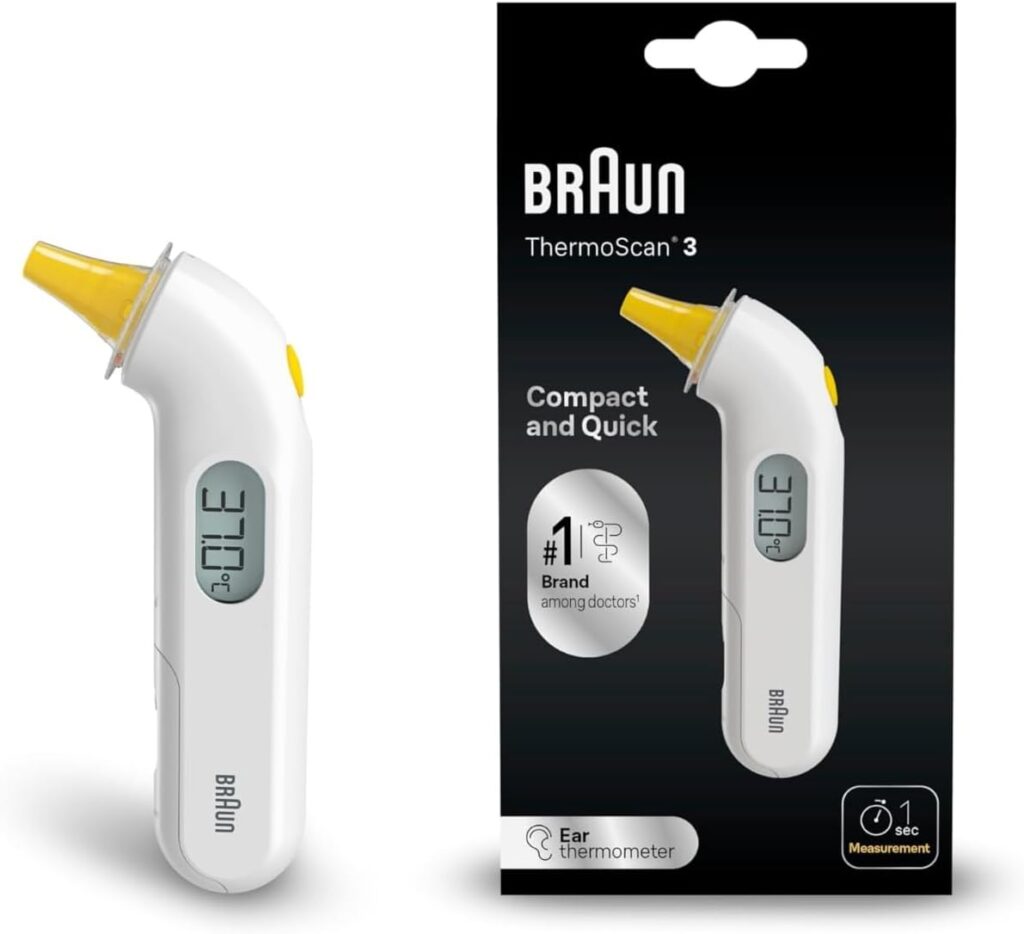
Braun ThermoScan 3 Ear thermometer | #1 Brand among doctors1
Rank 1 best seller in the category: a one-second tympanic reading, which is the fastest way to check a restless child.
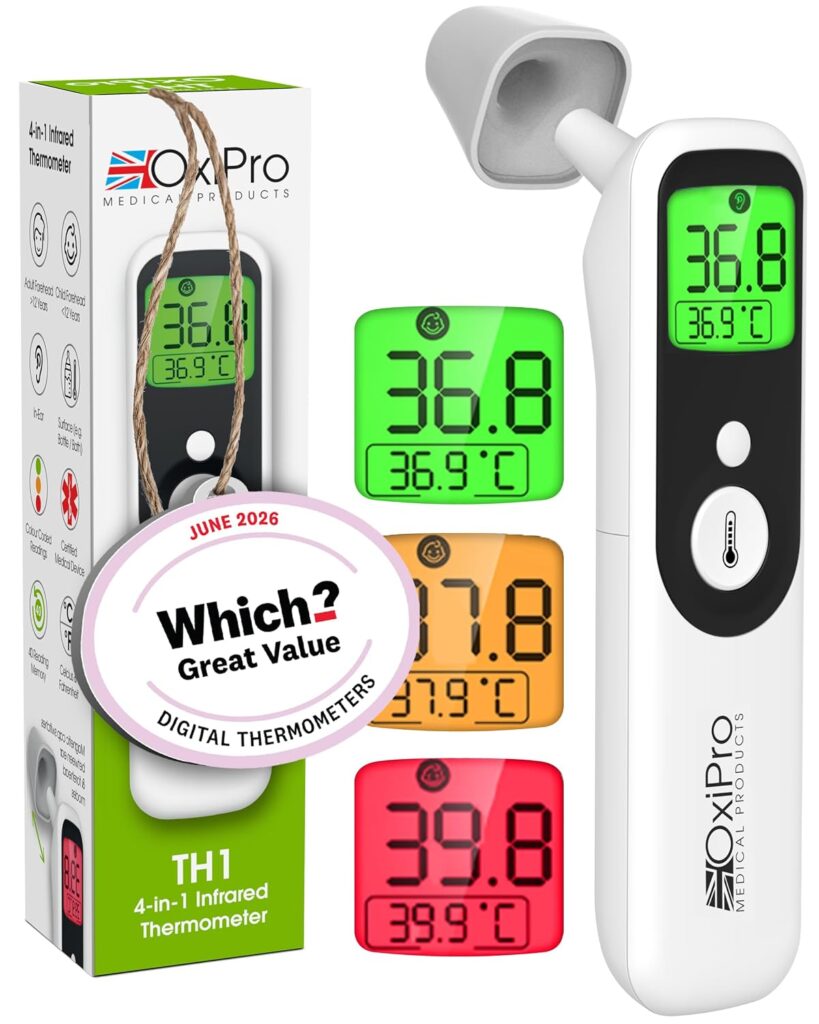
No-touch mode takes a reading without disturbing a sleeping child
Four modes in one device covers a whole household
Cons
Forehead readings are affected by draughts, sweat and recent time outdoors
Infrared forehead measurement is not among the methods NICE NG143 lists for under-fives
No products have been added for United Arab Emirates yet.
Frequently asked questions
Quick answers to what readers ask most about home thermometers.
What counts as a fever?
The NHS describes a normal body temperature as around 37°C and treats 38°C or above as a high temperature. That threshold is a guide rather than a hard line: normal temperature varies between people and across the day, and it is usually lower first thing in the morning. How a person looks and behaves matters as much as the number on the display.
Which thermometer is most accurate for a baby?
For a baby under four weeks old, NICE guideline NG143 recommends measuring temperature with an electronic thermometer in the armpit. From four weeks to five years, NG143 lists an electronic thermometer in the armpit, a chemical dot thermometer in the armpit, or an infrared tympanic (ear) thermometer as suitable methods. The same guideline advises against forehead chemical thermometers because they are unreliable.
When should I contact a doctor about a temperature?
Seek urgent medical advice for any baby under three months with a temperature of 38°C or above, and for a baby aged three to six months with a temperature of 39°C or above. At any age, contact NHS 111 or your GP if a high temperature lasts more than three days, does not come down, or is accompanied by symptoms that worry you. Call 999 for a rash that does not fade when a glass is pressed against it, difficulty breathing, or someone who is unusually difficult to wake.
Do ear thermometers need a new probe cover every time?
Yes — a fresh disposable probe cover should be used for every reading on an ear thermometer. The cover keeps the lens clean and stops the device passing anything between users, which matters most when one thermometer is shared across a household or a care setting. It also affects the reading: a smeared or reused lens can under-read. Probe caps are a recurring consumable, so factor them in alongside the device itself.
Why do two thermometers give different readings?
Different measurement sites genuinely read differently, so a gap between two devices is usually expected rather than a fault. Armpit readings tend to run lower than oral or ear readings for the same person at the same moment, and non-contact forehead readings are affected by draughts, sweat, a hat, or having just come in from outdoors. The practical advice is to use one device and one site consistently, so you are comparing like with like when you track a temperature over a day.
Some links above are affiliate links. As an Amazon Associate we earn from qualifying purchases, at no extra cost to you. Links go to Amazon.com. Prices are illustrative — check the current price before buying.
Medical disclaimer. This guide is for general information only and is not medical advice. It is not intended to diagnose, treat, cure or prevent any condition. Always speak to a qualified healthcare professional before starting any new product, especially if you have an existing condition or take medication.