We'll tailor buying guides and product links to your country. You can change this anytime from the top bar.
Natural & Alternative Health · Buying guide
Best Turmeric Supplements for Everyday Use in 2026
High-strength tablets, organic capsules and whole root powder compared on form, stated strength and curcuminoid content — to help you choose the right kind of turmeric for how you will actually take it.
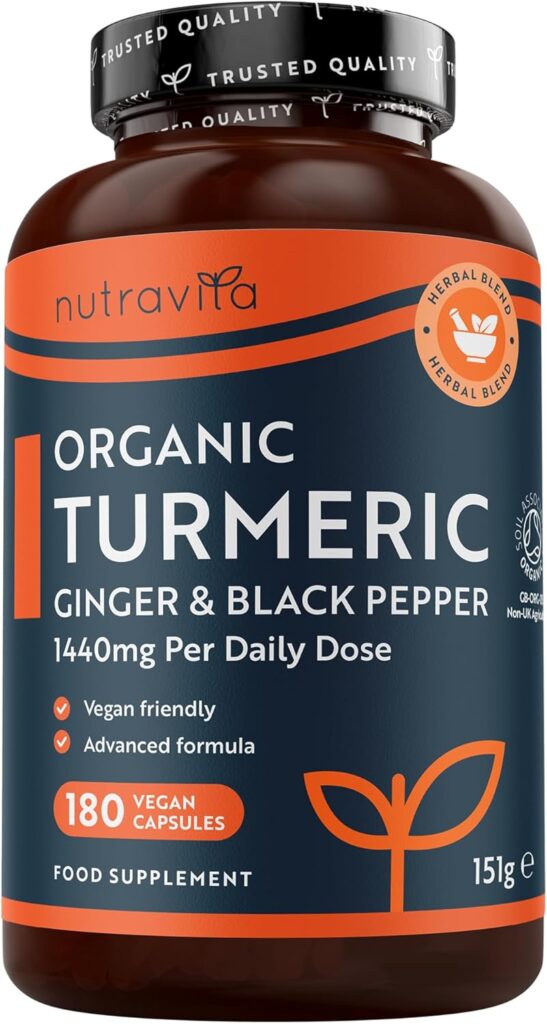
Turmeric supplements differ far more than the shelf suggests, and the milligram figure on the front of the pack is the least useful thing printed on it. Distributing Care compared the best-selling turmeric products in the UK and found three genuinely different products sold under one name: high-strength tablets, organic capsules and culinary whole root powder, with curcuminoid content ranging from a few per cent to concentrated extracts.
The three products below are compared on form, stated strength per serving, curcuminoid content and what else is in the formula. Every pick came from the top ten of a single Amazon UK Best Sellers category, and each card carries its rank. Turmeric is sold in the UK as a food supplement rather than as a medicine, so this article describes what the products contain rather than what they might do.
How we tested & chose
The shortlist came from the top ten of Amazon UK’s Best Sellers in Turmeric, a list ranked by units sold rather than by search relevance or advertising spend. Distributing Care read each listing directly on 29 August 2026 to confirm form, stated strength, curcuminoid content and whether black pepper and ginger are included, then set aside near-identical tablet listings so the three picks represent three different ways of taking turmeric.
What we weighed
Form — tablet, capsule or loose powderStated strength per serving and curcuminoid contentWhether black pepper and ginger are includedRank held in the Turmeric Best Sellers list
Turmeric supplements are regulated in the UK as food, not as medicines: they are not licensed by the MHRA to treat, prevent or cure anything, and Distributing Care makes no medical claims for them. Speak to a GP or pharmacist before starting one if you take prescription medicines, have gallstones, are pregnant or breastfeeding, or have surgery planned.
The picks, reviewed
No products have been added for United States yet.
Best Overall9.4/ 10 · Care Score
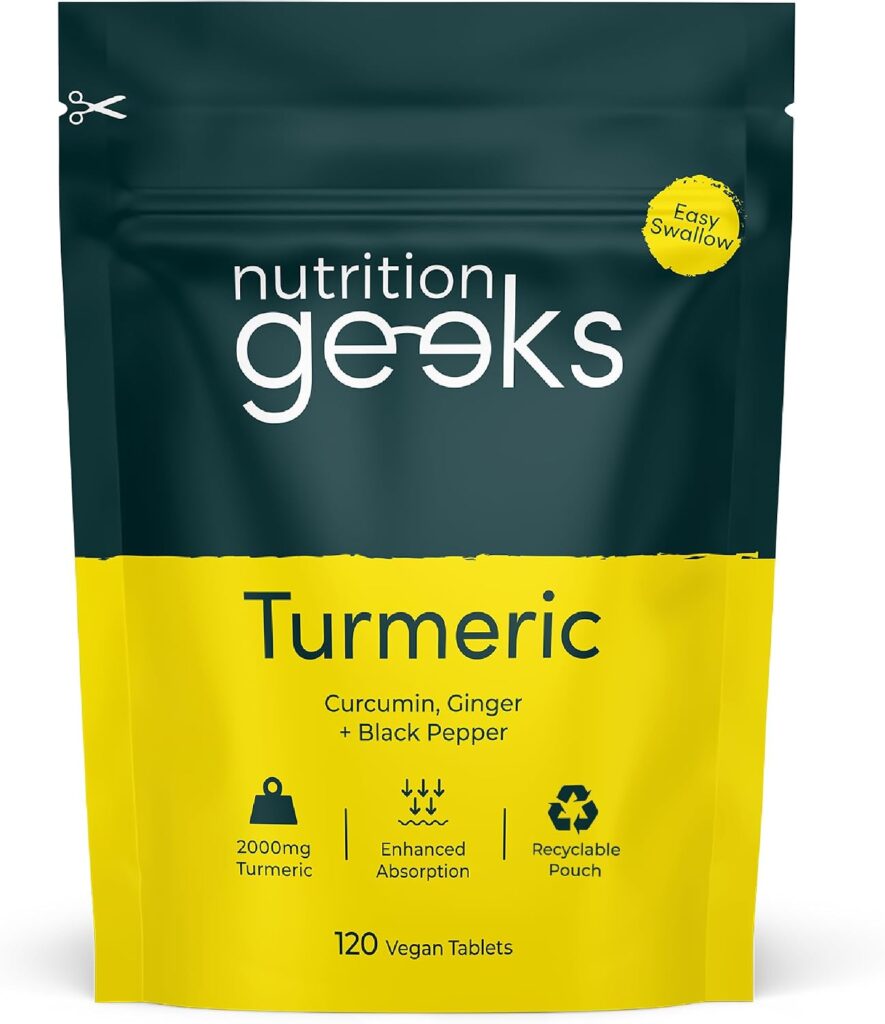
Turmeric Tablets 2000mg with Black Pepper & Ginger - 120 High Strength Curcumin Supplements - Easy Swallow Tablets (Not Turmeric Capsules or Powder) - Vegan - UK Made
Rank 1 best seller: high-strength tablets with black pepper and ginger already in the formula.
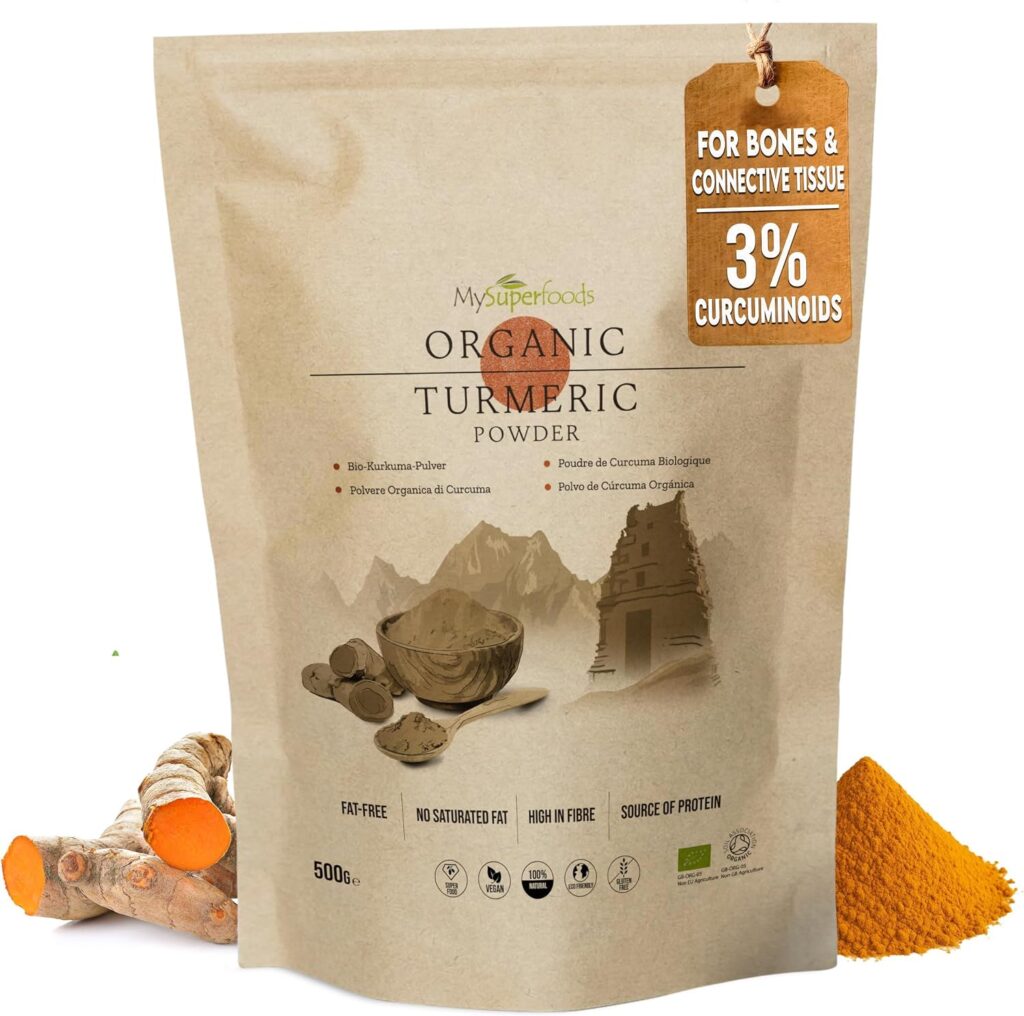
Rank 10 best seller and the only powder in the top ten
Whole root and organic, per the listing
500 g goes a long way in cooking and drinks
Cons
3 per cent curcuminoids is far below the standardised extracts used in tablets
No black pepper included, so you would add your own
No products have been added for United Arab Emirates yet.
Frequently asked questions
Quick answers to what readers ask most about turmeric supplements.
Why do turmeric supplements contain black pepper?
Manufacturers add black pepper for piperine, the compound widely reported to improve how much curcumin the body absorbs. Curcumin on its own is poorly absorbed from the gut, which is why almost every product in the Best Sellers top ten pairs turmeric with black pepper, ginger, or both.
Is turmeric powder from the spice aisle the same as a turmeric supplement?
No. Whole root culinary powder is typically around 3 per cent curcuminoids, while supplement tablets and capsules use concentrated extracts standardised to far higher percentages. The powder is the better choice for cooking and drinks; the extracts deliver considerably more curcumin per serving.
How much turmeric is it sensible to take in a day?
Follow the dose printed on the pack and do not exceed it. For context, the European Food Safety Authority has set an acceptable daily intake for curcumin of 3 mg per kilogram of body weight per day, which works out at about 210 mg for a 70 kg adult — though that figure was set for curcumin used as a food colour rather than for supplement dosing. A pharmacist can advise on your own situation.
Who should avoid turmeric supplements?
Speak to a GP or pharmacist first if you take anticoagulant or antiplatelet medicines, have gallstones or a bile duct obstruction, are pregnant or breastfeeding, or have surgery planned. Concentrated extracts are considerably stronger than turmeric used in cooking, so interactions are a genuine consideration rather than a formality.
Are turmeric supplements regulated in the UK?
They are regulated as food rather than as medicines. The MHRA does not license them, and no health claim for curcumin is currently authorised on the Great Britain nutrition and health claims register, which is why a compliant listing describes what the product contains rather than promising a result.
Some links above are affiliate links. As an Amazon Associate we earn from qualifying purchases, at no extra cost to you. Links go to Amazon.com. Prices are illustrative — check the current price before buying.
Medical disclaimer. This guide is for general information only and is not medical advice. It is not intended to diagnose, treat, cure or prevent any condition. Always speak to a qualified healthcare professional before starting any new product, especially if you have an existing condition or take medication.